North Martinique vs South Martinique: Where to Stay?
Martinique is 65 kilometers long and 30 kilometers wide—small enough that most tourists assume it doesn't matter where you stay. That assumption costs them days of unnecessary driving and sometimes the entire mood of their trip. The north and south of this island are dramatically, genuinely different places: different landscapes, different beaches, different climates, different food cultures, different accommodation character, and a different relationship with tourism altogether. Choosing the wrong base for your travel style doesn't ruin a Martinique trip—but choosing the right one transforms it.
Here is the honest, complete comparison.
The Core Difference
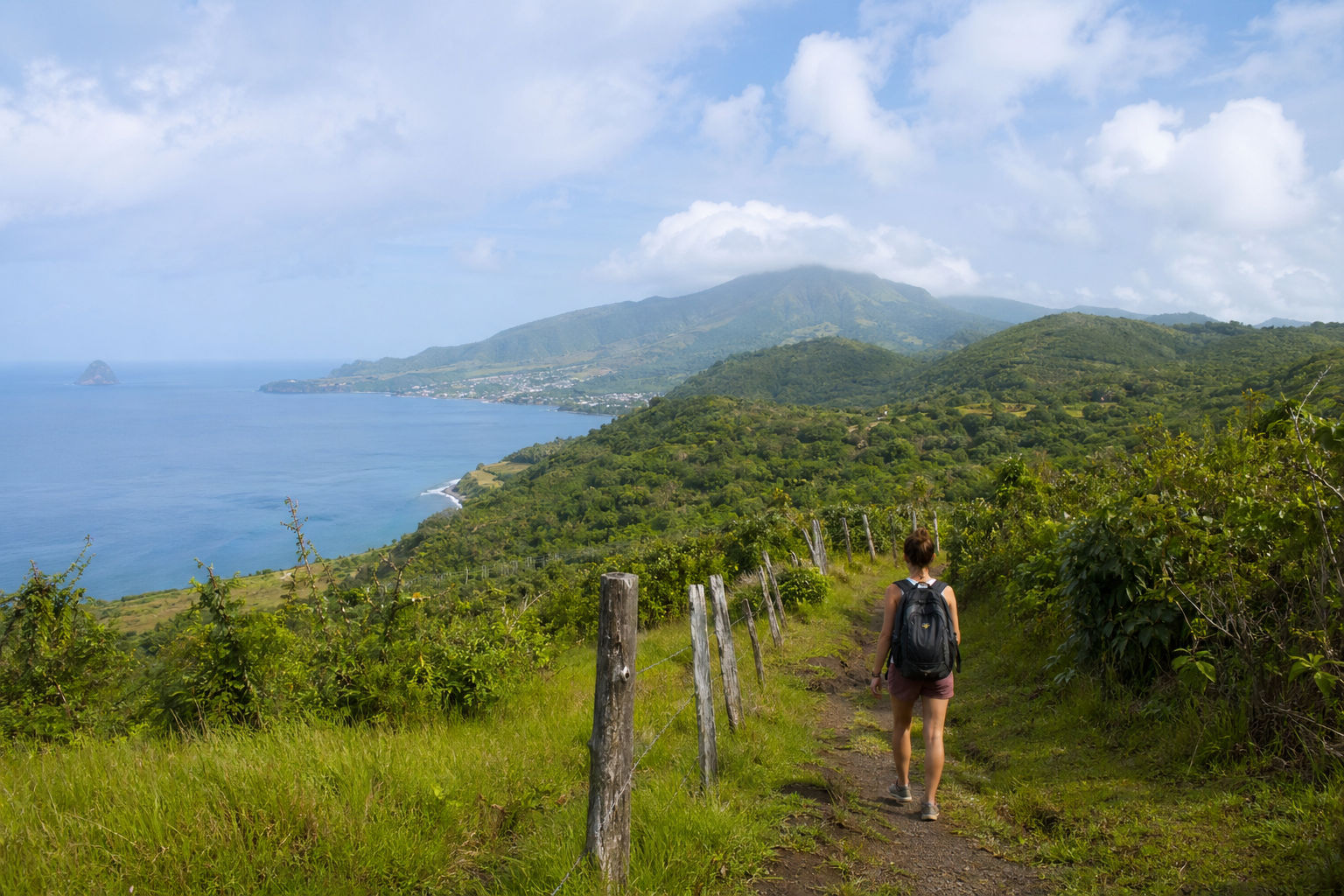
North Martinique is volcanic, mountainous, deeply forested, and culturally rooted in traditional Creole life. It has black sand beaches, active rum distilleries on volcanic slopes, the ruins of a city killed by a pyroclastic flow, UNESCO rainforest, waterfalls, gorges, and the most dramatically beautiful and genuinely wild coastal scenery in the entire Caribbean. The infrastructure is thinner, the crowds are smaller, and the experience is more challenging and more rewarding in equal measure.
"The north and south of this island are dramatically, genuinely different places."
South Martinique is the Caribbean most people imagine when they picture the French Antilles—turquoise water, white sand beaches, palm trees, resort hotels, beach clubs, sailing marinas, and sunshine almost every day. It is significantly more developed, considerably more touristed, and dramatically easier to navigate as a first-time visitor. It is also, by the assessment of most people who return to Martinique a second time, the less interesting half of the island.
Two Different Islands
The North
The north of Martinique is shaped entirely by Mount Pelée—the active volcano whose 1,952-meter peak dominates the northern third of the island and whose 1902 eruption defined the island's history and the entire science of volcanology. The landscape radiates from that peak in every direction: dense tropical rainforest covering the volcanic slopes, rivers running through jungle gorges, black sand beaches formed from volcanic rock ground to powder by the sea, and coastal cliffs dropping directly into the Caribbean.
"The Route de la Trace passes through one of the most spectacular stretches of tropical landscape in the Caribbean."
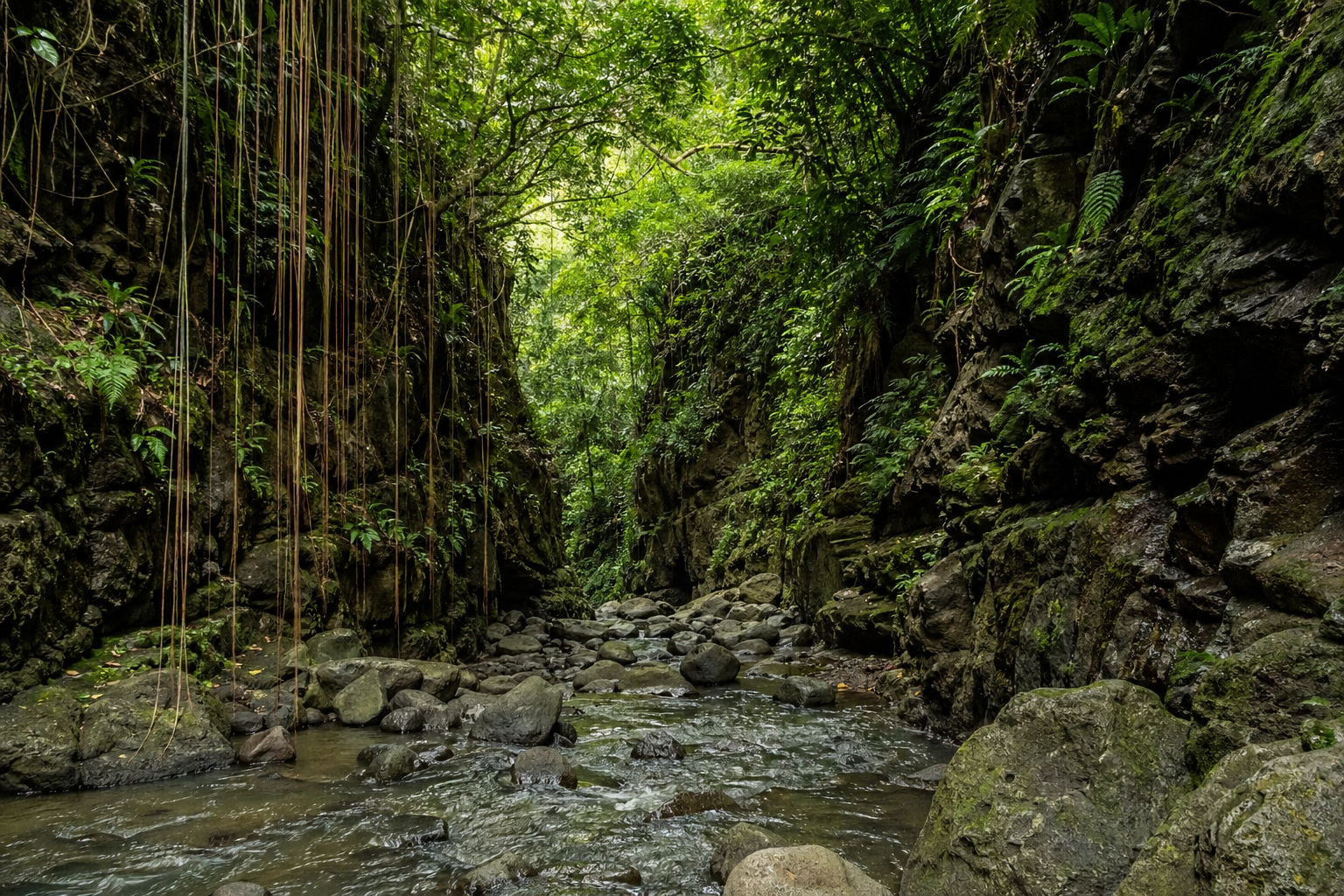
The Route de la Trace—the N3 mountain road running from Fort-de-France through the Pitons du Carbet to the north—passes through one of the most spectacular stretches of tropical landscape in the Caribbean. Tree ferns taller than houses lean over the road. Rivers cross under the tarmac every few kilometers. The air changes noticeably as you gain altitude—cooler, wetter, smelling of forest rather than sea.
The north receives significantly more rainfall than the south—a direct result of the volcanic mountains intercepting Atlantic moisture—which keeps the landscape permanently lush but means the north has more cloud and rain days than the south. In exchange: waterfalls running at full power, rivers full enough to wade, and a forest so green it looks edited.
The South
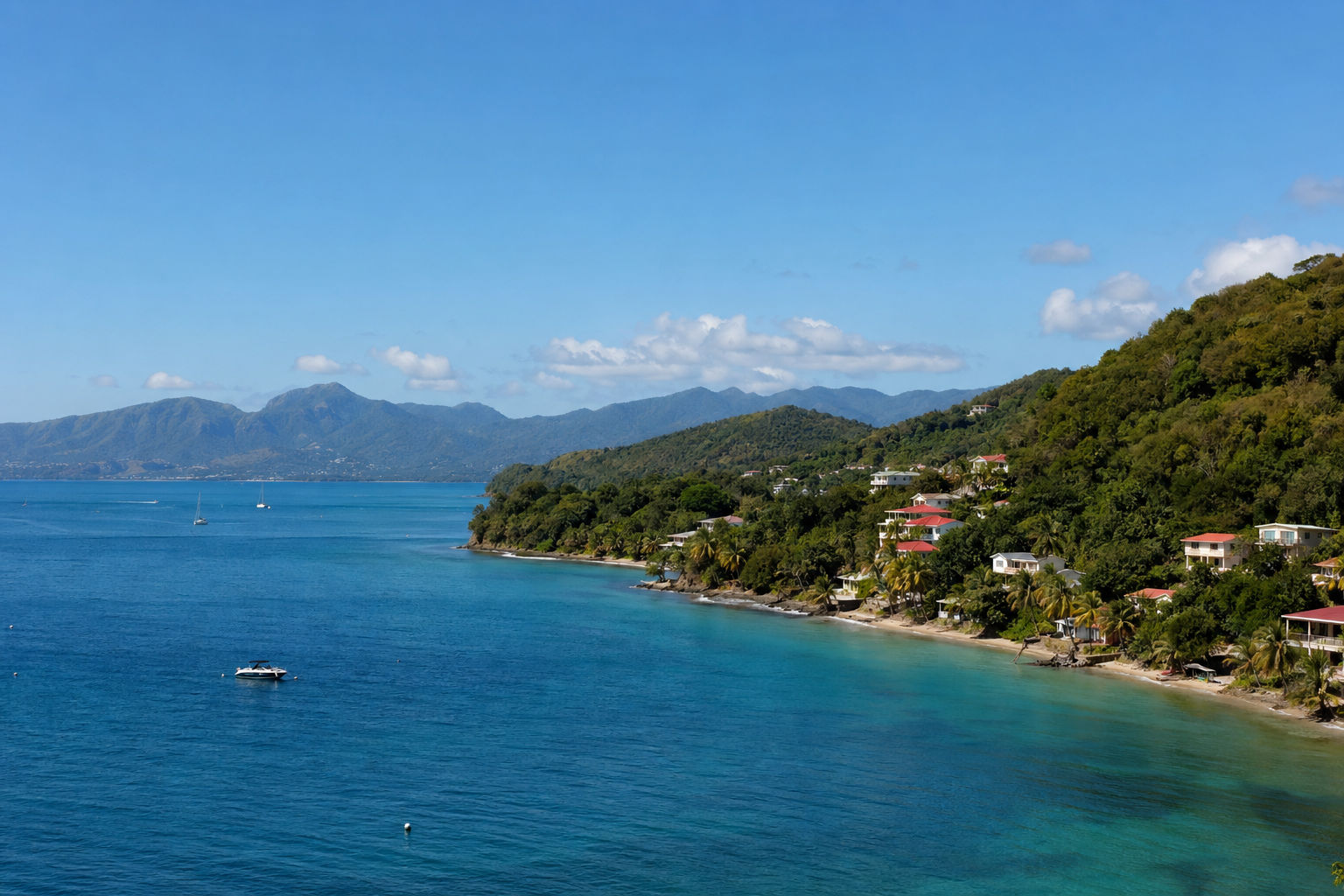
The south of Martinique is what wins travel magazine covers and fills Instagram accounts. The coastline from Anses d'Arlet around Diamond Rock to Les Salines and Sainte-Anne is an almost continuous stretch of turquoise water, powder sand, and swaying palms that is genuinely, unarguably beautiful. The light is different in the south—drier, clearer, and with the strong Caribbean sunshine that gives the water its extraordinary color.
Diamond Rock, the 175-meter volcanic sea stack rising from the sea off the southwestern coast, is one of the most distinctive natural landmarks in the entire Caribbean. The beaches at Anse du Diamant, Anses d'Arlet, and Les Salines are consistently among the finest in the French Caribbean. The sailing marina at Le Marin is the yacht-charter hub of the eastern Caribbean. And the overall atmosphere in the south is relaxed, sun-drenched, and oriented toward the pleasures of sea and sand in a way that the more dramatic and demanding north is not.
Beaches: A Genuine Difference
The beach contrast between north and south is real and significant:
- North beaches:
- Black volcanic sand; dramatic but not conventionally "paradise" in character
- Stronger waves and Atlantic swell on the eastern coast; Caribbean coast calmer
- Anse Couleuvre and Anse Céron on the northern Caribbean coast are among the most beautiful wild beaches in Martinique—large, backed by forest, and largely undeveloped—but they require a long drive on narrow roads
- Smaller crowds; some beaches have no facilities at all
- Snorkeling is excellent in sheltered northern Caribbean coves
- South beaches:
- White or pale golden sand; turquoise water; the classic Caribbean beach experience
- Les Salines at the island's southern tip is universally considered Martinique's most beautiful beach—a 1.5-kilometer crescent of fine white sand lined with palm trees and clear water
- Anses d'Arlet village beach has the famous church-by-the-sea setting and is one of the most photogenic spots in the whole Caribbean
- Better infrastructure—toilets, beach bars, equipment rental; more facilities across the board
- More crowded from December through April; arrive early for the best experience
The honest verdict on beaches: If white sand and turquoise water are your priority, the south wins entirely. If you're drawn to dramatic, wild, uncrowded coastline with a genuinely volcanic character, several northern beaches are extraordinary—but require acceptance that they look nothing like a Caribbean postcard.
Distilleries: Surprisingly Spread Across Both
A common assumption is that all of Martinique's rum distilleries are in one region. In reality, the major distilleries are divided across both north and south:
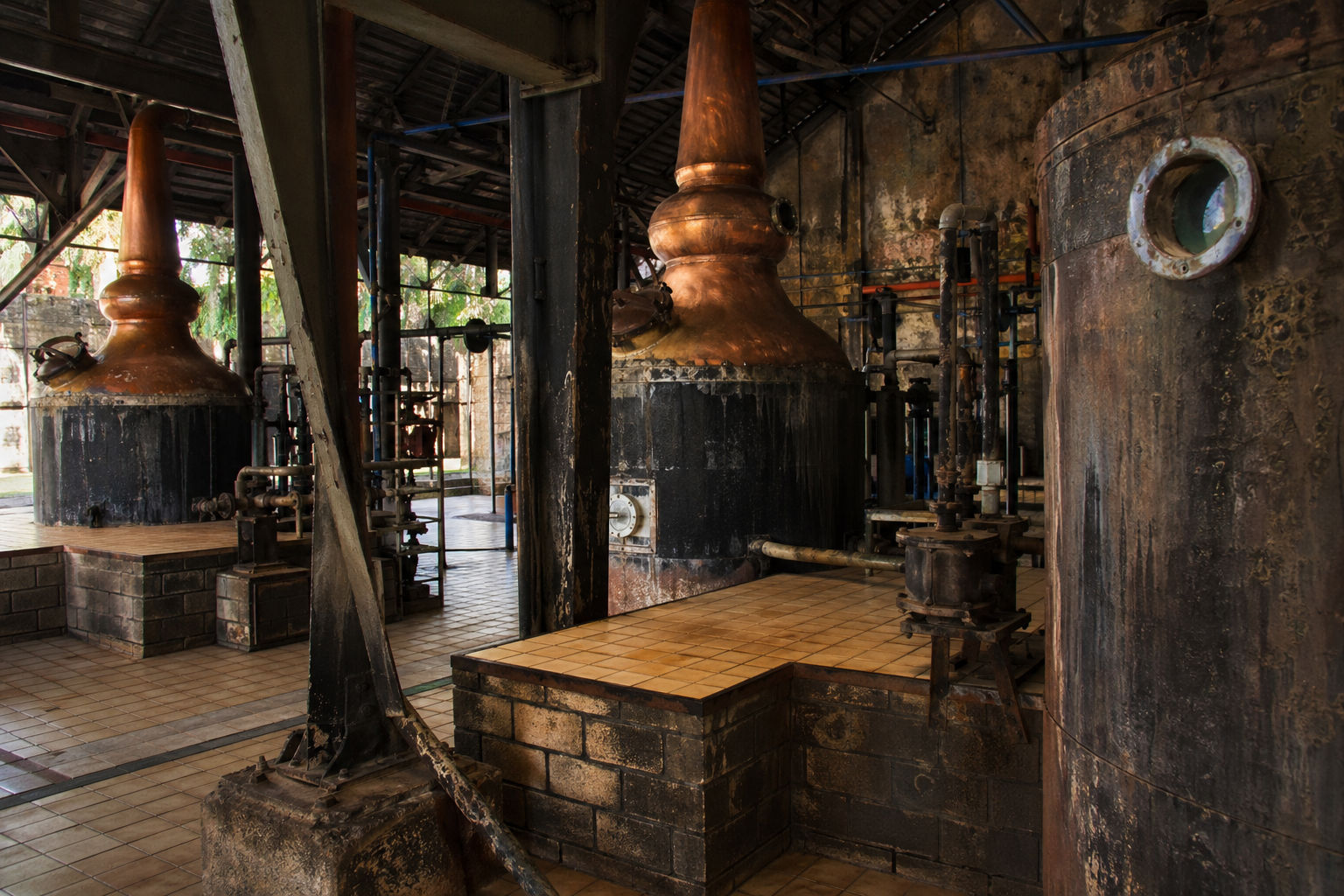
- North/Central: J.M (far north, near Macouba), Neisson (Le Carbet), Depaz (Saint-Pierre slopes), Saint James (Sainte-Marie), La Favorite (Fort-de-France hills)
- South/Central: Habitation Clément (Le François), HSE (Le Gros Morne), Trois-Rivières and La Mauny (Rivière-Pilote)
This matters for basing decisions: if the distilleries are your primary reason for visiting, a central base around Fort-de-France or Les Trois-Îlets gives you the most efficient access to both northern and southern estates.
Culture and Food: The North's Strongest Argument
The food and cultural experience of the north is consistently described by repeat Martinique visitors as deeper and more authentic than the south:
- Village restaurants in the north—particularly around Basse-Pointe, Macouba, Ajoupa-Bouillon, and Sainte-Marie—serve traditional Creole cooking from family kitchens where the menu changes daily, the colombo is made with the same spice blend the family has used for three generations, and the rum you're offered before the meal is from the bottle that's been sitting on the counter since last week
- Fort-de-France's Grande Marché is the gastronomic center of the island and technically equidistant from both halves but most naturally serves as a northern circuit starting point
- The north's traditional festivals, bèlè music traditions, and village-scale life are less disrupted by mass tourism than the south's resort towns
- Saint-Pierre—the most historically significant town in Martinique—is a northern city and best experienced as a multi-hour destination rather than a day trip from a southern base
The south is not lacking in excellent Creole food—Anses d'Arlet's harbor restaurants serve some of the finest grilled fish on the island—but the restaurant culture of the south tilts more toward tourist-facing menus and international options alongside the Creole classics.
Climate: South Wins for Guaranteed Sun
This is the most straightforward advantage for the south:
- The south is noticeably drier, sunnier, and more predictable for beach days year-round
- The north's mountain topography causes orographic rainfall—moisture-laden Atlantic air hits the volcanic peaks and drops rain on the windward and mountain slopes, keeping the forest green but creating more cloud days and afternoon showers
- In high season (December through April), the difference is less dramatic—both north and south have predominantly sunny weather—but the south consistently logs more sunshine hours
- In the wet season (July through November), the difference is more significant; the north can have several consecutive overcast days while the south remains largely sunny
If your trip is short (five to seven days), weather predictability argues for a southern base with day trips north.
Accommodation: Infrastructure and Price
- South Martinique accommodation:
- The widest range of accommodation at every price point: international resort hotels, boutique beachfront properties, self-catering villas, and budget guesthouses all concentrated in Les Trois-Îlets, Le Diamant, Sainte-Luce, and Sainte-Anne
- Most well-developed tourist infrastructure: shops, pharmacies, car rental drops, restaurants, and tour booking offices all within easy reach
- Airport access: Aimé Césaire International Airport is in Le Lamentin, 20-25 minutes from Les Trois-Îlets by car
- Higher prices in peak season at beachfront properties; still significantly cheaper than equivalent Caribbean resort islands
- North Martinique accommodation:
- Smaller guesthouses, eco-lodges, and Creole family-run gîtes dominate; full resort hotels are rare
- Fewer international booking platform listings; some of the best properties are bookable only through direct contact or French-language platforms
- Meaningfully cheaper than equivalent south accommodation in most categories
- Less convenience infrastructure—grocery shopping, car repair, pharmacy access requires more forward planning
- Saint-Pierre, Le Carbet, and Sainte-Marie have the best concentration of northern accommodation options
Who Should Base in the North
You'll get more out of a northern base if:
- Mount Pelée and the volcanic landscape are a primary reason for your trip
- You're staying seven or more nights and want genuine local immersion
- White sand beaches are not your priority; you're drawn to wild, dramatic coastline
- You want to wake up at 6am for summit hikes without a 90-minute drive first
- You're a rum enthusiast and want to stay close to J.M and Neisson
- You're traveling off-season and want the quietest, most atmospheric experience of the island
- You want authentic village Creole cooking rather than tourist-oriented restaurant menus
Best northern base towns:
- Saint-Pierre—the most historically significant and most atmospheric town for an overnight stay; small guesthouses within walking distance of the ruins and Depaz Distillery; best for 1-2 nights as part of a full-island circuit
- Le Carbet—a quieter fishing village between Fort-de-France and Saint-Pierre; close to Neisson Distillery and the Carbet waterfalls; the right balance of local life and basic infrastructure for a longer northern stay
- Sainte-Marie—on the northern Atlantic coast; calm, local, and within easy reach of the Caravelle Peninsula, Saint James distillery, and the Dubuc ruins; the least touristic of the northern bases with the most authentic local character
Who Should Base in the South
A southern base is the right choice if:
- White sand beaches and turquoise water are your primary reason for visiting
- You're visiting for a shorter stay (five to seven days) and want the most efficient access to highlights
- You're traveling with children or non-adventurous companions who want reliable beach days
- You want maximum accommodation choice, predictable weather, and easy logistics
- You prefer resort-style amenities—beach clubs, pool bars, sailing excursions
- Nightlife, restaurants, and a more social atmosphere matter to you
Best southern base towns:
- Les Trois-Îlets—the most popular base for tourists combining beach relaxation with day trips north; a small, charming village across the bay from Fort-de-France (ferry connection takes 20 minutes), with beaches, restaurants, water sports, and the best mid-range accommodation concentration on the island
- Sainte-Anne—the most beautifully positioned southern town, close to Les Salines beach and the Presqu'île de la Caravelle; quieter than Les Trois-Îlets with a more village character; best for travelers who want beach proximity without resort bustle
- Le Diamant—faces Diamond Rock directly across the bay; excellent seafood restaurants on the waterfront; more relaxed and less developed than Les Trois-Îlets; particularly beautiful at sunset
The Smartest Strategy: Split Your Stay
Martinique is small enough that splitting a week between north and south—rather than committing entirely to one base—is entirely practical and often delivers the best overall experience:
- For a 7-night trip:
- Nights 1-2: Northern base (Saint-Pierre or Le Carbet)—arrive, do Mount Pelée, Depaz, Gorges de la Falaise, northern Atlantic coast
- Night 3: Fort-de-France—central base for the Jardin de Balata, distillery day, and the capital's food culture
- Nights 4-7: Southern base (Les Trois-Îlets or Sainte-Anne)—Caravelle Peninsula day trip, Habitation Clément, Anses d'Arlet, Diamond Rock, Les Salines, mangrove kayaking
- For a 10-night trip:
- Nights 1-3: North (Saint-Pierre base)
- Night 4: Fort-de-France
- Nights 5-7: Central (Le François or Sainte-Marie area)—covers Clément, HSE, Saint James, Caravelle in one hub
- Nights 8-10: South (Sainte-Anne)
The drive between the north and south takes approximately 1.5 hours—inconvenient for a daily commute but entirely manageable for a mid-trip accommodation switch.
The Comparison at a Glance
Factor | North | South
- Landscape: Volcanic, rainforest, dramatic | Turquoise water, white sand, resort
- Beaches: Black sand, wild, uncrowded | White sand, classic Caribbean
- Weather: Greener but more rain | Drier, more sunshine days
- Distilleries: J.M, Neisson, Depaz, Saint James | Clément, HSE, Trois-Rivières
- Food culture: Authentic Creole, village kitchens | Excellent but more tourist-facing
- Accommodation: Small guesthouses, eco-lodges, cheaper | Full range, resort hotels, more expensive in peak
- Infrastructure: Limited; requires forward planning | Well-developed tourist facilities
- Crowds: Minimal | Moderate to busy in peak season
- Best for: Hikers, culture lovers, rum enthusiasts, longer stays | Families, beach lovers, shorter visits, first-timers
- Drive to airport: 40-75 minutes | 20-30 minutes
FAQ
Should first-time visitors to Martinique base in the north or south?
For a first visit of seven days or less, a southern base—specifically Les Trois-Îlets or Sainte-Anne—delivers the most efficient access to the island's highlights while keeping logistics manageable. Day-trip north for Mount Pelée, Saint-Pierre, and the distilleries rather than committing to a northern base for a short first visit.
Is the drive between north and south Martinique long?
Fort-de-France to the island's northern tip (near Macouba) takes approximately 1.5 hours on the mountain road. Les Trois-Îlets to Saint-Pierre takes approximately 1 hour via Fort-de-France. The drives are scenic but not fast—mountain roads, coastal cliff curves, and traffic through Fort-de-France all add time.
Are northern beaches worth visiting if you're based in the south?
Yes, for the right traveler. Anse Couleuvre and Anse Céron are two of the wildest and most beautiful beaches in Martinique and take approximately 90 minutes to reach from a southern base. They are rewarding as a single dedicated day trip for those who appreciate dramatic, undeveloped coastline. They are not interchangeable with the southern white sand beaches.
Is the north of Martinique safe for tourists?
Entirely. The north is quieter and less visited but not unsafe. Standard travel common sense applies. Fort-de-France has the usual urban considerations of any Caribbean capital; the rest of the island is generally safe and low-crime.
What is the best town in Martinique for solo travelers?
Fort-de-France for cultural depth and social infrastructure; Les Trois-Îlets for ease of meeting other travelers and booking activities; Le Carbet in the north for the most authentic solo traveler experience with a genuinely local character.
The Answer Depends on Your Trip
Martinique resists a simple answer to the north vs south question because the island genuinely contains two distinct travel experiences that appeal to two genuinely different types of traveler. The south is not inferior to the north—Les Salines is one of the truly great beaches in the Caribbean and anyone who dismisses it as "too touristy" is being precious. But the north is not just a day trip destination either—its volcanic drama, Creole cultural depth, and the extraordinary experience of standing in a landscape that was obliterated within living memory and grew back more beautiful than before is something that no amount of turquoise water replaces. Read which description made you want to get on a plane. That's your answer.
Explore more Martinique travel guides on IsleRush, including our Mount Pelée hiking guide, rum distillery tour guide, and full Martinique beyond-the-beach itinerary.