Martinique Rum Distillery Tour Guide: Which Distilleries Are Worth It for Tourists
Over 600,000 visitors tour Martinique's rum distilleries every year, making it one of the most popular tourist activities in the entire Caribbean. Yet, many visitors remain unaware of what makes Martinique's rum categorically different from anything else in the world. This guide aims to illuminate these distinctions and help you choose which distilleries are truly worth your time.
Rhum Agricole AOC: A Unique Spirit
Before you set foot in a single distillery, understanding what makes Martinique's rum unique is the difference between a pleasant tasting and an experience you'll be talking about for years.
Almost all rum in the world—Bacardi, Captain Morgan, Havana Club—is made from molasses, the thick dark byproduct left over from refining sugar cane into sugar. Molasses-based rum is the global industry standard because it's cheap to produce and the flavor is relatively neutral and sweet.
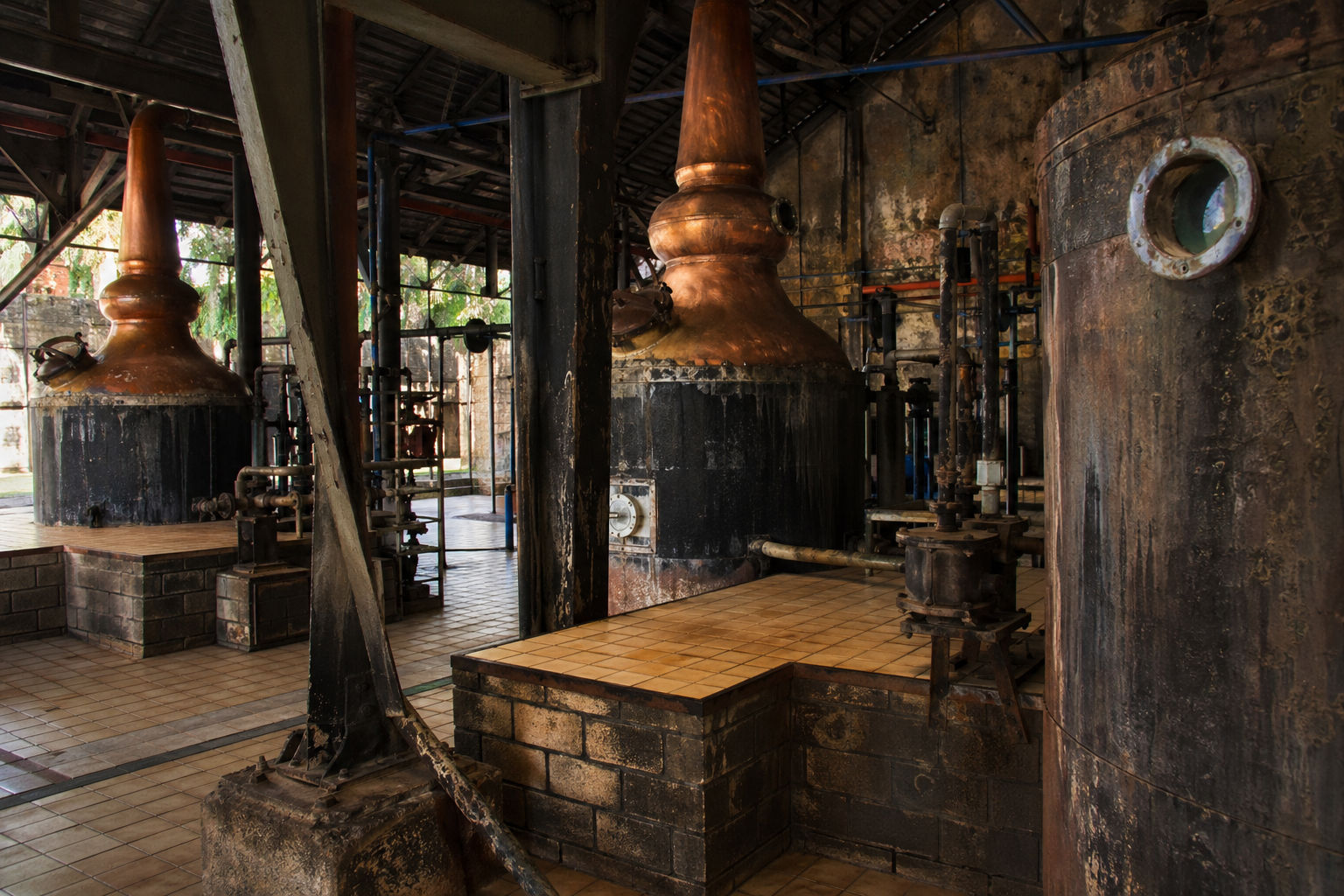
Rhum agricole is made from fresh-pressed sugarcane juice, not molasses. The cane is cut, pressed the same day, and the juice is fermented and distilled immediately—a process that captures the raw, green, grassy, intensely aromatic character of the cane itself. The flavor is completely different from molasses rum: more complex, more herbal, drier, more expressive of the specific land and climate where the cane was grown.
"Rhum agricole from Martinique is to rum what single malt Scotch whisky is to blended spirit, what Champagne is to sparkling wine."
In 1996, Martinique's rhum agricole received the Appellation d'Origine Contrôlée (AOC) designation—the same European protected origin system that governs Champagne, Cognac, and Roquefort cheese. This makes Martinique the only rum-producing territory in the world to hold an AOC designation.
Mapping the Distilleries
Martinique has approximately 14 active distilleries producing AOC-certified rhum agricole, concentrated in four geographic areas of the island:
- Northern Atlantic coast (Le Robert, Le François, Sainte-Marie): Saint James, Clément, HSE
- Northern Caribbean/volcanic slopes (Saint-Pierre, Basse-Pointe): Depaz, J.M, Neisson
- Southern Atlantic coast (Rivière-Pilote): Trois-Rivières, La Mauny
- Fort-de-France and surroundings: La Favorite, Dillon
Each distillery operates within the same AOC framework but produces dramatically different rhums shaped by its terroir, sugarcane varieties, yeast strains, still design, and aging approach. Visiting three or four in a day is common, but choosing the right three or four makes the difference between a whistle-stop sugar rush and a genuinely illuminating introduction to one of the world's most underrated spirit categories.
Distilleries Worth Visiting
Habitation Clément: The Grand Estate Experience
Location: Le François (Atlantic south coast)
Best for: First-time visitors wanting the complete cultural and historical experience; non-rum-specialists who want context alongside tasting
Visitor numbers: Approximately 100,000 per year—the most visited distillery in Martinique
Habitation Clément is not just a distillery—it's a UNESCO-labelled historic estate that functions simultaneously as a rum producer, open-air museum, garden, and art gallery. The property includes the Domaine de l'Acajou, a preserved 19th-century Great House, formal gardens, extensive aging cellars, a contemporary art collection, and a museum telling the full history of rhum agricole on Martinique.
"For a first distillery visit, Habitation Clément is the obvious choice."
The Clément range is excellent—particularly the aged expressions, including the VSOP aged a minimum of four years in French Limousin oak and ex-bourbon casks. The estate guided tour takes 1.5-2 hours, is available in English and French, and includes a structured tasting of four to five rums at the conclusion.
Depaz: The Volcano Distillery
Location: Saint-Pierre, northern Caribbean coast
Best for: Combining a distillery visit with the Saint-Pierre ruins; history enthusiasts; visitors staying in the north
The story: Unique among Martinique's distilleries for a narrative that starts with catastrophe
Depaz has the most dramatic backstory of any distillery in the Caribbean. The original plantation on the slopes of Mount Pelée was completely destroyed in the 1902 eruption—the same event that killed 30,000 people and obliterated Saint-Pierre. The Depaz family rebuilt the estate in 1917 on the same volcanic soil, and today the distillery operates with sugarcane grown in the mineral-rich volcanic earth of Pelée's southern flank, directly above the ruins of Saint-Pierre.
"The volcanic terroir gives Depaz rhum an earthier, more mineral character than distilleries in flatter, richer soil areas."
Depaz also produces its own range of infused rums (rhum arrangé) and rum-based liqueurs, which appeal to visitors who find pure agricole too assertive at first encounter. The guided tour is well-conducted, English-language options are available, and the combination with a morning visit to Saint-Pierre's ruins makes Depaz the natural anchor for a full northern circuit day.
Distillery J.M: The Connoisseur's Choice
Location: Fonds Préville, near Macouba, northern Martinique
Best for: Serious rum enthusiasts; visitors willing to make the long northern drive for something exceptional
The terroir: The steepest, most volcanic, and most remote cane-growing land on the island
J.M (originally Habitation Bellevue, established 1845) is consistently ranked among the finest rhum agricole producers not just in Martinique but in the world. The distillery sits at altitude on the northern slopes of the peninsula near Grand Rivière, in land so dramatically steep and remote that the sugarcane has historically been harvested and brought down on donkeys. The rum it produces is widely considered the most complex, expressive, and age-worthy agricole on the island.
"J.M is not the most tourist-polished experience—that is precisely what makes it worth the visit for anyone seriously interested in rum."
The guided tour is focused on process and terroir rather than cultural performance. The tasting includes aged expressions that are rarely available outside specialist retailers. The rhum vieux (old rum) aged in small French oak barrels is among the most impressive spirits produced anywhere in the Caribbean.
Neisson: The Family Estate
Location: Le Carbet, northern Caribbean coast
Best for: Rum enthusiasts; smaller group experience; best blanc expression on the island
Scale: One of the smallest active distilleries in Martinique; family-owned and operated
Neisson was founded in 1931 by brothers Adrien and Jean Neisson and remains family-operated—a rarity in a market where many historic distilleries have been absorbed by international spirits conglomerates. The estate is compact, the production is deliberately small-scale, and the rum reflects that focus.
"Neisson's rhum blanc is widely considered the finest expression of fresh-pressed agricultural character available in Martinique."
The visitor experience is more intimate and less polished than Clément or Saint James—shorter guided sections, fewer facilities—but the tasting is the deepest and most educational on the island. Book ahead; small group sizes mean the tour fills quickly in high season.
Saint James: The Rum Museum Distillery
Location: Sainte-Marie, Atlantic north coast
Best for: First-time visitors; families; anyone who wants a fully developed visitor experience with extensive context before the tasting
History: Founded 1765, making it the oldest active brand in Martinique
Saint James is the largest rum producer in Martinique and the oldest brand, dating to 1765—originally operated by Père Edmond Lefébure, a Recollect priest, which accounts for the ecclesiastical name. The estate now belongs to La Martiniquaise, one of the world's ten largest spirits companies, which explains the production scale and the highly developed visitor infrastructure.
The Saint James complex includes a full rum museum charting the history of Martinique's sugar and rum industry from the 17th century, extensive plantation grounds with working cane fields, a well-organized guided tour available in English and French, and one of the most comprehensive tasting flights available at any Martinique distillery.
Habitation Saint-Étienne (HSE): The Premium Finish Specialist
Location: Le Gros Morne, Atlantic coast
Best for: Whisky and wine lovers; visitors interested in cask-finishing and experimentation
The speciality: Exceptional garden setting and Martinique's most innovative cask-finishing programme
HSE (Habitation Saint-Étienne) occupies a historic estate with cellars that are classified as "remarkable" under French heritage designation, surrounded by gardens that are worth the visit independently of the rum. The distillery has become particularly known for its cask-finishing programme—expressing aged agricole in ex-Scotch whisky casks, wine casks, and Cognac barrels to create layered, complex aged expressions that speak directly to whisky and wine enthusiasts.
Trois-Rivières: The Southern Alternative
Location: Rivière-Pilote, deep south
Best for: Visitors staying in the south or Sainte-Anne/Le Marin area; accessible from both the Atlantic and Caribbean coasts
Note: Now shares a distillery facility with La Mauny under the same ownership but maintains a distinct identity and range
Trois-Rivières is one of Martinique's oldest established brands (dating to 1660) and the main destination for visitors exploring the southern part of the island who don't want to drive three hours to the northern distilleries. The visitor experience is well-organized, the rum range spans blanc to aged millésimés, and the setting on the southern plateau with Atlantic coast views is genuinely beautiful.
Crafting Your Distillery Tour
The One-Day Circuit (Two Distilleries, Southern Base)
For visitors staying in Trois-Îlets, Le Marin, or Sainte-Anne with a single distillery day available:
- Morning: Habitation Clément (Le François) — 2 hours including tour and tasting
- Afternoon: Trois-Rivières / La Mauny (Rivière-Pilote) — 1.5 hours including tour and tasting
- Both are accessible from the south by well-maintained roads; total driving approximately 1.5 hours combined
The Northern Circuit (Two Distilleries Plus Saint-Pierre)
For visitors based in Fort-de-France or willing to make the northern drive:
- Morning: Saint-Pierre ruins and Musée Vulcanologique (1 hour), then Depaz Distillery (1.5 hours)
- Early afternoon: J.M or Neisson depending on your focus (1.5-2 hours)
- Requires an early start—leave by 7:30am from Fort-de-France; this is a full day
The Rum Pilgrim Three-Day Circuit
For serious rum enthusiasts who have come to Martinique specifically for the rhum agricole experience:
- Day 1: Habitation Clément, HSE
- Day 2: Saint James, Neisson
- Day 3: J.M, Depaz, Saint-Pierre
Understanding Rum Grades
Every Martinique distillery tasting table will offer some variation of these categories:
- Rhum Blanc (White / Silver): Unaged or rested briefly in stainless steel; the most direct expression of fresh cane juice terroir; intensely grassy, herbal, and dry; typically 50-55% ABV; this is the base for ti'punch (Martinique's national cocktail)
- Rhum Ambre / Rhum Paille (Straw): Lightly aged in oak for three to 12 months; slightly rounded with light wood influence but retaining the agricole freshness
- Rhum Élevé Sous Bois (Wood-matured): Aged in oak for a minimum of 12 months without meeting full VSOP criteria; medium-weight expressions bridging white and aged styles
- Rhum VSOP: Aged a minimum of three years in oak (four years by most producers' standards); vanilla, wood spice, and dried tropical fruit alongside the residual cane character
- Rhum XO / Hors d'Âge: Aged six years minimum; full barrel development; complex, weighty, and the spirits that convert whisky drinkers to agricole
- Millésimé (Vintage): Single-year production, dated and released after extended ageing; the pinnacle of Martinique's aged rum expressions; often 10-20+ years in barrel
Ti'Punch: A Must-Try Experience
No visit to a Martinique distillery or bar is complete without a ti'punch—the island's national cocktail, and the correct way to drink rhum agricole blanc for the first time. It consists of three ingredients: white rhum agricole (typically 50-55% ABV), cane sugar syrup (or a small amount of raw cane sugar crushed in the glass), and a disc of fresh lime squeezed and dropped in. No ice, no juice, no dilution. Served at room temperature.
The protocol for ordering a ti'punch in Martinique is part of the culture: you are given a bottle of rum, a bottle of syrup, a lime, and a glass, and you make it yourself according to your own preference. "Chacun prépare sa propre mort"—"each person prepares their own death"—is the traditional phrase, meaning you determine the proportions at your own risk and pleasure.
Practical Tips for Distillery Touring
- Rent a car—there is no practical public transport to most distilleries; a car is essential for any distillery circuit
- Book tours in advance for J.M and Neisson—small group sizes mean tours fill quickly in high season (December through April); walk-ins are often accommodated at Clément and Saint James
- Distillery season is January through June—sugarcane harvest and active distillation runs approximately February through June; visiting during this window means you'll see the stills running, smell the fresh cane juice fermenting, and witness production firsthand. Outside this window (July through January) you're visiting ageing facilities but not active distillation—still excellent, but different
- Drink water between tastings—dehydration in the Caribbean heat combined with consecutive high-ABV pours is a fast route to a ruined afternoon
- Have a non-drinking driver—tasting flights are generous; if your group is two people, designate a driver for the day or plan the distillery day around a hotel base where you can walk or call a taxi home
- Bring cash—some smaller distilleries (J.M, Neisson) have limited card facilities in the tasting room; cash is always accepted
Bottles Worth the Luggage Space
Every distillery has a shop and most offer bottles unavailable outside Martinique:
- Neisson Blanc 52.5%—the finest unaged agricole blanc produced in Martinique by most rum experts' consensus; unavailable in most international markets
- J.M Rhum Vieux VSOP—aged in small French oak; a perfectly proportioned aged expression at a price point significantly below what comparable quality commands in European markets
- Clément XO—broadly available internationally but meaningfully cheaper purchased at the estate
- Depaz Hors d'Âge—the volcanic terroir in its most aged, complex expression; excellent and rarely seen outside Martinique
- Any distillery millésimé—vintage-dated aged rum from a specific harvest year; genuinely collector-level bottles at remarkably fair prices when bought direct from the estate
Most distilleries package bottles for travel and international aviation security compliance. Check your airline's carry-on liquid rules; most serious buyers check a bag specifically for bottles.
FAQ
What is rhum agricole and why is Martinique famous for it?
Rhum agricole is rum made from fresh-pressed sugarcane juice rather than molasses—a process that produces a dramatically more complex, grassy, and terroir-expressive spirit. Martinique is the only rum-producing territory in the world to hold an AOC (Appellation d'Origine Contrôlée) designation, the same French protected origin system used for Champagne and Cognac. This makes Martinique's rhum agricole categorically distinct from any other rum in the world.
Which Martinique distillery is best for first-time visitors?
Habitation Clément is the most complete first-distillery experience—beautiful historic estate, excellent English-language tours, comprehensive tasting, and strong contextual interpretation of rhum agricole's history. Saint James is a close second with a well-developed rum museum.
Which Martinique distillery is best for serious rum enthusiasts?
J.M and Neisson are the consistent answers among spirits professionals and enthusiasts. J.M for the depth of its aged expressions and extraordinary volcanic terroir. Neisson for the finest blanc agricole produced on the island and an intimate, focused tasting experience.
When is the best time to visit Martinique distilleries?
February through June is the active distillation season when sugarcane is being harvested, pressed, and distilled. Visiting during this window means experiencing the full production cycle—fermenting juice, running stills, fresh rhum entering barrels. Outside this window, distilleries are still fully open and operational for tours, but the stills are quiet.
How many distilleries can you visit in one day?
Two is the practical maximum for a comfortable experience with proper tour and tasting time at each. Three is possible but tiring, particularly in the heat. Rushing a third distillery tasting in the late afternoon is how you waste the first two.
Is a guide necessary for Martinique distillery touring?
Not required—all major distilleries offer self-guided visits and structured guided tours independently. A specialist rum guide is worth considering for a multi-day circuit, particularly if combining distilleries with agricultural history and AOC context.
The Most Important Rum You've Never Tasted
Rhum agricole from Martinique is, by most serious spirits professionals' assessment, among the most distinctive and under-appreciated categories in the world of distilled spirits. The AOC designation that protects it is no formality—it encodes centuries of agricultural knowledge, colonial history, and French technical tradition into every glass. Most of the world's rum drinkers have never encountered it. Every one of Martinique's 600,000 annual distillery visitors has a reasonable chance of converting away from every other rum they've ever drunk after a single morning at one of these estates. Book the car. Start early. Have the ti'punch first. Bring an empty bag for bottles.
Explore more Martinique and Caribbean island guides on IsleRush, including our Mount Pelée UNESCO hiking guide and Martinique travel guide.