What to Do in Martinique Beyond the Beach: A Week-by-Week Itinerary
Martinique boasts nine distinct ecosystems packed into an island barely 65 kilometers long. It features a UNESCO-listed volcano, 13,900 hectares of preserved tropical rainforest, the world's only AOC-certified rum, a capital city rich in French Caribbean architecture, ancient Amerindian archaeological sites, mangrove kayaking, wreck diving, botanical gardens with suspension bridges through the rainforest canopy, gorges where you wade through waterfalls, and cooking workshops in Creole kitchens. While the beaches are spectacular, they are but a small part of the island's allure.
This guide offers three week-long itineraries tailored to different travel styles: one for adventure seekers, one for culture and food enthusiasts, and one for mixed groups. Each activity is practical, bookable, and sequenced to minimize driving time.
Island's Three Zones
Before planning your days, familiarize yourself with Martinique's geography. The island is divided into three distinct zones, each with its own character:
- The North (volcanic, rainforest, black sand beaches): Features Mount Pelée, Saint-Pierre ruins, Depaz and J.M distilleries, Jardin de Balata, waterfalls, and the Presqu'île de la Caravelle nature reserve; dramatic, green, and wild.
- The Centre (capital, cultural, colonial): Home to Fort-de-France, Habitation Clément, Habitation Saint-Étienne, Saint James distillery, and Sainte-Marie; the island's cultural and gastronomic core.
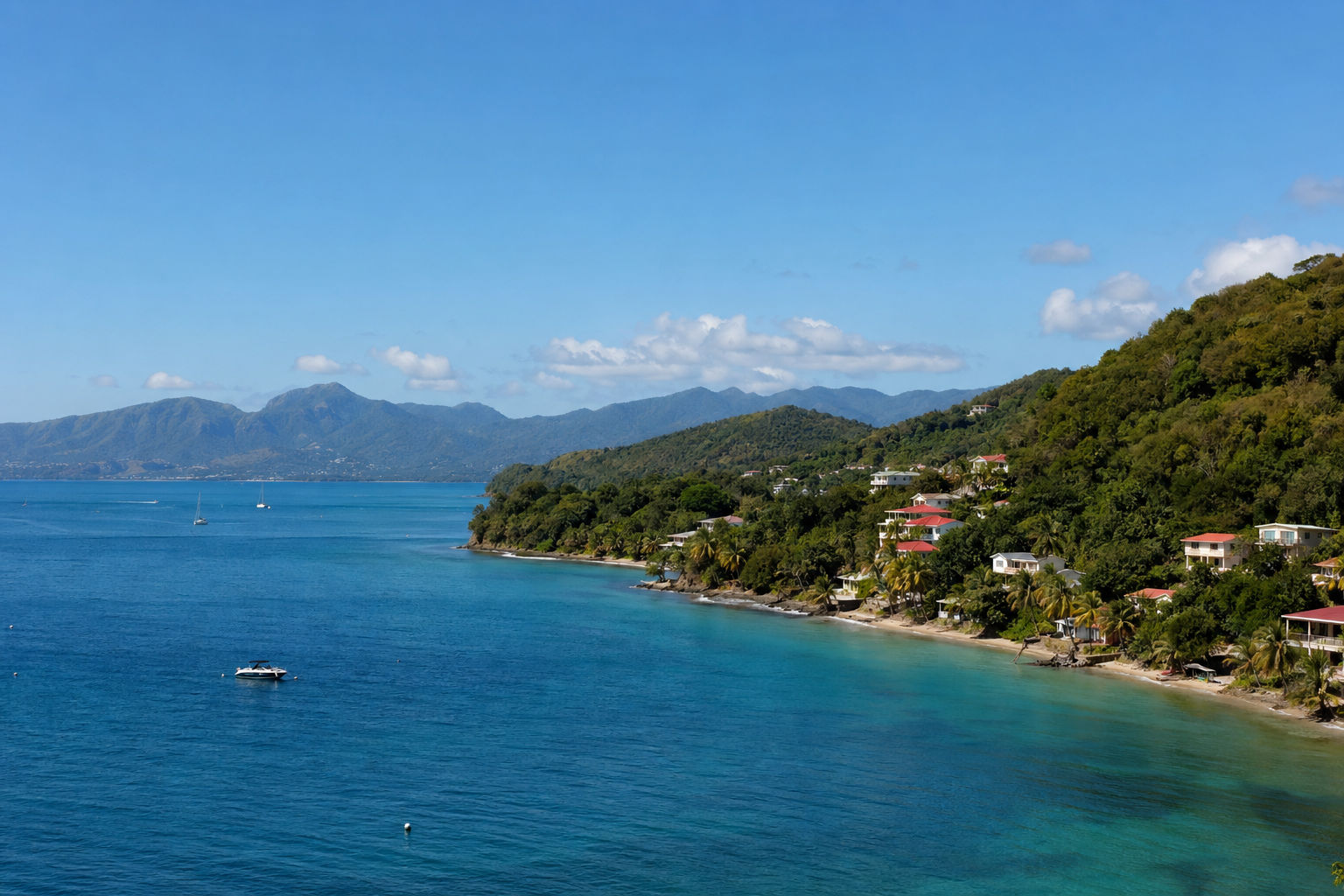
- The South (resort, turquoise water, white sand): Includes Les Salines beach, Anses d'Arlet, Diamond Rock, Trois-Rivières, and Sainte-Anne; the classic Caribbean postcard and the most tourist-facing section.
"Flipping the usual itinerary — basing yourself centrally or in the north for the first half of the week — delivers a dramatically better experience."
Week One: Adventure Traveler
Day 1: Fort-de-France's Hidden Charms
Start your week in the capital, giving it the time it deserves rather than the half-hour most itineraries allocate:
- Morning: Visit Fort-de-France's iron market (Grande Marché) for an authentic encounter with Martinique's Creole food culture. Arrive by 8am to beat the heat.
- Midday: Stroll through Savane park and visit the Bibliothèque Schœlcher, a neo-Byzantine, neo-Romanesque library building, genuinely one of the most extraordinary pieces of architecture in the Caribbean.
- Afternoon: Join a Fort-de-France food tasting and cultural walking tour, covering six neighborhood stops including boulangeries Créoles and rum bars.
- Evening: Dine on the Pointe Simon waterfront or in the Terres-Sainville neighborhood, known for its authentic Creole restaurants.
Day 2: Jardin de Balata & Northern Rainforest
- Early morning: Arrive at Jardin de Balata by 9am to experience the mist in the tree canopy. This garden is home to 3,000 tropical and exotic species.
- Late morning: Drive north on the N3 into the Pitons du Carbet, passing through dense tropical rainforest.
- Afternoon: Visit Cascade Absalon and Le Saut du Gendarme waterfalls, accessible by short hikes.
- Evening: Return via Trois-Îlets for dinner at a waterfront restaurant.
Day 3: Saint-Pierre, Mount Pelée & Depaz Distillery
This is the most historically charged day on the island. Start very early:
- 6:30am departure: Head to Saint-Pierre to explore the ruins before the day warms.
- 8:30am Saint-Pierre arrival: Visit the Musée Vulcanologique before the crowds.
- 10am Saint-Pierre ruins: Walk through the old theatre ruins and other historical sites.
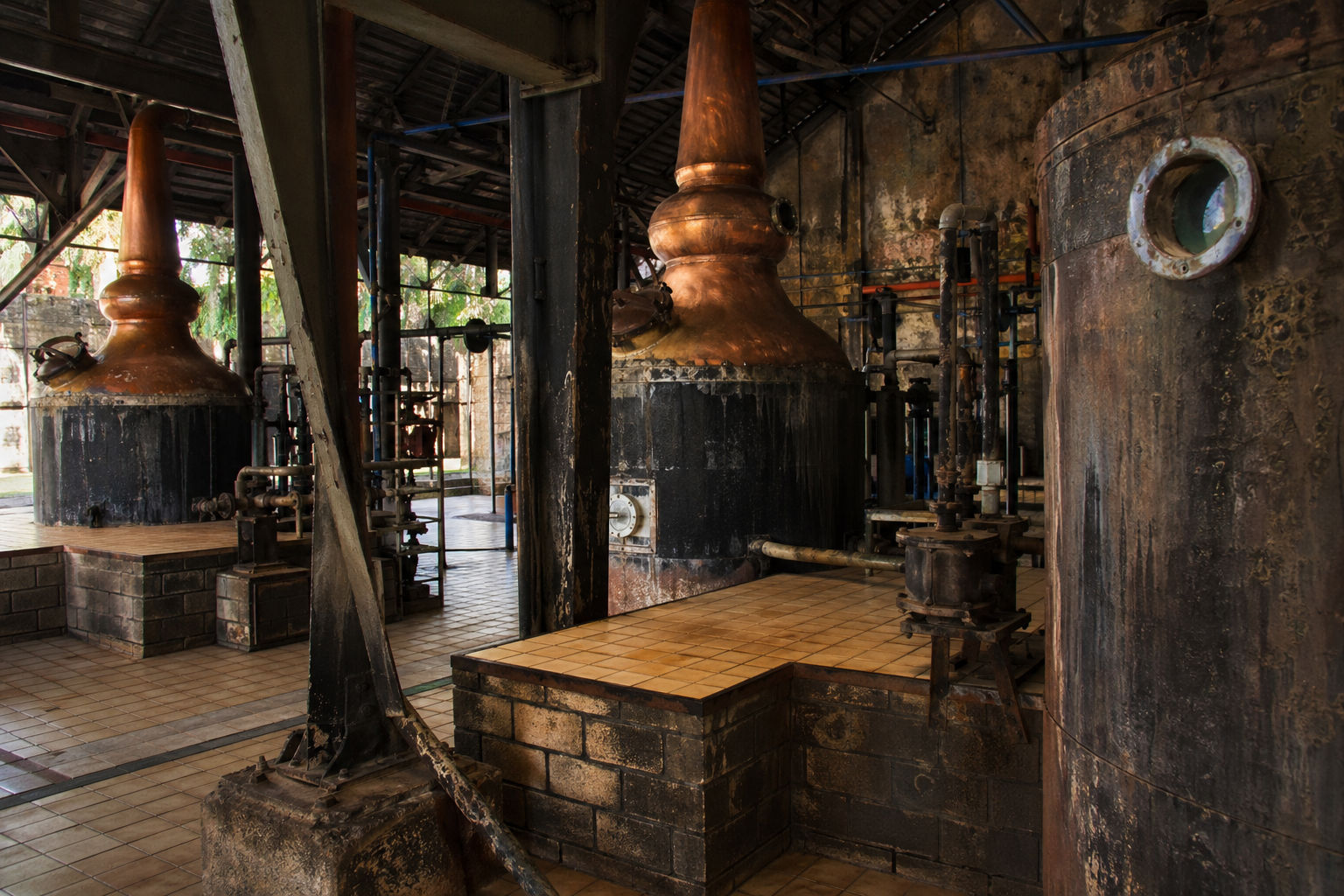
- 11:30am Depaz Distillery: Tour the estate and enjoy a tasting.
- Afternoon: Hike the Aileron trailhead or explore the black sand beaches of Anse Couleuvre and Anse Céron.
Day 4: Caravelle Peninsula Nature Reserve
The Presqu'île de la Caravelle offers Martinique's most varied natural environments:
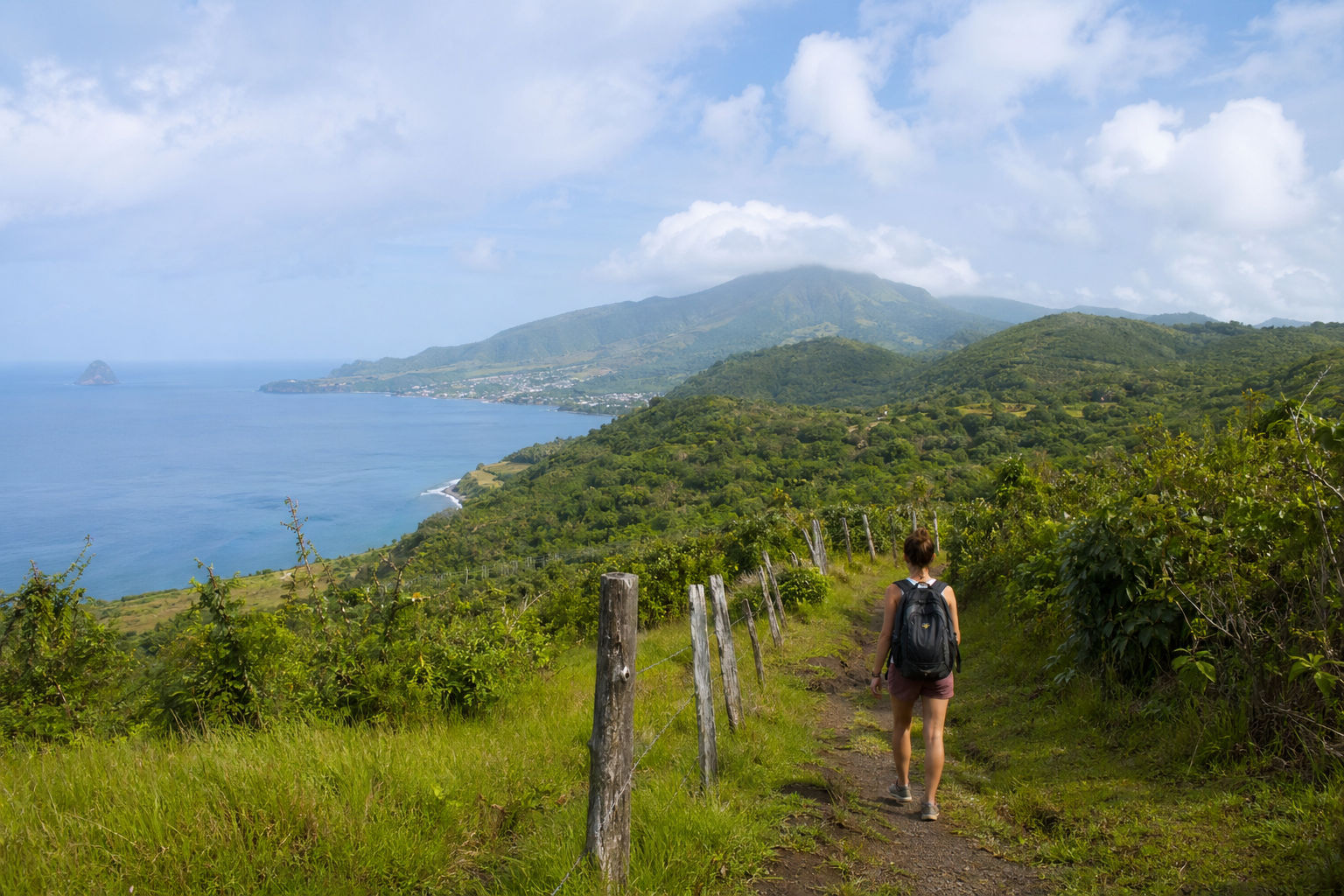
- Morning: Hike the Caravelle long circuit trail, which includes banana plantations, dry coastal forest, and the ruins of Château Dubuc.
- Midday: Swim at Anse Tartane or Baie du Trésor, two sheltered Atlantic bays.
- Afternoon: Visit Habitation Clément in Le François for a distillery estate tour.
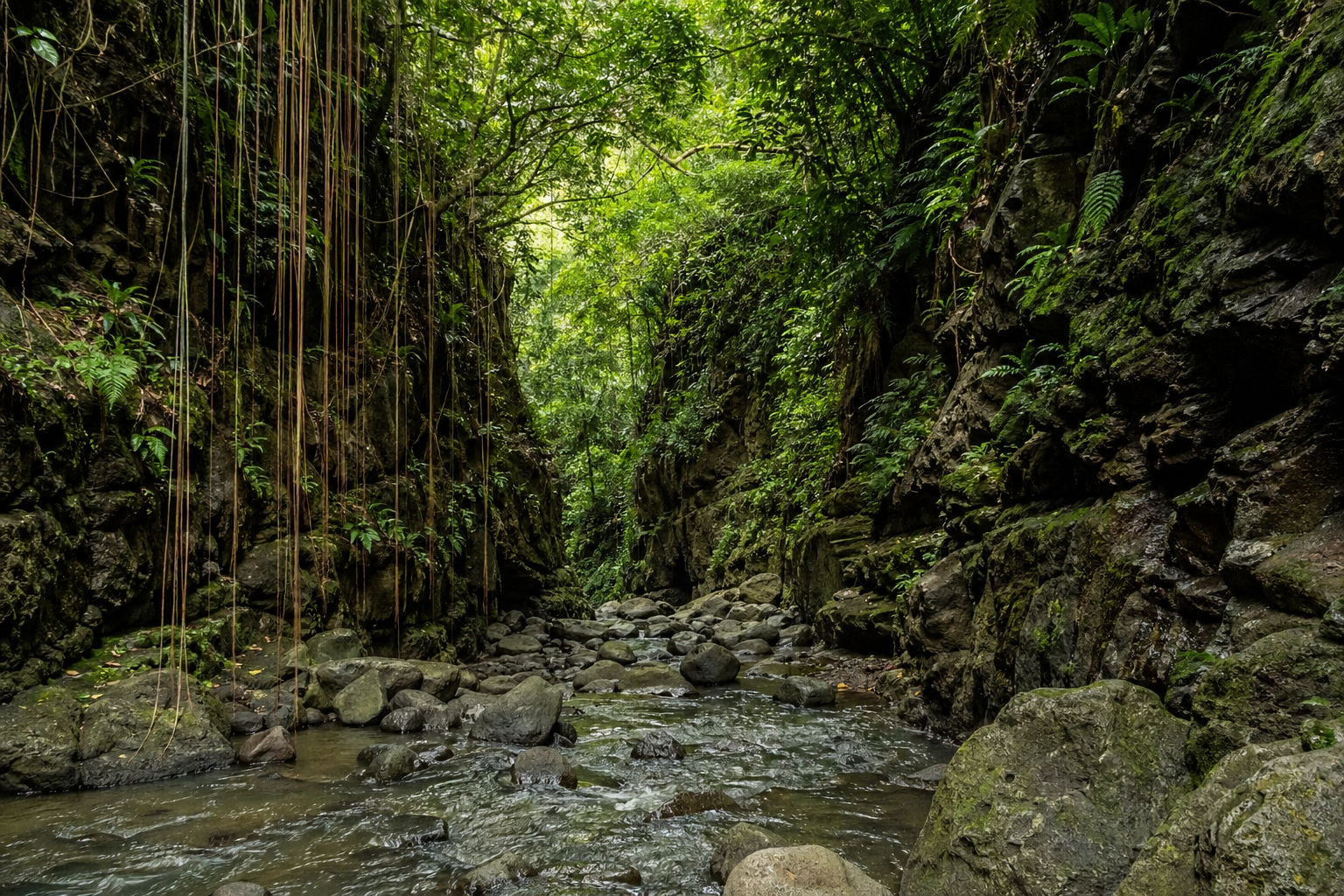
Day 5: Gorges de la Falaise & Rainforest Waterfalls
The Gorges de la Falaise offers an exhilarating natural experience:
- How it works: A guided hike takes you into a narrow volcanic gorge by wading upstream through the Falaise River.
- Duration: Approximately 3 hours including the approach hike.
- Practical: Bring a dry bag for valuables and wear clothes you can get wet.
- Location: Ajoupa-Bouillon in the northern Atlantic foothills.
Afternoon: Visit the Plateau Boucher viewpoint and return via Macouba for a scenic coastal drive.
Day 6: Anses d'Arlet & Diamond Rock Sailing
Explore the south coast's most photogenic fishing village and the Caribbean's most dramatic offshore geological feature:
- Morning: Snorkel in Anses d'Arlet village, a working fishing settlement.
- Midday: Sail around Diamond Rock, a volcanic sea stack with historical significance.
- Afternoon: Relax at Les Salines beach, Martinique's most famous stretch of white sand.
Day 7: Mangrove Kayaking & Josephine's Bathtub
Conclude with water-based exploration in unique ecological environments:
- Morning: Take a guided mangrove kayak tour from Les Trois-Îlets.
- Midday: Visit Joséphine's Bathtub, a natural sandbar in the Robert lagoon.
- Afternoon: Return to Fort-de-France for a final evening of dining and exploration.
Week Two: Culture & Food Lovers
Day 1: Fort-de-France Deep Dive
- Morning market and Schœlcher Library as above.
- Afternoon: Join a guided food and culture walking tour with tasting stops.
- Evening: Participate in a Creole cooking workshop.
Day 2: Rum Heritage Circuit
- Spend a full day exploring distilleries, including Depaz and J.M or Neisson, with a historical stop at Saint-Pierre ruins.
- This day is detailed in the Martinique Rum Distillery Tour Guide on IsleRush.
Day 3: Habitation Saint-Étienne & Estate Gardens
- Morning: Tour the HSE estate and barrel-ageing cellar in Le Gros Morne.
- Afternoon: Visit the Saint James distillery and museum in Sainte-Marie.
Day 4: Savane des Esclaves & Southern Cultural Circuit
La Savane des Esclaves is a significant cultural heritage site:
- An outdoor museum reconstructing the daily life of enslaved Africans in colonial Martinique.
- Allow 2-3 hours for the full guided experience.
- Afternoon: Visit the banana museum in Sainte-Marie.
Day 5: Presqu'île de la Caravelle & Atlantic Culture
- Explore Château Dubuc ruins and the Caravelle trail.
- Afternoon addition: Visit the Caravelle Rum Distillery.
Day 6: Bèlè Dance Workshop & Creole Music
Immerse yourself in Martinique's traditional music culture:
- Morning: Join a Bèlè dance and music workshop with a cooking class.
- Afternoon: Visit Le Marin's weekly market for Creole food and local rum.
Day 7: Anses d'Arlet & Les Salines
Spend your final day on the water, with the option of a catamaran sunset cruise from Le Marin.
Independent Day Trips
Half-Day: Fort-de-France Food Walk (3 hours)
The best introduction to Martinique's food culture, featuring market visits, library stops, and street food tastings.
Half-Day: Jardin de Balata (2-3 hours)
Essential for anyone interested in tropical plants and canopy walks, just 20 minutes from Fort-de-France.
Full Day: Caravelle Peninsula Hike & Dubuc Ruins
Combine Martinique's nature and colonial history in a single day, offering a less crowded experience.
Full Day: Gorges de la Falaise
Experience the most thrilling natural adventure in Martinique, requiring a guide.
Full Day: Mangrove Kayak + Josephine's Bathtub Boat Trip
Immerse yourself in the island's ecology with activities bookable from Les Trois-Îlets.
Full Day: Mount Pelée Hike
Start no later than 6:30am from the trailhead for a detailed exploration of Mount Pelée.
Creole Cuisine: A Daily Delight
Martinique's cuisine is a sophisticated blend of French technique, West African tradition, and Indian influence:
- Accras de morue: Deep-fried salt cod fritters, a staple snack best enjoyed from market vendors.
- Boudin créole: Spicy Creole blood sausage, available from market stalls and butchers.
- Colombo: A beloved curry dish with a unique spice blend, featuring chicken, goat, or fish.
- Court-bouillon: A Creole main course of whole fish poached in a flavorful stock.
- Féroce d'avocat: A dish of salted cod and avocado with cassava flour and hot pepper.
- Langouste grillée: Grilled spiny lobster, a premium dish in coastal restaurants.
- Pain doux and doucelette: Sweet Creole pastries enjoyed with café créole.
Getting Around: Practical Tips
A rental car is essential for exploring beyond Fort-de-France. Public transport is limited, and the island's mountainous terrain extends travel times:
- Fort-de-France to Saint-Pierre: Approximately 1 hour via the N3 mountain road.
- Fort-de-France to Sainte-Anne (south tip): Approximately 1 hour via the southern highway.
- Fort-de-France to Le François: Approximately 40 minutes.
- Fort-de-France to the Caravelle trailhead: Approximately 50 minutes.
Pick up a rental car at Aimé Césaire International Airport (FDF) upon arrival. Book in advance during high season (December through April). Left-hand drive is standard.
FAQ
Is one week enough time to see Martinique properly?
One week covers the essential highlights comfortably. Two weeks allow for a full cultural and natural experience without rushing. Ten days is ideal for first-time visitors seeking depth and relaxation.
What is the best area to base yourself in Martinique?
Les Trois-Îlets or Fort-de-France are centrally located for most experiences. For those prioritizing the north, consider staying near Sainte-Marie or Le Robert.
When is the best time to visit Martinique?
December through April is the dry season, offering lower humidity and reliable sunshine. February through June is distillery season. The wet season (July through November) brings lush landscapes and lower prices.
Do you need to speak French to visit Martinique?
French is the official language, but English is widely spoken in Fort-de-France, major distilleries, and tour operators. Learning basic French phrases is appreciated.
What is the best single day itinerary in Martinique for a first-time visitor?
Visit Saint-Pierre in the morning, Depaz Distillery at midday, and Anses d'Arlet in the afternoon for a comprehensive experience of history, rum, and coastal beauty.
Is Martinique expensive?
Martinique uses the Euro, with prices higher than most Caribbean islands but lower than metropolitan France. Budget approximately €100-150 per day per person for mid-range travel.
The Island That Rewards Every Extra Day
Most Caribbean islands are best understood from a beach towel. Martinique is better understood from a kayak in the mangroves, a waterfall gorge you wade into at 8am, a distillery tasting on a volcanic slope above the ruins of a city that no longer exists, and a Creole kitchen where the cook explains the difference between the seven varieties of hot pepper hanging over the doorway. The beach at Les Salines is genuinely one of the finest in the Caribbean. It's also the last reason to go. Give Martinique the week it deserves and it will give you more than any beach could.
Explore more Martinique travel guides on IsleRush, including our Mount Pelée UNESCO hiking guide, our rum distillery tour guide, and the complete Martinique food guide.