Malta on a Budget: How to Avoid the All-Inclusive Trap
The average tourist now spends €971 per visit to Malta — but that figure is inflated by travelers who book all-inclusive packages, stay in resort hotels, and never leave the pool. The travelers who spend half that and have twice the experience are the ones who figure out quickly that Malta rewards independent exploration more than almost any other Mediterranean destination. The best beaches are free. The most historic streets cost nothing to walk. The local food is extraordinary and cheap. And the bus network is one of the most underrated transport systems in southern Europe.
Here is exactly how to visit Malta independently, affordably, and better.
All-Inclusive: Missing Malta's Magic
All-inclusive resorts exist in Malta, mostly concentrated in the St. Paul's Bay area and along the Bugibba strip. They are fine for what they are. But Malta is a country with over 7,000 years of human history, a UNESCO World Heritage capital, prehistoric temples older than Stonehenge, one of the world's top dive destinations on the next island over, and a street food scene that will genuinely make you rethink what a €1 snack can taste like.
"Booking all-inclusive in Malta is like booking all-inclusive in Rome. The destination is the point."
The destination is spectacularly good value when approached correctly.
Real Costs: Setting Expectations
The honest daily budget breakdown for an independent traveler in 2026:
- Budget traveler (hostel dorm, public transport, cheap eats, free activities): €35-45 per day
- Mid-range independent traveler (budget guesthouse or Airbnb, some restaurant meals, paid attractions): €55-80 per day
- Comfortable independent traveler (mid-range hotel, regular dining out, mix of paid and free activities): €90-130 per day
For context, an all-inclusive resort in Malta typically starts at €120-160 per person per day in peak season — for a product that keeps you on the property and away from everything that makes the island extraordinary.
Free & Near-Free: Malta's Highlight Reel
A remarkable number of Malta's best experiences cost nothing:
- Walking Valletta — the entire UNESCO-listed capital is free to explore; the honey-gold limestone streets, Baroque churches, palazzo doorways, and harbour views all cost exactly nothing; plan a minimum of three hours
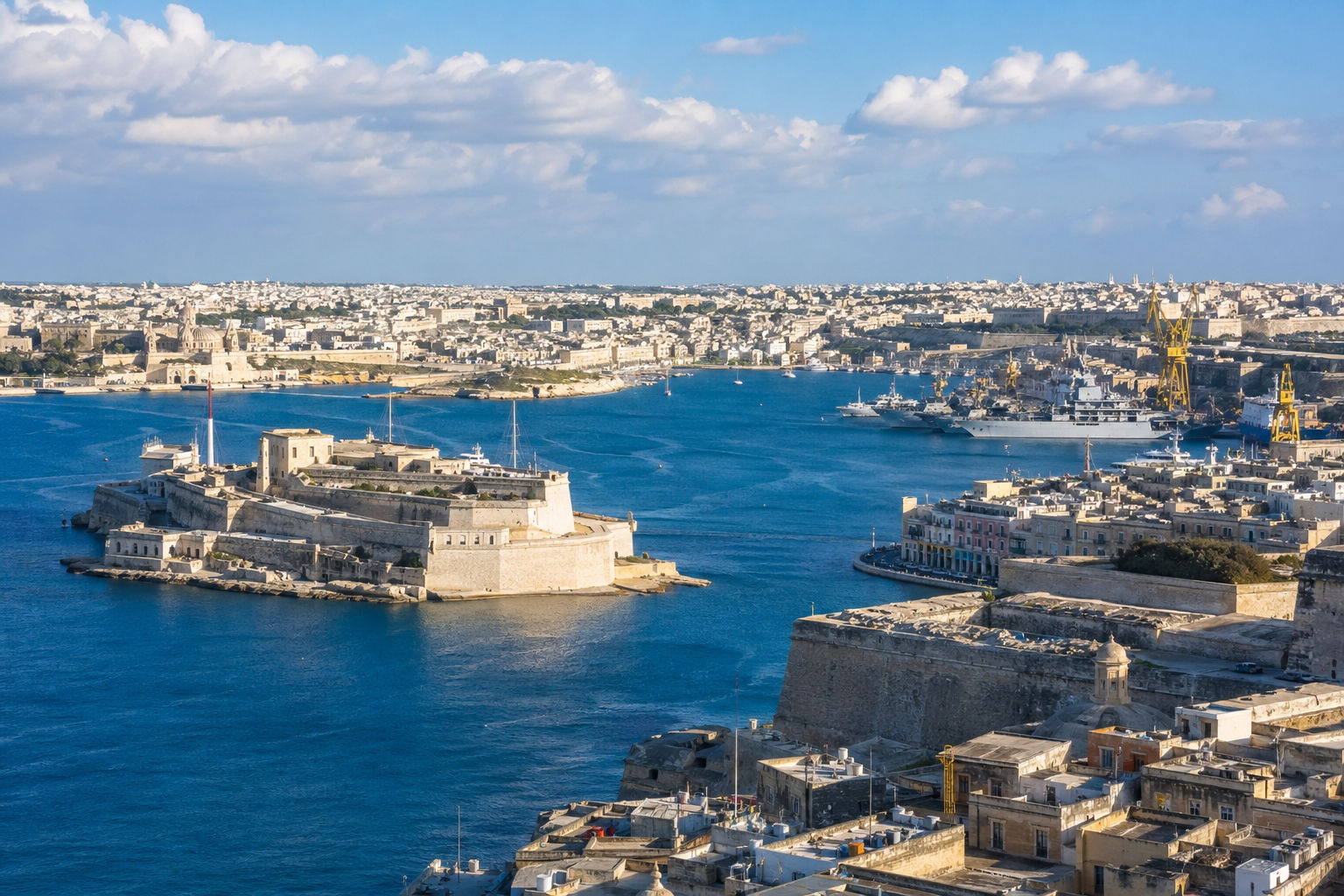
- Upper and Lower Barrakka Gardens — free viewpoints over the Grand Harbour in Valletta; the Upper Barrakka is one of the most photographed spots in the entire country and costs nothing to sit in
- Mdina, the Silent City — Malta's ancient walled medieval capital; entry to the city is free; the streets, churches, and views across the island from the bastions are entirely accessible without paying a cent
- All of Malta's churches — and there are over 350 of them; most are free to enter and several contain priceless artworks that would be behind a €15 ticket in any other European country
- Marsaxlokk Sunday market and harbour — the colourful fishing village on Malta's south coast holds a Sunday fish market that doubles as one of the island's most authentic cultural experiences; free to wander, cheap to eat at the surrounding stalls
- Dingli Cliffs — Malta's highest point and most dramatic coastal walking trail; entirely free, breathtaking at sunset, and almost always quieter than the tourist zones
- Popeye Village (exterior) — the film set turned tourist attraction on Malta's northwest coast has a paid interior, but the exterior view from the coastal road is free and almost as good
- Blue Grotto viewpoint — the coastal lookout above the Blue Grotto sea caves on the south coast is completely free; only the boat tours inside cost money (around €8 per person)
Getting Around: No Car Needed
Malta has a public bus network that covers the entire island — and it is genuinely one of the best-value public transport systems in the Mediterranean.
Bus tickets and passes in 2026:
- Single journey: €2 during summer (day), €3 at night
- 4-day unlimited pass: €15
- 7-day ExplorePlus card: €72 — includes unlimited buses, one-day hop-on hop-off bus tour, a harbour cruise, and return Valletta-Gozo passenger ferry
- Monthly Tallinja card: around €26 for unlimited travel; the best value for stays over two weeks
The Sliema-Valletta passenger ferry deserves a special mention. A single crossing costs just €1.50 (€2.80 return) and takes 10 minutes across Marsamxett Harbour — the cheapest and most scenic way to connect two of Malta's most visited areas.
"Uber and Bolt both operate in Malta with reliable service and reasonable fares."
For trips to areas the bus doesn't reach efficiently — Marsaxlokk on a Sunday, Dingli Cliffs at sunset, the Blue Grotto — a shared Bolt ride is often just €5-8 and far faster than waiting for a bus.
Car hire starts at €20 per day from local operators but Malta's narrow streets, traffic congestion, and parking challenges make it genuinely unnecessary for most itineraries. Save it for a Gozo day — car hire there gives you access to everything the island offers.
Eating on a Budget: Local's Playbook
The all-inclusive trap isn't just about where you sleep — it's about missing Malta's food culture entirely. Here's what locals actually eat and how much it costs:
Pastizzi: The €1 Rule
The pastizz is Malta's unofficial national snack — a diamond-shaped or round flaky pastry filled with either ricotta cheese or mushy peas, baked in a wood-fired oven and sold from pastizzerias across the island from dawn onwards. A single pastizz costs around €0.50 to €1 and is as good at 7am as it is at midnight. Crystal Palace Bar in Rabat, just outside Mdina's gate, is widely considered the best pastizerria on the island and regularly has a queue of locals that tells you everything you need to know.
Ftira: The Maltese Sandwich
The ftira is a thick, crusty bread roll stuffed with tuna, olives, capers, sun-dried tomatoes, and whatever the bakery has going that day. Prices run €3-6 and it's a proper meal. Every town has a bakery serving them. The village of Marsaxlokk has several alongside the harbour that are particularly good.
Hobz biz-Zejt (Bread with Oil)
Maltese sourdough rubbed with tomato paste and drizzled with local olive oil, topped with whatever combination of tuna, capers, olives, and cheese you choose. Available at most traditional bars and bakeries for €2-4. One of the most satisfying cheap meals in the Mediterranean.
Local Restaurants and Kafetteriji
A full meal at a traditional Maltese restaurant runs €10-18 per person. Look for restaurants away from the main tourist streets in Valletta and Sliema — anywhere with a handwritten menu on a chalkboard and predominantly local customers is a reliable sign of honest pricing and real food. In Valletta, streets like Triq il-Merkanti and the areas around St. George's Square have better value options than the harbour-facing tourist terraces.
The Heritage Malta Multisite Pass
If you plan to visit multiple Heritage Malta sites — Fort St. Angelo, the National Museum of Archaeology, the National War Museum, the Hal Saflieni Hypogeum — the Heritage Malta Multisite Pass at €30 per adult covers all of them for less than the combined individual entry prices. The Hypogeum alone costs €35 as a standalone booking, making the pass immediate value if that's on your list.
The Malta Pass
For attraction-heavy itineraries, the Malta Pass offers free entry to over 35 attractions and museums plus a free sightseeing bus ride. It's available in 1, 2, and 3-day versions — calculate whether your planned itinerary makes the numbers work before buying.
Budget Stays: Hidden Gems
Malta has a genuinely good budget accommodation scene that most all-inclusive bookers never encounter:
- Hostel dorm beds: €11-20 per night in Valletta, Sliema, and St. Julian's; quality has improved significantly over the last five years
- Budget guesthouses: €40-70 per night for a private room; widely available in Valletta, Sliema, Gzira, and Mellieha
- Apartment rentals: €500-800 per month for a 1-bedroom in Gzira or outer Sliema; excellent value for stays of two weeks or more
- Farmhouse rentals on Gozo: €60-120 per night for a private farmhouse with pool; extraordinary value compared to Malta hotel equivalents
Gozo Day Trip: World-Class for Under €20
The best-value day in the entire Maltese archipelago costs almost nothing. The ferry from Cirkewwa to Gozo returns you at €4.65 per person as a foot passenger. On Gozo, Ramla Bay (possibly the finest beach in the archipelago) is free. The Citadella in Victoria is free to walk. The coastal trails are free. Bring your own lunch from a Maltese bakery. Total spend for a full day on Gozo without a car: €15-20, including the ferry.
"If you want to add car hire on Gozo — which genuinely transforms the island into a much richer experience — local operators start at €25-30 for the day."
Still less than one day at an all-inclusive resort.
Looks Cheap, But Isn't Worth It
- Overly cheap boat tours to Comino — some operators cram 50+ people onto small vessels; spend a little more for a smaller boat and actually enjoy the Blue Lagoon rather than queuing to get in
- Tourist-facing restaurants on the Valletta waterfront — you're paying 40% more for the same food served 200 metres away on a side street
- Airport taxis — the pre-paid flat rate taxi booth in arrivals is reliable but expensive; Bolt from the airport to Valletta costs around €8 versus €18-22 for the flat-rate taxi
5-Day Budget Itinerary
Day 1 — Valletta on foot: Upper Barrakka Gardens, St. John's Co-Cathedral (€15 entry but absolutely worth it), Merchants Street, lunch ftira from a local bakery, afternoon walk to the Three Cities by ferry (€1.50 return). Total: ~€25.
Day 2 — Mdina and Dingli Cliffs: Bus to Mdina (€2), wander the Silent City for free, pastizzi at Crystal Palace Bar in Rabat (€2), Bolt to Dingli Cliffs for sunset (€6), bus back. Total: ~€20.
Day 3 — Gozo day trip: Early bus to Cirkewwa (€2), ferry to Gozo (€4.65), bus or taxi to Ramla Bay, packed lunch from the morning's bakery, Citadella walk in Victoria, ferry and bus home. Total: ~€20-25.
Day 4 — South Malta: Bus to Marsaxlokk Sunday market (€2), fresh seafood lunch from harbour restaurant (€14), Blue Grotto boat trip (€8), bus to Hagar Qim temples (€7.50 entry). Total: ~€40.
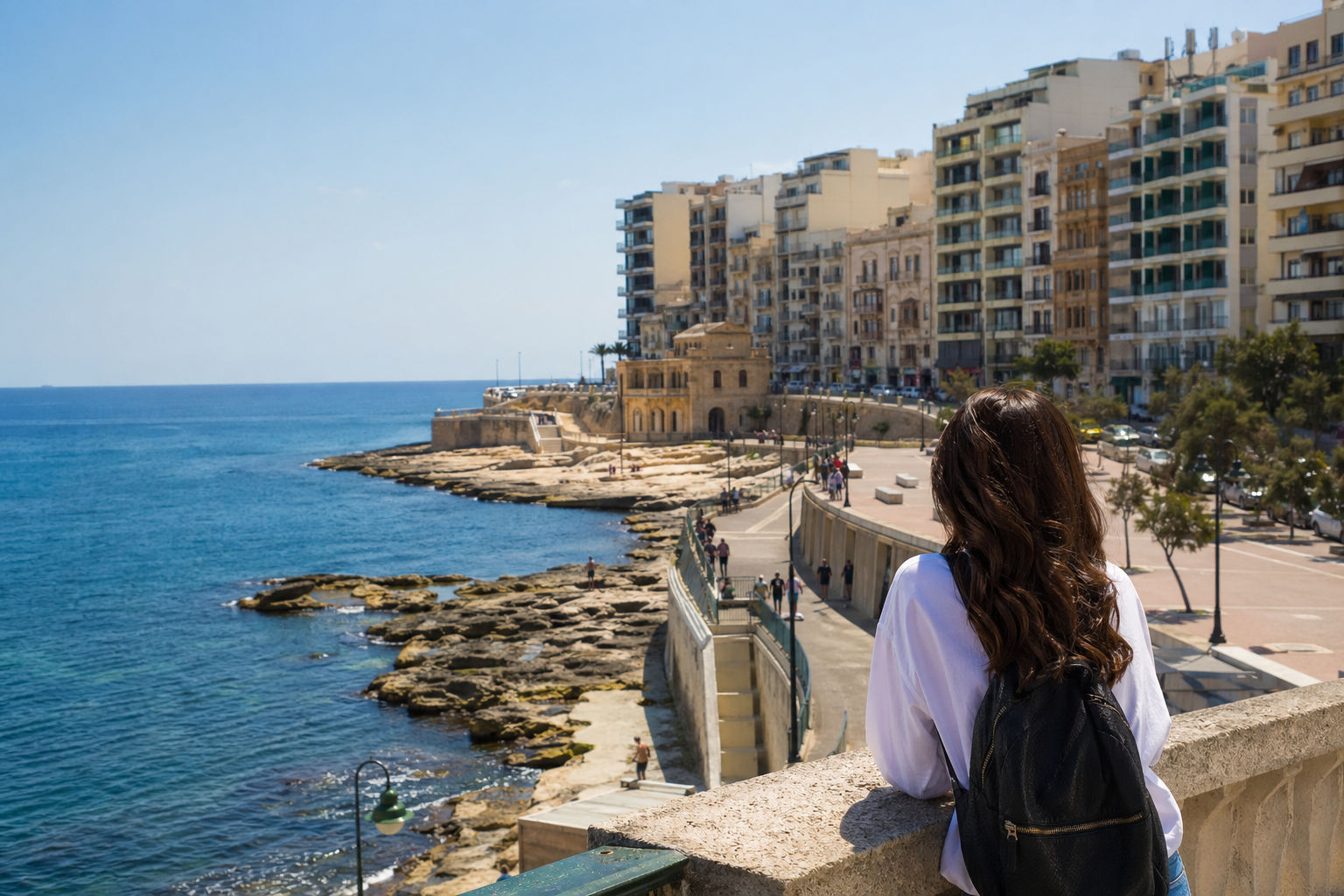
Day 5 — St. Julian's and Sliema: Walk the Sliema Promenade, ferry to Valletta for a final afternoon (€1.50), street food dinner. Total: ~€25.
FAQ
What is the cheapest time to visit Malta?
November through March is the cheapest period, with accommodation prices at their lowest. However, May and September offer the best value for weather — warm, sunny, and around 20-35% cheaper than peak summer.
Is Malta cheap for food?
Very much so if you eat like a local. Pastizzi cost under €1, a full ftira sandwich runs €3-6, and a three-course meal at a non-tourist restaurant costs €12-18 per person. Tourist waterfront restaurants run double that for equivalent food.
Can you do Malta without a rental car?
Yes, comfortably. Malta's Tallinja bus network covers the entire island and the 4-day unlimited pass is €15. Uber and Bolt fill the gaps for destinations buses don't reach easily. A rental car is unnecessary for most itineraries and actually adds stress in Malta's narrow, congested streets.
How much is the ferry from Malta to Gozo?
€4.65 per pedestrian passenger each way from Cirkewwa to Mgarr harbour. Car transport costs approximately €15-20 each way. The passenger-only crossing takes 25 minutes.
What is the best free experience in Malta?
Walking Valletta is genuinely one of the finest free city experiences in the whole Mediterranean — UNESCO-listed Baroque streets, Grand Harbour views, historic churches, and centuries of layered history, all at zero cost. Mdina is a close second.
Is the Malta Pass worth buying?
It depends entirely on your itinerary. If you plan to visit 5 or more of the 35+ included attractions across two or three days, it delivers solid value. For shorter or less museum-heavy trips, individual entry fees work out cheaper.
Malta's Best: Beyond the Wristband
All-inclusive travel has its place — but Malta isn't it. The island's greatest experiences are its streets, its coastline, its food, its prehistoric temples, its diving, and the layered human story written across every corner of the archipelago. Almost none of that sits inside a resort perimeter. A five-day independent Malta trip on €200-250 all in will leave you with more genuine memories, more local connections, and more of Malta than twice the budget spent at an all-inclusive ever could. The bus costs €2. The pastizzi costs €1. Valletta at golden hour costs nothing. Start there and build outward.
Explore our full Malta travel guide, digital nomad guide, and Gozo comparison on IsleRush.