Gozo vs Malta: Which Island Is Right for Your Trip?
Both islands belong to the same tiny Mediterranean archipelago, share the same language and culture, and sit just 25 minutes apart by ferry. Yet, Gozo and Malta offer genuinely different travel experiences. Choosing the wrong one for your trip style could underdeliver on a holiday you were excited about. Malta is energetic, dense, and packed with history, nightlife, and infrastructure. Gozo is rural, quiet, dramatically beautiful, and deliberately slow. Here's how to decide which one is right for you—or whether you need both.
The Basics
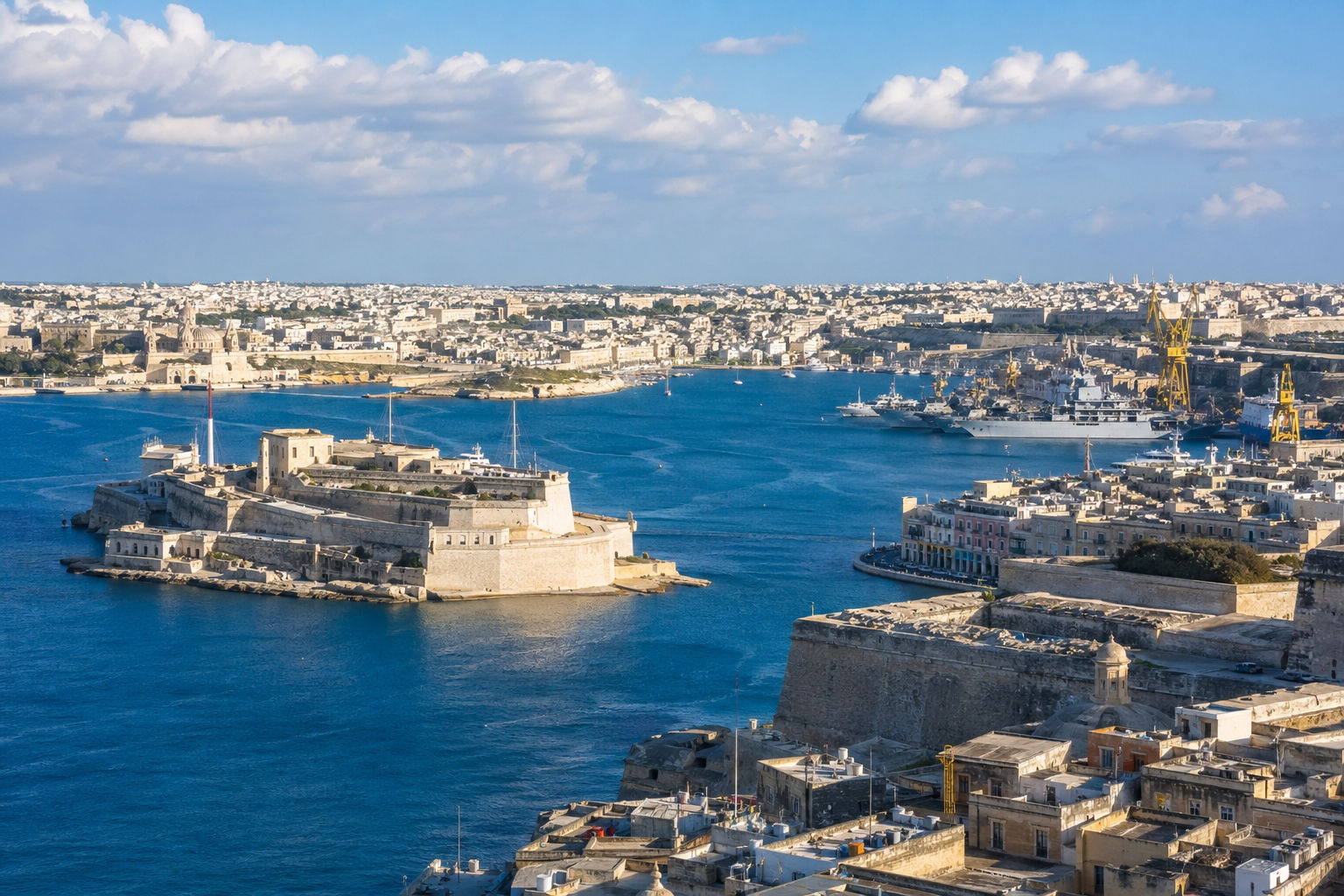
Malta is the main island and home to the country's only international airport, its capital Valletta (a UNESCO World Heritage Site), the majority of hotels, restaurants, nightlife, and public transport. It covers 246 square kilometers and is home to around 460,000 people—making it one of the most densely populated countries on earth.
"The ferry ride is the clearest metaphor for what the island crossing delivers: the pace slows, the density drops, and 94% of Gozo's land is agricultural."
Gozo is the second island of the Maltese archipelago, covering just 67 square kilometers with a population of roughly 39,000. It's accessible from Malta by a 25-minute car ferry from Cirkewwa, running year-round roughly every 45 minutes. There is no airport on Gozo. You feel the change immediately when you step off at Mgarr harbour.
Between them sits Comino, a tiny uninhabited island famous for the Blue Lagoon—one of the most photographed spots in the Mediterranean and a day trip from both islands.
Malta: Who It's Best For
Malta rewards travelers who want to pack a lot into their trip. It has more to see, more to do, better nightlife, more dining options, and the logistical convenience of an international airport nearby. If this is your first visit to the Maltese islands, Malta is almost certainly your starting point.
Malta is the right choice if you want:
- Deep history and architecture — Valletta alone contains more UNESCO-protected monuments per square kilometer than anywhere else in the world; the Three Cities, Mdina, Hagar Qim, and the Hypogeum all sit within easy reach.
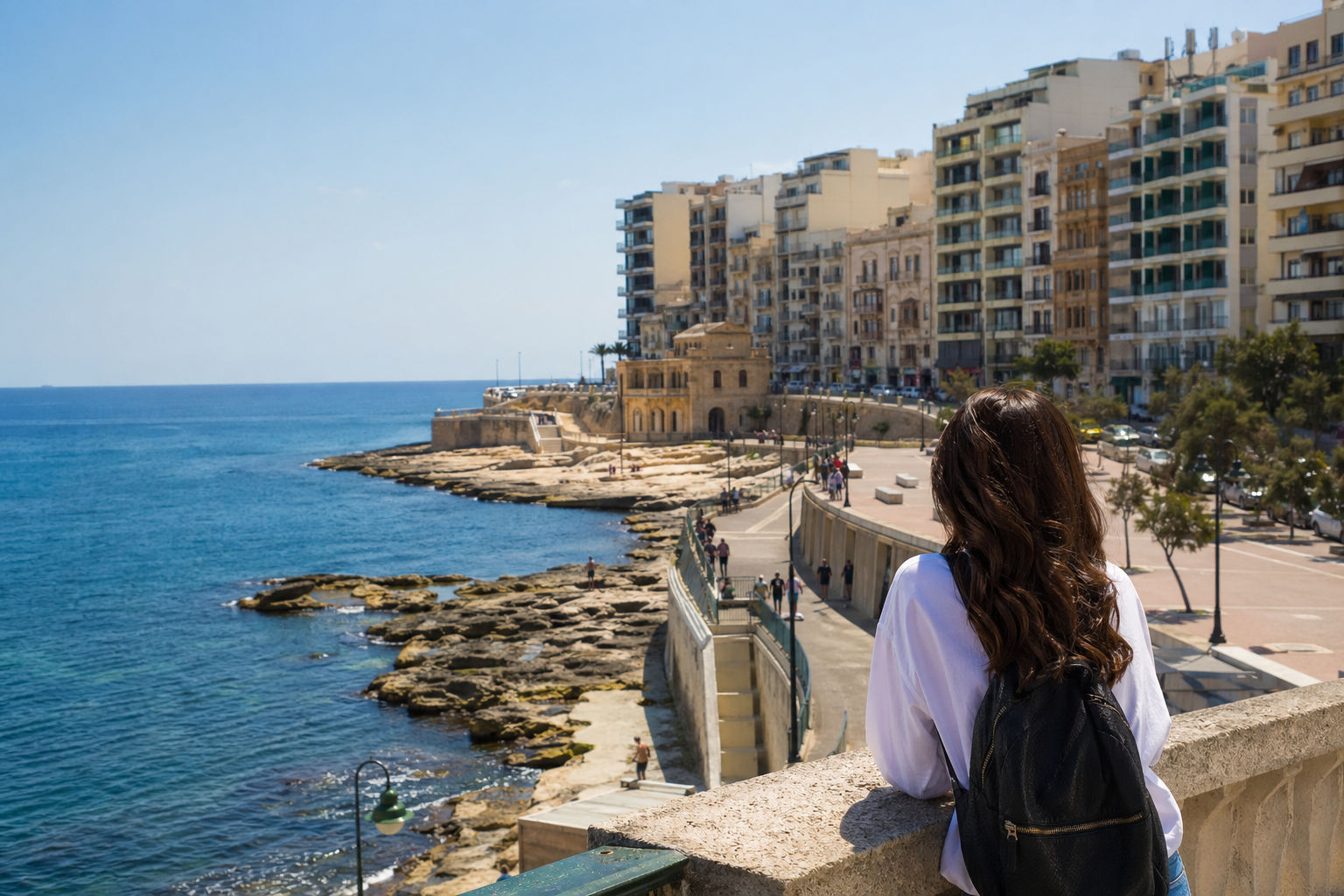
- Nightlife and a social scene — St. Julian's Paceville district is one of the busiest nightlife hubs in the Mediterranean, running from sunset well into the morning; Sliema has a more relaxed bar and restaurant strip.
- Shopping and urban amenities — Sliema and Valletta have the best range of international and local shopping, cafes, markets, and services.
- Easier transport without a car — Malta's Tallinja bus network covers the entire island with a monthly pass at around €26; Gozo's bus network exists but is significantly less frequent.
- A wider range of accommodation — from budget hostels to five-star hotels, Malta has everything; Gozo has less variety and fewer luxury options.
- Families with children — Malta has a water park, aquarium, Playmobil Park, bowling, cinemas, and Fort Rinella; Gozo's entertainment infrastructure for children is minimal.
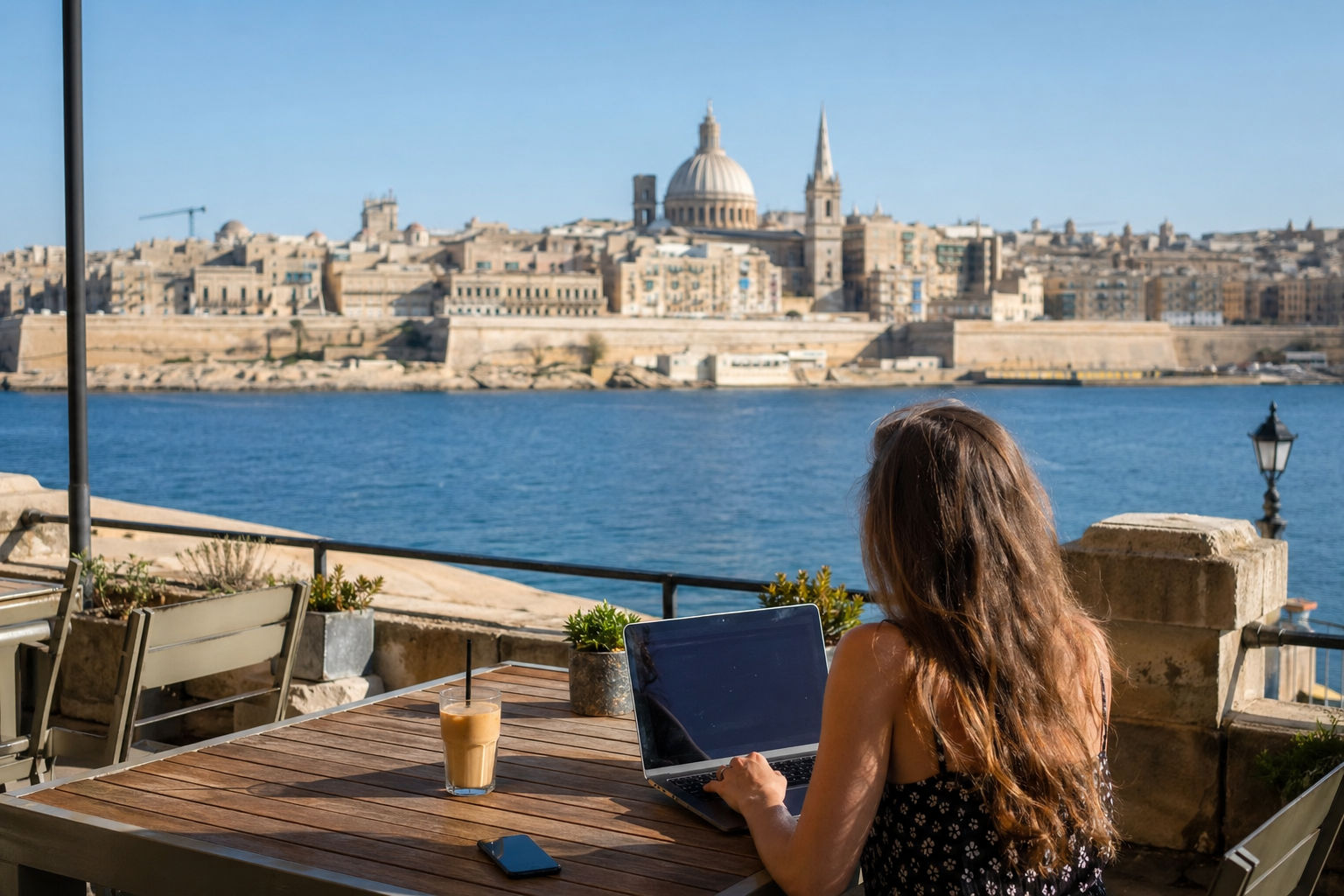
- Digital nomads — as covered in our Malta digital nomad guide, the coworking infrastructure, broadband speeds, and Nomad Residence Permit program are all based around the main island.
Gozo: Who It's Best For
Gozo consistently draws travelers who return year after year with a specific kind of loyalty you rarely see for the main island. It delivers an experience of Mediterranean life that Malta sold away to tourism infrastructure decades ago—village feasts, farmhouse kitchens, cliffs with nobody on them, and nights quiet enough to hear the wind.
Gozo is the right choice if you want:
- World-class diving — Gozo's underwater scene is among the finest in the entire Mediterranean; the Blue Hole at Dwejra is considered one of the best shore dives in Europe, and Inland Sea offers cave diving in extraordinary conditions.
- Genuinely beautiful beaches — Ramla Bay is arguably the finest beach in the entire Maltese archipelago, a crescent of warm orange-red sand with clear water and gentle slopes; San Blas Bay is smaller, harder to reach, and even more beautiful.
- Hiking and natural landscapes — the Sanap Cliffs on the southern coast, the Xwejni salt pans, the Wied il-Mielah sea arch, and the Marsalforn valley trails make Gozo significantly better for outdoor exploration than Malta.
- Rural calm and authenticity — village life here is genuinely authentic rather than preserved for tourists; the weekly village festas with fireworks and brass bands are cultural events for locals, not shows for visitors.
- Better beaches and a slower pace for couples — Gozo consistently ranks as the more romantic of the two islands; farmhouse accommodation with a private pool is cheaper here than equivalent Malta hotels and the atmosphere is far more intimate.
- Food with local provenance — Gozo's ftira (the island's thick, doughy sandwich) is distinct from Malta's version, gbejniet gozo (fresh cheeselets made from local goat's milk) are found everywhere, and produce comes directly from farms within sight of the restaurants that serve it.
- Lower cost — hotel stays, farmhouse rentals, and dining consistently run cheaper on Gozo than on Malta, making it the better choice for budget-conscious travelers who don't want to compromise on environment.
"Gozo delivers the natural beauty, the quiet, the world-class diving, and the authentic village life that most of the Mediterranean has already traded away."
Head-to-Head: Gozo vs Malta
Factor
Best beaches: Malta - Rocky; main sandy beaches far north. Gozo - Ramla Bay, San Blas—genuinely exceptional.
Nightlife: Malta - Excellent—Paceville and Sliema. Gozo - Minimal; village bars only.
History and museums: Malta - Exceptional—Valletta, Mdina, Hypogeum. Gozo - Good—Ggantija Temples, Citadella.
Diving: Malta - Very good—120+ sites. Gozo - World-class—Blue Hole, Inland Sea.
Natural scenery: Malta - Urban; some coastal walks. Gozo - Superior—cliffs, valleys, salt pans.
Food authenticity: Malta - Excellent variety. Gozo - Stronger local provenance.
Transport without car: Malta - Good bus network. Gozo - Limited—car strongly recommended.
Cost: Malta - Higher, especially accommodation. Gozo - Cheaper overall.
Pace: Malta - Busy and urban. Gozo - Slow and rural.
Families: Malta - Better infrastructure. Gozo - Best for older children; less to do.
Couples and romance: Malta - Good. Gozo - Better—farmhouses, quieter beaches.
Digital nomads: Malta - Best—coworking, fast internet. Gozo - Limited coworking options.
The Special Cases
Best for First-Time Visitors
Malta. The depth of history, the ease of transport, the variety of experiences, and the airport convenience all point toward Malta as the right home base for someone visiting the archipelago for the first time. Add a two-night stay or day trip to Gozo to experience the contrast.
Best for Divers
Gozo without hesitation. The Blue Hole at Dwejra, Inland Sea, Cathedral Cave, and the Fungus Rock dive sites are world-class. The combination of visibility, water temperature (18-26°C depending on season), and the variety of dive types—caves, walls, wrecks—makes Gozo one of the top 10 dive destinations in Europe.
Best for Couples
Gozo. A converted farmhouse with a private pool, the Ramla Bay sunrise, dinner in Victoria's Citadella square, and cliffs with no crowds to share them—the island has a romantic atmosphere that Malta, for all its charms, simply can't match.
Best for History Lovers
A genuine tie—but for different reasons. Malta has more history in greater depth: Valletta's Baroque streets and fortifications, Mdina's medieval walled city, the Hagar Qim and Mnajdra temples, and the Hal Saflieni Hypogeum (a 5,000-year-old underground Neolithic temple complex considered the finest of its kind in the world). Gozo has the Ggantija Temples—two of the oldest freestanding structures on earth at around 5,700 years old, predating Stonehenge and the Pyramids—and the atmospheric Citadella in Victoria, the island's hilltop capital. History lovers should see both.
Best for Budget Travelers
Gozo. Accommodation, dining, and daily costs run noticeably cheaper across the island, and the most spectacular natural experiences—cliff walks, natural swimming holes, the salt pans, Ramla Bay—cost nothing to access.
Can You Do Both?
Yes, and many visitors do. The most practical approach depends on your trip length:
- 3-4 days total: Base yourself in Malta, take the ferry for a full day on Gozo. You get the Ggantija Temples, Ramla Bay, Victoria, and a sense of what makes the island different. Return to Malta for the night.
- 5-7 days: Spend 4 nights on Malta and 2-3 nights on Gozo. Hire a car on Gozo; it transforms the experience and gives you access to San Blas, the salt pans, Dwejra, and the coastal cliffs.
- 7-10 days: This is the ideal length to do both islands properly. Malta gets the first half, Gozo the second, with a day trip to Comino's Blue Lagoon built into the Gozo section (the crossing from Gozo to Comino is just 10 minutes, shorter than from Malta).
Where to Stay
On Malta:
- Sliema or St. Julian's for central convenience, dining, nightlife, and access to Valletta; the most popular bases for independent travelers.
- Valletta itself for an atmospheric, walkable stay in the heart of the capital; higher-end boutique hotels and palazzo conversions.
- Mellieha in the north as a compromise—closer to the island's best sandy beach (Mellieha Bay), shorter ferry journey to Gozo, and quieter than the resort strips.
On Gozo:
- Victoria (Rabat) — the island capital, central for access to everywhere on the island, with the Citadella on your doorstep.
- Marsalforn — the most developed resort village on Gozo, with a small beach, restaurants, and the salt pans nearby; good if you want a social base.
- Xlendi Bay — a narrow, dramatic inlet with clear water and a handful of restaurants and guesthouses; one of the prettiest places to stay in the entire Maltese archipelago.
- Farmhouse rental anywhere on the island — the definitive Gozo accommodation experience, often with a private pool, available for similar money as a mid-range Malta hotel.
FAQ
Is Gozo or Malta better for beaches?
Gozo wins clearly. Ramla Bay is the finest beach in the Maltese archipelago—warm orange-red sand, clear water, and a natural backdrop of hills. San Blas Bay is even prettier but harder to reach. Malta's main sandy beaches are concentrated in the far north of the island, over an hour from Valletta and the main resort areas.
How do you get from Malta to Gozo?
By car ferry from Cirkewwa in northern Malta to Mgarr harbour in Gozo. The crossing takes 25 minutes and runs roughly every 45-75 minutes year-round. Passenger fare is around €4.65 each way; car transport costs approximately €15-20 each way.
Is Gozo safe to visit?
Yes. Gozo is one of the safest places in the Mediterranean. Crime rates are extremely low and the small, community-oriented population makes it genuinely welcoming for solo travelers, couples, and families.
Do you need a car in Gozo?
Strongly recommended. Gozo's bus network covers the main routes but runs infrequently and doesn't reach the best natural sites. Without a car, San Blas Bay, Dwejra, the Sanap Cliffs, and the salt pans are difficult or impossible to reach efficiently. Car hire on Gozo starts at around €25-40 per day.
Is Gozo cheaper than Malta?
Yes, consistently. Accommodation, dining, and daily costs run lower across the board on Gozo. Farmhouse rentals with private pools on Gozo often cost less than standard hotel rooms in Sliema or St. Julian's.
How many days should you spend on Gozo?
Two to three days is the minimum to see the island properly. A single day trip from Malta gives you a taste but doesn't allow time for hiking, diving, or getting off the tourist trail. Two nights on Gozo with a hire car gives you enough time to see Ramla Bay, the Citadella, Dwejra, the salt pans, and the coastal walking routes.
You Don't Have to Choose Just One
The Maltese islands work best when you treat them as complementary rather than competing. Malta delivers the cultural and historical weight, the dining scene, and the nightlife energy. Gozo delivers the natural beauty, the quiet, the world-class diving, and the authentic village life that most of the Mediterranean has already traded away. A week that splits between both islands—even just two nights on Gozo with a car—gives you a trip that neither island could deliver alone.
"If you genuinely can only choose one: first-timers pick Malta, repeat visitors pick Gozo, and divers always pick Gozo regardless of how many times they've been."
Explore our full Malta travel guide, Gozo destination pages, and digital nomad guide on IsleRush.