Diving and Snorkeling in Malta: Best Sites for Beginners vs. Advanced Divers
Malta is consistently ranked as Europe's premier diving destination, and it's easy to see why. The waters boast extraordinary clarity, with visibility often exceeding 30 meters. The underwater landscape is a breathtaking tapestry of caves, wrecks, reefs, and walls, all densely packed into a tiny archipelago unmatched in the Mediterranean. Yet, much of the diving content online targets seasoned divers or professionals. This guide is crafted for the tourist diver—the novice on their first or second Open Water experience, the confident snorkeler eager to explore more, and the intermediate diver seeking the perfect site without venturing out of their depth.
Malta's Unique Underwater World
Three factors make Malta's diving exceptional, and they're all interconnected:
- Visibility — Mediterranean clarity combined with minimal industrial runoff and no major rivers ensures underwater visibility of 20-30+ meters is the norm.
- Water Temperature — Ranges from 14-16°C in winter to 26-28°C in August; most comfortable for casual divers from June through October with a 3mm wetsuit.
- Variety in a Tiny Area — Wrecks from multiple wars, sea caves, swim-throughs, reef walls, blue holes, and open water are all accessible within a 45-minute drive across three islands.
"Over 120 dive sites are mapped across Malta, Gozo, and Comino. The challenge isn't finding good diving—it's knowing which sites match your level."
Dive Site Depth Levels
Maltese dive sites broadly fall into three skill levels:
- Beginner / Open Water certified (0-12m max): Calm, shallow reef dives with good shore access; suitable for first ocean dives, snorkelers upgrading to scuba, and nervous divers.
- Intermediate (12-30m): Wrecks, deeper caves, and wall dives requiring comfort with buoyancy at depth; suitable for PADI Open Water certified divers with some ocean dive experience.
- Advanced / Technical (30m+): Deep wrecks, technical penetration diving, and sites with current or complex navigation; requires Advanced Open Water minimum and ideally additional training.
Top Beginner Sites
Cirkewwa: Beginner's Haven
Cirkewwa in northern Malta is the ultimate location for first-time and beginner divers. The area hosts several distinct sites catering to all levels, with easy shore access, minimal current, and excellent visibility:
- Susie's Pool — A protected shallow bay used by dive schools for skills practice; maximum depth 18m, average 5m; extremely gentle and manageable.
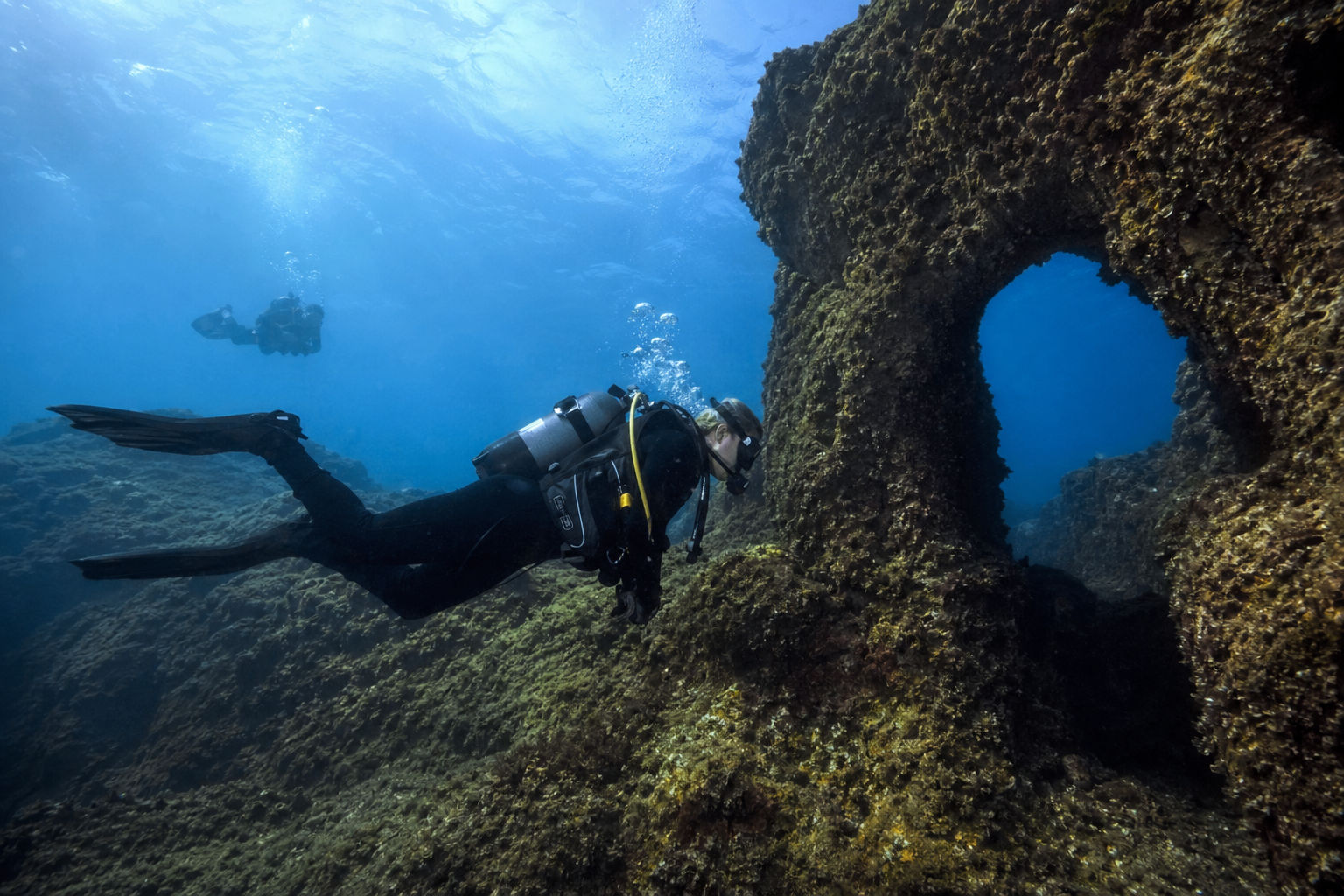
- Cirkewwa Arch — A stunning natural rock arch at around 8-12m that beginners can safely navigate with a guide; one of Malta's most photographed underwater features.
- Paradise Bay Reef — A gentle reef dive with boulder fields, sandy bottoms, sea grass, and natural rock swim-throughs; maximum depth 30m but easily enjoyed at 10-15m by beginners.
Cirkewwa is also where the car ferry to Gozo departs, making it convenient to combine a morning dive session with an afternoon ferry crossing.
Tugboat Wrecks: Sliema and Marsaskala
Small tugboat wrecks in shallow water offer the perfect beginner wreck diving experience. The Tugboat II in Sliema and the St. Michael Tugboats in Marsaskala sit in 6-12m of water, encrusted with marine life, providing first-time wreck divers the visual excitement of a shipwreck without the depth or complexity of Malta's larger wrecks. Fish life around these wrecks is abundant—grouper, sea bream, octopus, and moray eels are common sightings.
Anchor Bay: Scorpion Cave
The protected inlet at Anchor Bay near Popeye Village hosts Scorpion Cave—a wide-entrance shallow cave with a maximum depth of 10m, accessible and manageable for beginner divers. The large entrance allows natural light to flood the cave, eliminating the claustrophobic feeling of Malta's more advanced cave systems. Scorpion fish, sea urchins, and colorful wrasse are common cave residents.
Ghar Lapsi
On Malta's south coast, Ghar Lapsi is a natural sheltered cove with a flat rock platform for entry, calm protected water, and a reef system stretching for 200 meters, ideal for snorkelers and beginner divers. The maximum depth on the main reef section stays around 8-15m, the water is clear, and the marine life—including octopus, sea bream, and shoals of mullet—is reliably present. The natural rock platform and calm water make kit-up and entry easier than most Maltese shore dive sites.
Intermediate Diver Destinations
HMS Maori: A Dive into History
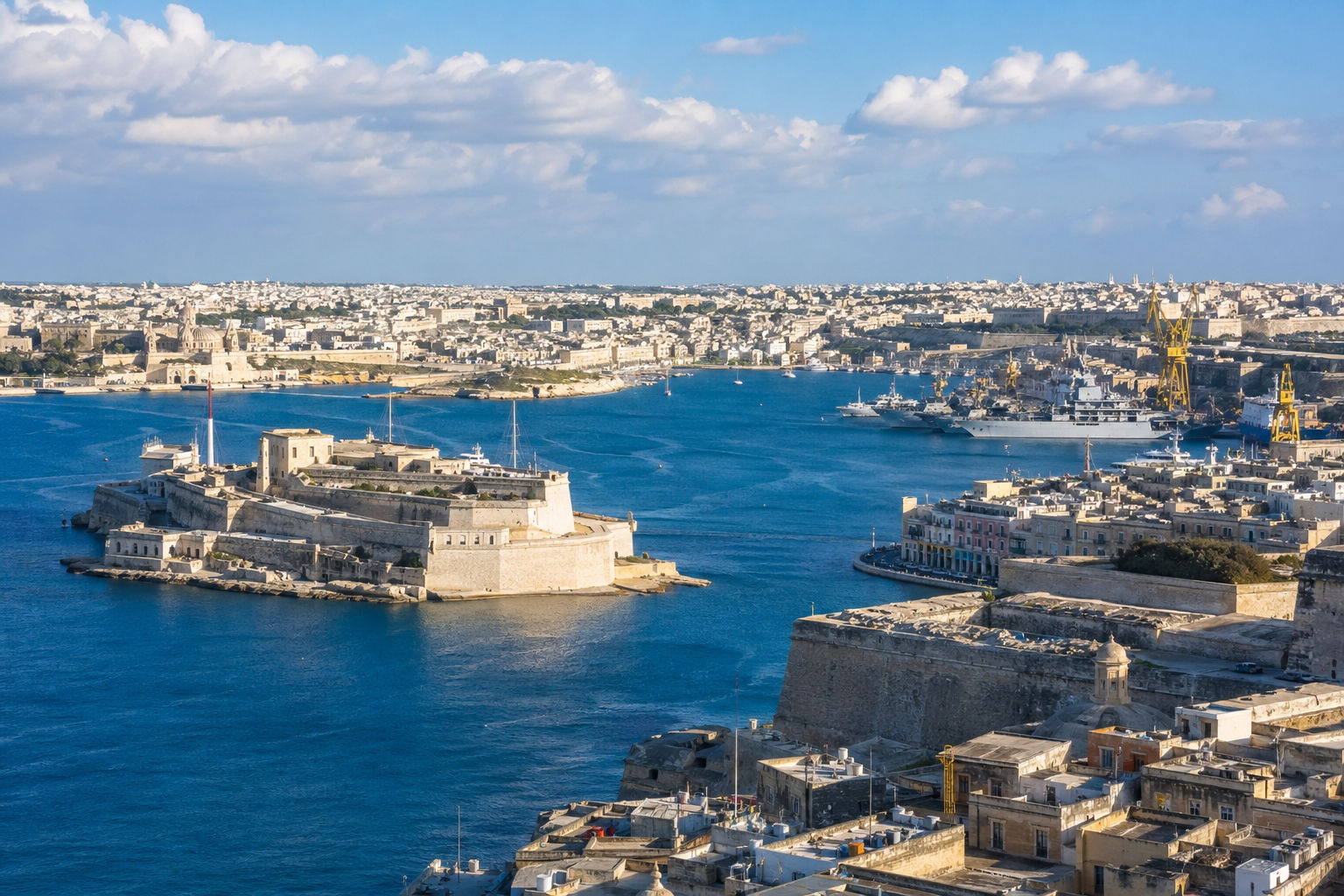
The HMS Maori, a British Royal Navy destroyer sunk during World War II in 1942, now lies in 14m of water just off Valletta's Grand Harbour. It's one of Malta's most historically significant dives, perfectly suited for intermediate divers—shallow enough for a relaxed dive, yet with enough structure, history, and marine life to make it genuinely fascinating. The wreck is encrusted with sponges and corals and regularly surrounded by large shoals of fish.
Patrol Boat P29: Cirkewwa's Gem
The P29 is a former Maltese Navy patrol boat deliberately sunk at Cirkewwa in 1998 to create an artificial reef. It has become one of Malta's most popular dives. The boat sits upright at 30m (with the deck at 15-20m), is intact, and is completely penetrable for divers who wish to explore the interior. The sheer volume of fish life around and inside the wreck is remarkable, functioning exactly as intended as an artificial reef.
Blue Grotto Area: Filfla Wall and Wied iz-Zurrieq
The waters around the Blue Grotto on Malta's south coast offer excellent intermediate diving along a wall that drops from 5m to 30m+ with dramatic rock formations, large caverns, and abundant marine life. The same area includes entry to the Blue Grotto sea caves by boat, allowing a unique combination of surface cave sightseeing and an underwater dive in the same outing. Visibility in this area is consistently among the best in Malta.
Gozo's Coral Gardens
Adjacent to Gozo's world-famous Blue Hole, the Coral Gardens offer an intermediate option for divers not yet comfortable with the Blue Hole itself. The gardens sit at approximately 4-20m depth, covering a 20-meter-wide section of reef encrusted with sea fans, damselfish, wrasse, and sea stars. This is also an excellent snorkeling site in the shallower sections, making it a natural progression point for snorkelers considering their first scuba dive.
Advanced Diver Challenges
The Blue Hole and Cathedral Cave
The Blue Hole at Dwejra is considered one of the best shore dives in Europe and the pinnacle of Maltese diving. It's a naturally formed cylindrical rock hole at the surface that opens into the open sea at 15m through a natural arch, from where the wall drops vertically to beyond 60m. Divers drop through the arch, follow the wall, and return through the Cathedral Cave—a vast air pocket cave with natural light filtering through the water surface.
"The dive combines a blue hole descent, open water wall diving, and cave navigation in a single 45-60 minute dive."
Important note: The arch exit from the Blue Hole can have current, and the entry itself can be wave-affected in poor weather. Advanced Open Water certification and previous experience with wall and cave diving are strongly recommended.
UM El Faroud: Malta's Greatest Wreck
The UM El Faroud is a 115-meter Libyan oil tanker that sank off Zurrieq in 1995 after a gas explosion during a routine drydocking. Split into two sections, the stern lies at 35m and the bow at 29m, and three separate dives are required to explore the full wreck. The sheer scale of the El Faroud—its propeller alone is enormous—combined with the marine life that has colonized every surface over 30 years makes it one of the most impressive wreck dives in the Mediterranean.
Double Arch: Gozo's Unique Dive
The Double Arch dive site on Gozo's northern coast requires a walk through the Xwejni salt pans to access and descends to a maximum of 45m—territory for technical divers. Two natural arches stacked above each other create a dive site unlike anything else in the archipelago, with the interplay of light through both arches at depth providing extraordinary visual reward for those qualified to reach it.
Santa Marija Caves: Comino's Hidden Treasure
The eastern coast of Comino hosts the Santa Marija Caves—a series of interconnected sea caves accessible by boat from both Malta and Gozo. The cave system requires cave or cavern diving training and offers unique penetration diving through lit and semi-lit sections with resident grouper, moray eels, and sea fan gardens on the cave walls.
Snorkeling: Malta's Underwater Wonder
Not every visitor wants to scuba dive, and Malta's snorkeling is genuinely excellent—especially for those willing to venture slightly off the main tourist tracks:
- Ghajn Tuffieha Beach (Riviera) — Swim along the rocks on both sides of the beach at 2-4m depth; stingrays, octopus, and crab are common sightings.
- St. Peter's Pool — A natural rock swimming pool on Malta's south coast with extraordinary clarity and reef fish in abundance at snorkeling depth.
- Ghar Lapsi — A top-tier snorkeling site with 200m of accessible reef at 1-8m depth and reliably good visibility.
- Coral Gardens at Dwejra, Gozo — Accessible from shore at 4m depth maximum in the shallow section; sea fans, wrasse, damselfish, and sea stars within easy snorkeling reach.
- Hondoq ir-Rummien, Gozo — A secluded bay on Gozo's south coast with rock caves accessible at the waterline and clear water over a varied reef.
- Mgarr ix-Xini, Gozo — A sheltered fjord-like inlet with calm, clear water, high limestone cliffs, and excellent snorkeling over rocky reef from the pebble beach.
- Blue Lagoon, Comino — Malta's most famous snorkeling destination; turquoise water, sandy seabed, and abundant fish in 2-6m depth; very busy July-August, arrive early or visit on a weekday.
Choosing a Dive School
Malta has dozens of dive centers, and quality is generally high, but a few things to check before booking:
- PADI or BSAC certification — Both are internationally recognized and widely available; most Malta dive centers offer PADI.
- Maximum group sizes — Smaller groups (4-6 divers per instructor) provide a better experience, especially for beginners; ask before booking.
- Equipment condition — Newer BCs, well-maintained regulators, and wetsuits that fit are worth asking about specifically.
- Learn to Dive (Discover Scuba) options — Most Malta dive centers offer a half-day taster experience for complete beginners that doesn't require certification.
- Shore vs. boat diving — Malta offers both; shore diving is generally cheaper and more flexible, boat diving opens up sites inaccessible from shore.
Well-regarded dive schools for tourist-level divers are concentrated in St. Julian's, Bugibba, Qawra, and on Gozo at Marsalforn and Xlendi. Atlantis Diving in Gozo is frequently cited as one of the best schools for beginner and intermediate divers who want smaller groups and patient instruction.
Practical Information
- Best diving season: June through October for warmest water (22-26°C) and thinnest wetsuits needed; visibility is excellent year-round.
- Average water temperature: 14°C in February/March; 26°C in August/September.
- Wetsuit recommendation: 3mm shorty or full suit June-October; 5mm full suit November-May.
- Typical dive site entry costs: €30-45 for a guided shore dive including equipment hire; €45-65 for a guided boat dive.
- Snorkeling equipment hire: €8-15 per day from most beach operators and dive centers.
- Discover Scuba experience for non-certified: €60-80 per person for a half-day taster including pool introduction and guided reef dive.
- PADI Open Water course: €350-450 over 3-4 days covering theory, pool skills, and four open water dives.
FAQ
Is Malta good for first-time divers?
Yes—among the best destinations in Europe for a first dive experience. The warm, clear, calm waters at sites like Cirkewwa and Ghar Lapsi, combined with the sheer concentration of qualified dive schools and the extraordinary marine life even in shallow water, make Malta an exceptional place for first-time divers.
What is the best dive site in Malta for beginners?
Cirkewwa in northern Malta is the most popular and well-regarded beginner area, offering Susie's Pool for skills practice, the Cirkewwa Arch at 8-12m, and the Paradise Bay reef—all accessible from shore with minimal current and excellent visibility.
Is the Blue Hole in Gozo suitable for beginners?
No. The Blue Hole at Dwejra is one of the most famous dives in Europe but requires Advanced Open Water certification and experience with wall and cave diving. Beginners and intermediate divers should experience the adjacent Coral Gardens instead, which offer an excellent snorkeling and easy dive alternative in much shallower water.
Can you snorkel in Malta without diving certification?
Absolutely. Malta has excellent snorkeling at sites including the Blue Lagoon on Comino, Ghar Lapsi, St. Peter's Pool, and multiple Gozo bays accessible from shore. No certification is required and basic snorkel equipment is widely available for hire.
How much does diving cost in Malta?
A guided shore dive with equipment hire typically costs €30-45. Boat dives run €45-65. A full PADI Open Water course costs €350-450. Discover Scuba taster experiences for non-certified beginners run €60-80 per person.
What marine life can you see diving in Malta?
Common sightings include octopus, moray eels, grouper, sea bream, barracuda, sea stars, sea fans, and large shoals of mullet and bream. Loggerhead sea turtles are occasional sightings in summer. The wrecks support particularly dense fish populations including large grouper and schools of damselfish.
Get Underwater Before You Leave
Malta's diving is one of the best-kept secrets in European tourism—not because it's hidden, but because most visitors don't realize how accessible it is at every level. A complete beginner can do their first ocean dive at Cirkewwa on day one. A snorkeler can float over the Coral Gardens in Gozo with a €10 mask rental. An advanced diver can explore the Blue Hole and the UM El Faroud wreck in the same afternoon. The water is clear, the marine life is abundant, and the dive schools are excellent. Whatever your experience level, Malta's underwater world is too good to miss from the surface.
Explore more Malta travel guides on IsleRush, including our Gozo comparison, budget travel guide, and summer events calendar.