Is the Dominican Republic Safe for Solo Travelers? An Honest 2026 Guide
The Dominican Republic welcomed a record-breaking 11.6 million visitors in 2025, making it the most visited destination in the Caribbean. Yet, "Is the Dominican Republic safe?" remains the most searched question before booking a trip there. The honest answer — the one most travel articles dodge — is that safety in the DR isn't a yes or no question. It depends on where you go, how you travel, and how you apply the same basic street sense that serves you well anywhere in the world.
This is the guide that gives you the real picture.
Official Advisories Decoded
The US State Department currently rates the Dominican Republic at Level 2: Exercise Increased Caution. Here's what that rating means in context — it's the same rating applied to France, Germany, and the United Kingdom. You are not being warned away from a war zone. You're being reminded to stay aware in a country that has real urban crime in specific areas, concentrated mostly outside the tourist zones.
"Tourist destinations are generally more heavily policed and safer than metropolitan areas."
The Canadian government similarly advises travelers to exercise a high degree of caution, citing petty theft, pickpocketing, and occasional armed robberies, particularly outside resort areas and after dark.
GeoSure Global, which uses data-driven neighborhood scoring, gives Santo Domingo safety scores ranging from 37 to 71 out of 100 depending on the specific metric — meaning the capital requires genuine caution while the resort areas consistently score higher.
Safe Zones: Where to Go
Punta Cana, Cap Cana, and Bávaro
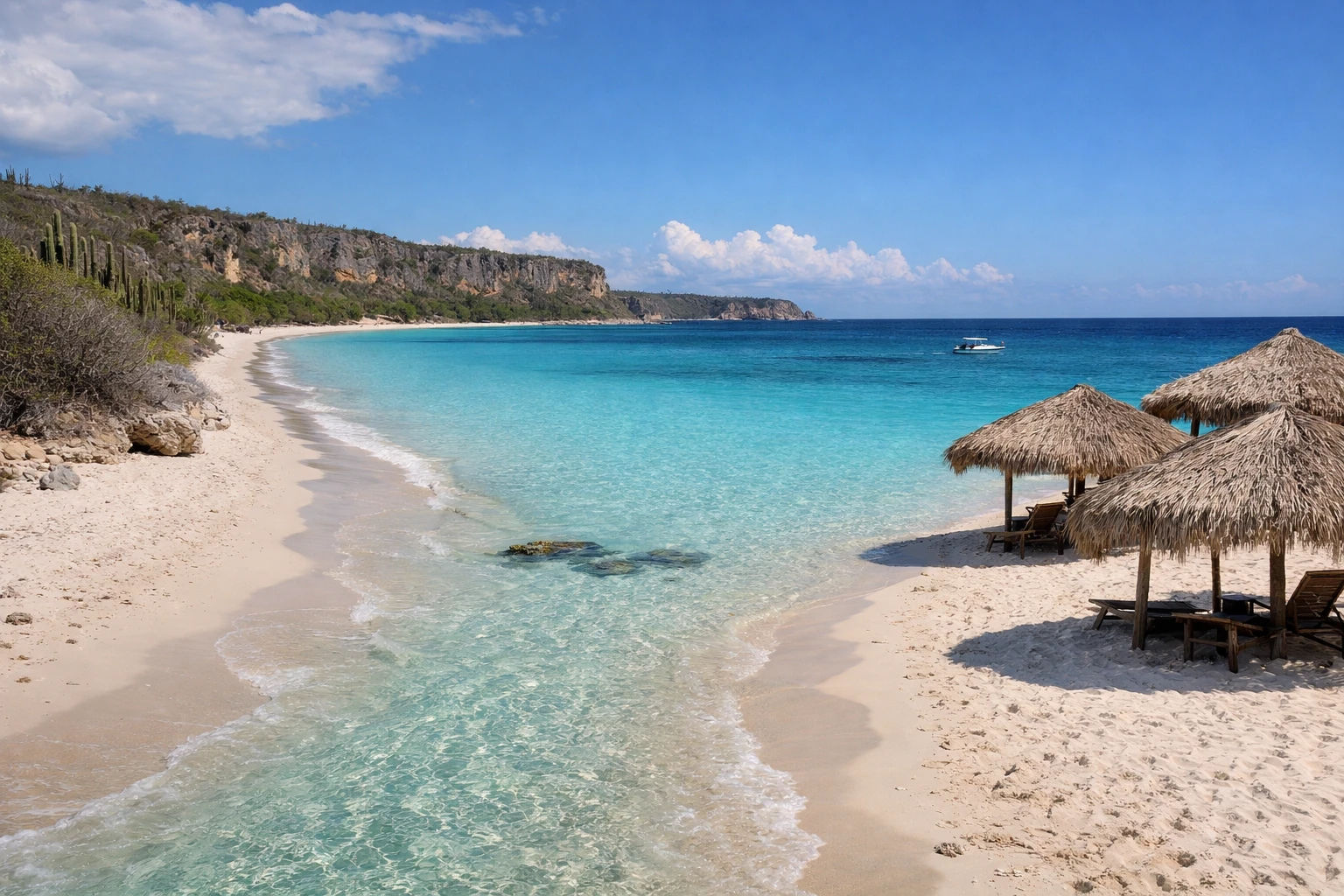
This is the highest-safety zone in the Dominican Republic for tourists. The area is purpose-built for international visitors, most resorts are gated communities with private security, and POLITUR presence is dense. Violent crime against tourists here is extremely rare. The main risk is petty theft on public beaches — don't leave your phone on your towel while swimming. For first-time solo travelers who want a relaxed introduction to the DR, Punta Cana is as uncomplicated as it gets.
Santo Domingo's Zona Colonial
The UNESCO-listed colonial zone is one of the highlights of any Dominican Republic visit and is generally safe during daylight hours and early evenings. The Malecón waterfront and main squares in the Zona Colonial have good pedestrian activity and regular police presence. The rules: stay in the lit, busy areas after dark, use Uber rather than street taxis, and avoid wandering into unfamiliar neighborhoods beyond the colonial perimeter.
Santo Domingo outside the Zona Colonial requires a more serious level of awareness. Areas like Villa Mella, Los Alcarrizos, and parts of the northern districts have high crime rates and are not suitable for tourists to explore independently.
Cabarete
One of the best destinations for solo travelers in the entire country. This laidback surf and kitesurf town on the north coast has a well-established backpacker and expat community, a string of social hostels, and a genuine street-level safety reputation that outperforms most Dominican cities. Solo travelers, digital nomads, and young independent visitors consistently rate Cabarete as the most comfortable place to be alone in the DR. The beach is walkable during the day, the nightlife strips are compact and well-lit, and the social hostel scene makes it easy to find travel companions within an hour of arriving.
Las Terrenas, Samaná Peninsula
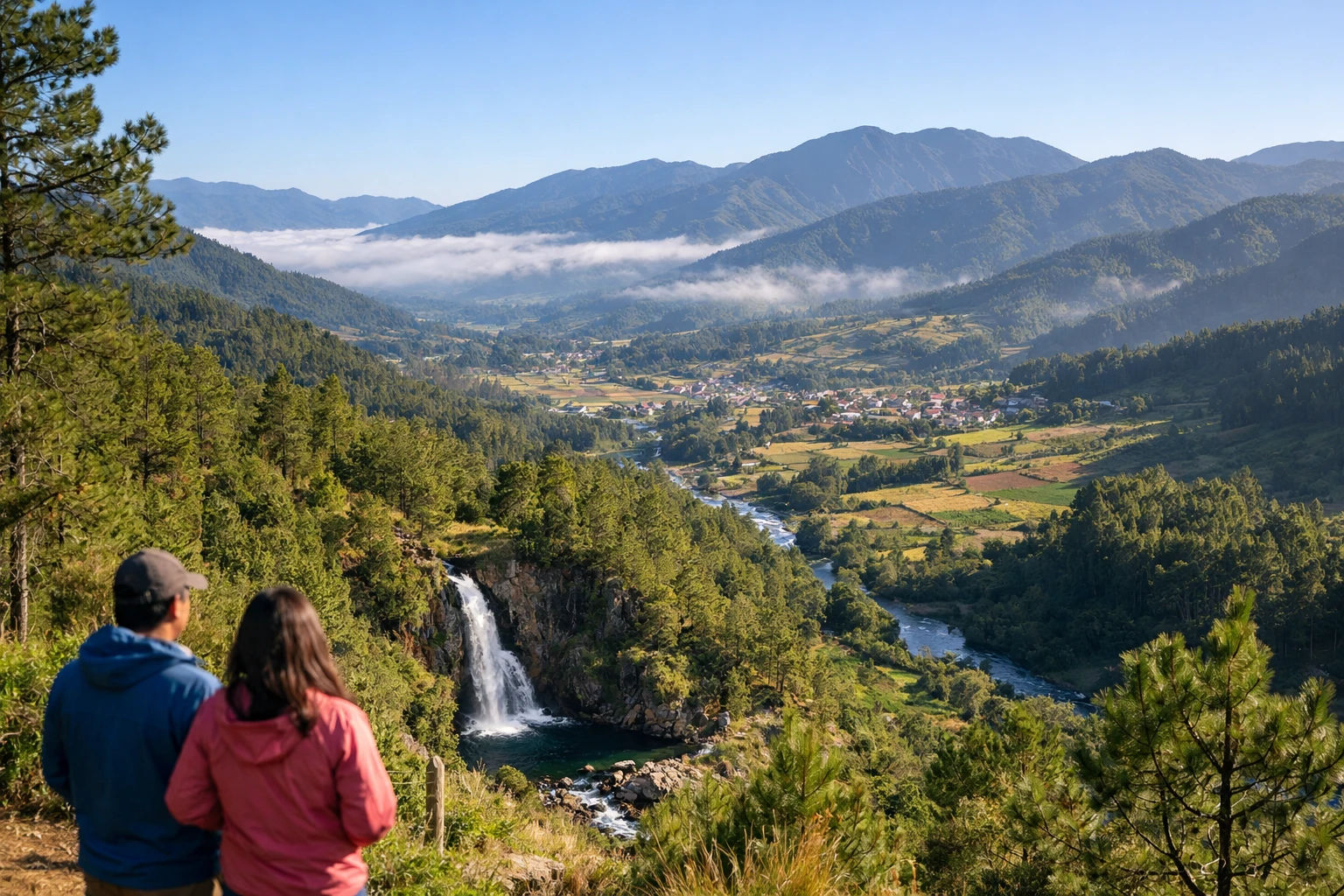
Las Terrenas is another excellent choice for solo travelers, particularly solo women. It has a large French and European expat community, a slower and safer pace than the resort zones, beautiful beaches, and a town center with good restaurants, cafes, and social spaces. The Samaná Peninsula as a whole is considered one of the safer and more relaxed parts of the country.
Santiago de los Caballeros
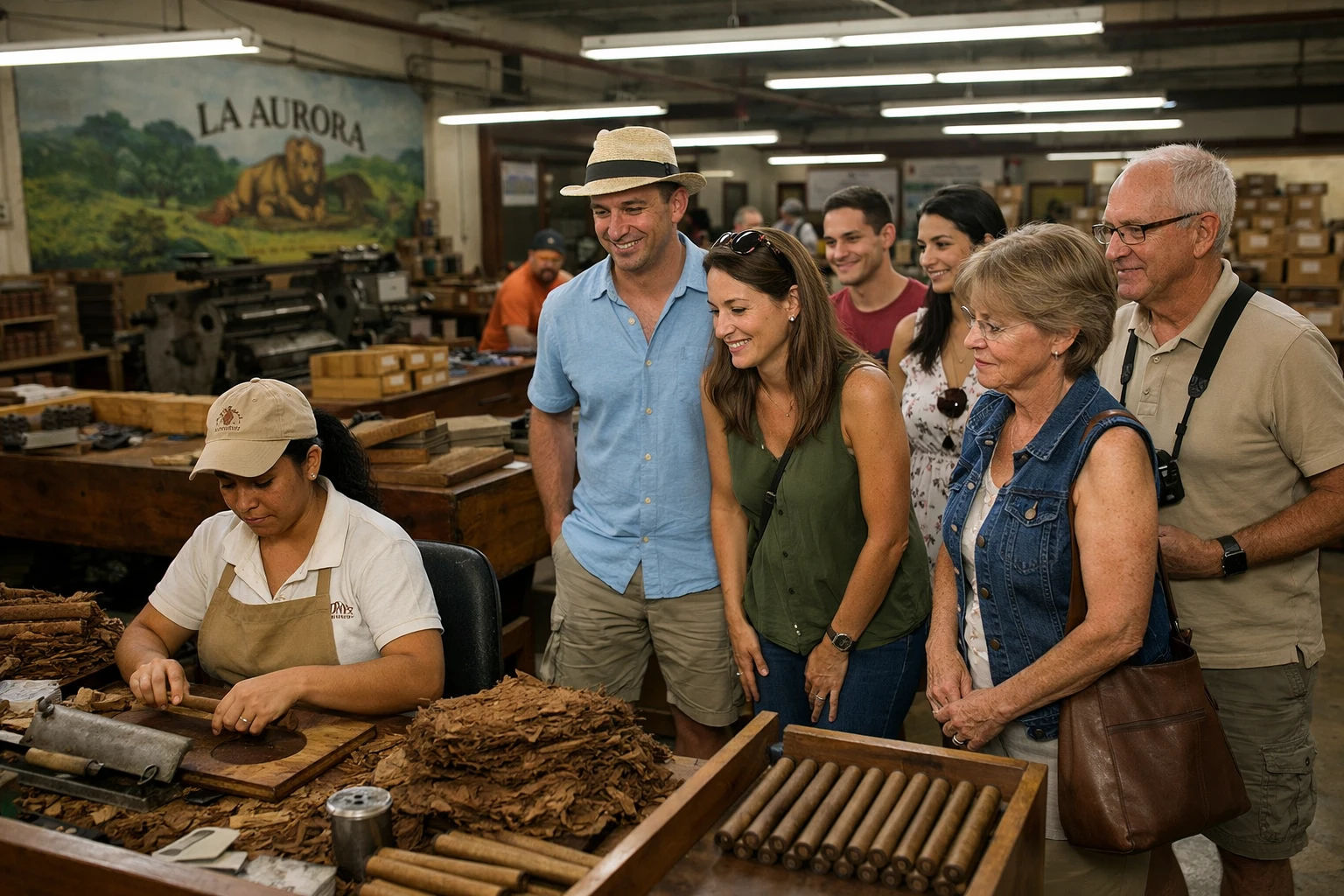
The country's second city is genuinely worth visiting for its culture, food scene, and attractions like the La Aurora Cigar Factory — but it requires more caution than resort areas. Use Uber, stay close to the city center and Calle del Sol area, avoid walking alone at night in residential neighborhoods, and you'll have a great experience. The downtown area around the Monumento is safe enough for confident independent travelers during daylight hours.
Areas to Avoid
- Parts of Santo Domingo outside the Zona Colonial — particularly the northern and western barrios where organized crime is more active
- Poorly lit streets anywhere after dark — this applies across all cities, not just specific zones
- Isolated beaches without other visitors present
- Border areas near Haiti — the State Department specifically advises against travel to border regions due to violence and instability
Transportation Tips
Getting around safely as a solo traveler in the DR comes down to transport choices more than anything else:
- Uber is available in Santo Domingo and Punta Cana and is the safest and most recommended option for solo travelers; it's cheap, tracked, and removes the haggling risk
- Didi and Cabify also operate in major cities as reliable alternatives
- Official tourist taxis (white with CESTUR markings) are safe but always agree on the fare before getting in
- Motoconchos (motorcycle taxis) — widely used by locals and fine during the day in smaller towns; avoid after dark as a solo traveler
- Guaguas (public minibuses) — inexpensive and used by locals; generally safe during daylight hours but crowded and pickpocket-prone in busy urban areas
- Private transfers booked through your accommodation are the most comfortable and stress-free option for airport pickups and longer journeys
Driving is not recommended for first-time visitors. Road conditions, traffic behavior, and the absence of enforced road rules make self-driving genuinely stressful in the DR.
Solo Female Travel Insights
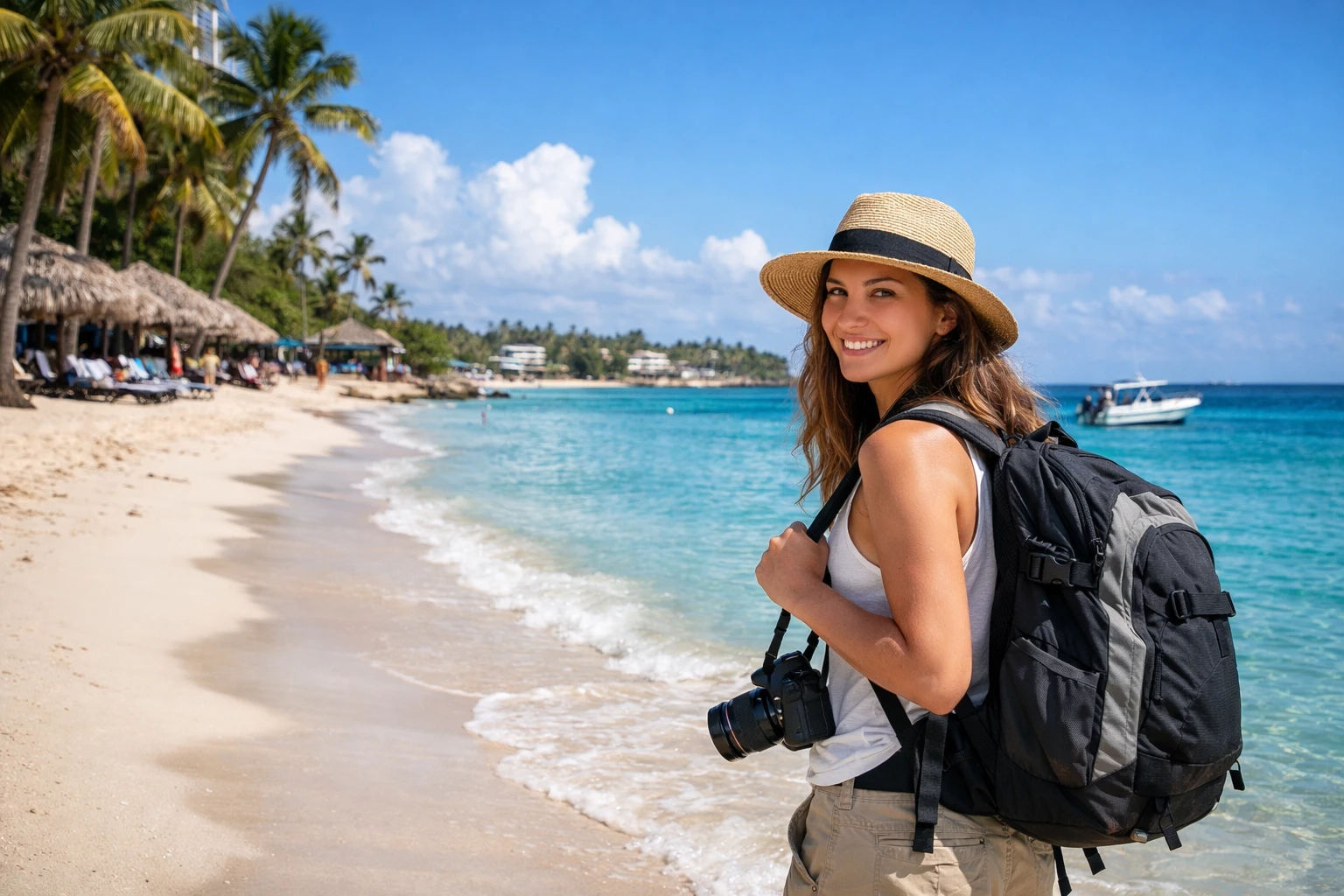
The Dominican Republic is safe for solo female travelers who travel with awareness — but it requires more active management of street-level attention than many Western destinations.
What you should know going in:
- Unwanted verbal attention (piropos) from men is culturally normalized in the DR and is common; it's almost always superficial rather than threatening
- The most effective responses are walking confidently, wearing sunglasses, and simply not engaging; a firm "No, gracias" and maintaining pace works well
- Avoid walking alone on isolated beaches or streets after dark regardless of location
- Cabarete and Las Terrenas have established solo female traveler communities — connect through hostel common areas and Facebook groups before you arrive
- Share your daily itinerary and live location with someone at home via WhatsApp; it's a simple habit that adds genuine peace of mind
- Book the first night's accommodation before landing so you're not navigating airport transport stress and accommodation hunting simultaneously
Multiple solo female travelers report having excellent and genuinely safe experiences across the country, with the most consistent feedback being that Dominicans are warm, social, and genuinely helpful to travelers who treat them with respect.
Scams to Watch For
The DR's most common tourist risks aren't violent — they're transactional:
- Taxi overcharging — always agree on a price before getting in a non-metered cab; Uber eliminates this entirely
- Beach vendors and persistent salespeople — common in tourist areas; a polite but firm "No, gracias" repeated once is sufficient
- Unofficial tour guides — approach with a friendly introduction and offer of help, then request a fee; decline and book tours through your accommodation or a licensed operator instead
- ATM skimming — use ATMs inside banks or hotels rather than standalone street machines; withdraw during business hours when possible
- Counterfeit currency — familiarize yourself with Dominican pesos before arrival; check notes when receiving change
Health and Medical Essentials
- Tap water is not safe to drink anywhere in the DR; bottled water is cheap and universally available
- Dengue fever is present in the DR and outbreaks occur periodically; use insect repellent with DEET, particularly at dawn and dusk
- Travel insurance with emergency medical evacuation is strongly recommended; private hospitals in Santo Domingo and Santiago provide reliable care but upfront payment is often required
- English-speaking medical staff are not guaranteed outside the main tourist hospitals
- Medications — bring a sufficient supply of any prescription medication; availability varies significantly outside major cities
- Sun protection — the Caribbean sun is intense year-round; reef-safe sunscreen, a hat, and hydration habits make a real difference
Why the DR is Worth It
Beyond the precautions, one thing comes through consistently in traveler reviews and expat accounts: Dominicans are genuinely warm, social, and hospitable people. Eating alone at a local comedor frequently results in friendly conversation. Asking for directions typically results in someone walking you partway there. The culture is extroverted and inclusive in a way that makes solo travel feel less isolating here than in many destinations.
"The country's tourism infrastructure is also more developed than its safety reputation suggests."
The DR generated over $8 billion in tourism revenue in 2025 and employs roughly 350,000 people in the sector. The government has strong financial incentive to protect that industry and its visitors, and that commitment is visible in POLITUR's presence across resort areas, beaches, and historic zones.
FAQ
Is the Dominican Republic safe for solo travelers in 2026?
Yes, with appropriate awareness. The US State Department rates it Level 2 (Exercise Increased Caution) — the same rating as France and Germany. Resort areas like Punta Cana, Las Terrenas, and Cabarete are generally very safe. Urban areas including Santo Domingo require more street awareness, particularly after dark.
Is the Dominican Republic safe for solo female travelers?
Yes, though solo women should expect more unsolicited street attention than in many Western countries and should exercise the usual independent female travel precautions: avoid isolated areas after dark, share your itinerary with someone at home, use Uber rather than street taxis, and trust your instincts.
What is the safest area in the Dominican Republic for solo travel?
Cabarete and Las Terrenas are consistently rated the most comfortable and safe areas for solo independent travelers, with established backpacker communities and lower stress levels than the resort zones or major cities. Punta Cana resort zones are the safest for those who prefer a more structured environment.
Is it safe to travel independently in the DR rather than staying at a resort?
Absolutely. Millions of backpackers, digital nomads, and independent travelers visit each year. Independent travel requires more awareness than resort travel but is entirely viable with basic precautions: use Uber, stick to lit areas after dark, keep valuables secured, and research neighborhoods before booking accommodation.
What should I avoid in the Dominican Republic as a solo traveler?
Avoid motoconchos after dark, ATMs on isolated streets, walking alone in unfamiliar city neighborhoods after dark, accepting help from unofficial guides, and any border areas near Haiti. None of these restrictions limit a genuinely rich travel experience — the best of the DR is easily accessible while following all of them.
Do I need travel insurance for the Dominican Republic?
Yes. Private medical care requires upfront payment and English-speaking staff are not guaranteed outside major hospitals. Travel insurance with emergency medical evacuation coverage is strongly recommended for all visitors, solo or otherwise.
Go With Your Eyes Open and You'll Love It
The Dominican Republic is not a destination to avoid — it's a destination to understand. The same common sense that keeps you safe in any Latin American or Caribbean city keeps you safe here, and the reward for applying it is a country of extraordinary warmth, staggering natural beauty, and cultural richness that very few travelers actually get to experience properly. The 11.6 million visitors who came in 2025 didn't make a mistake. Most of them went home wanting to return. With the right preparation, you will too.
Read our full Dominican Republic travel guide, or explore our cultural experiences guide to plan the perfect trip beyond the resort.