Troodos Mountains Cyprus: The Complete Tourist Guide (Not Just a Day Trip)
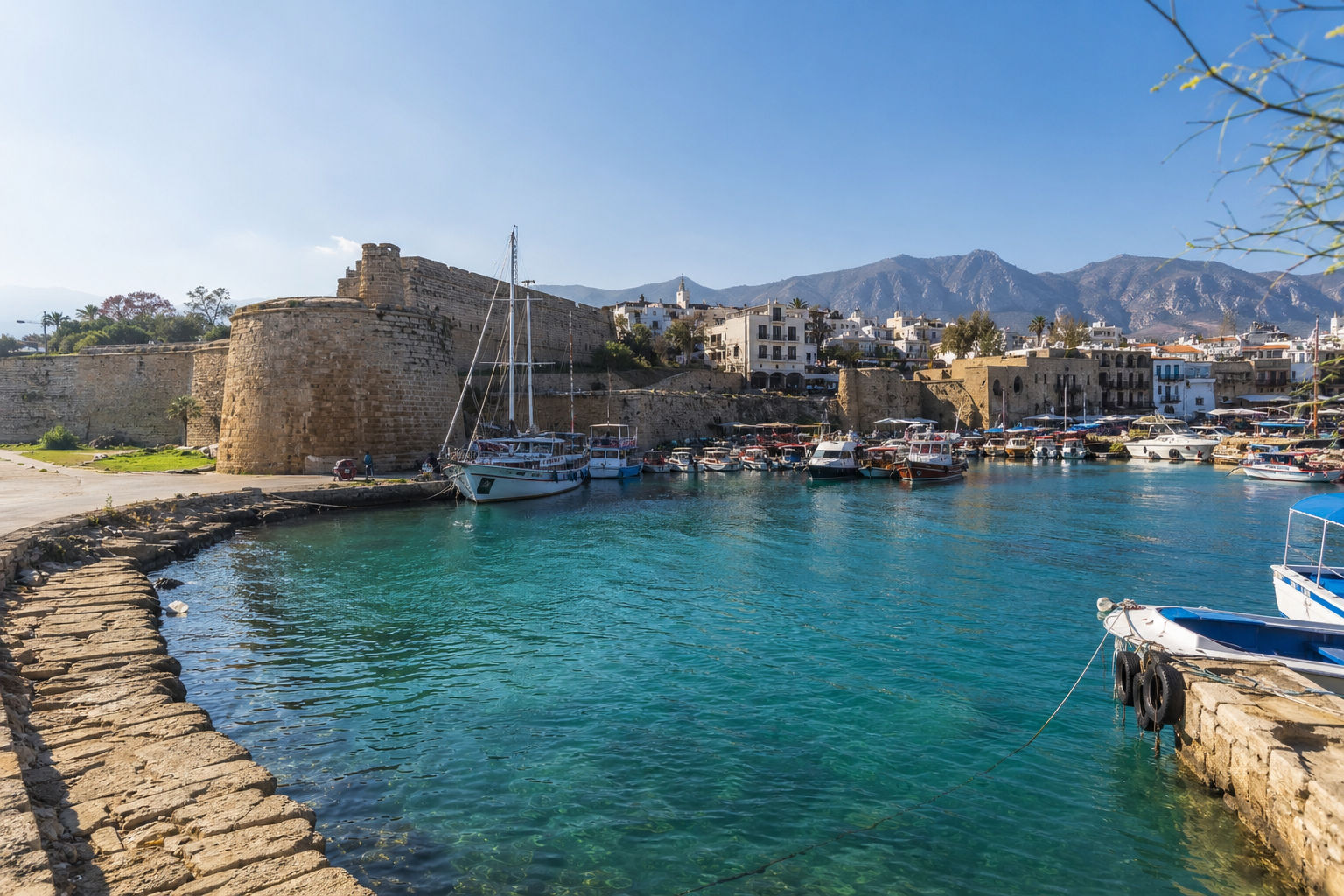
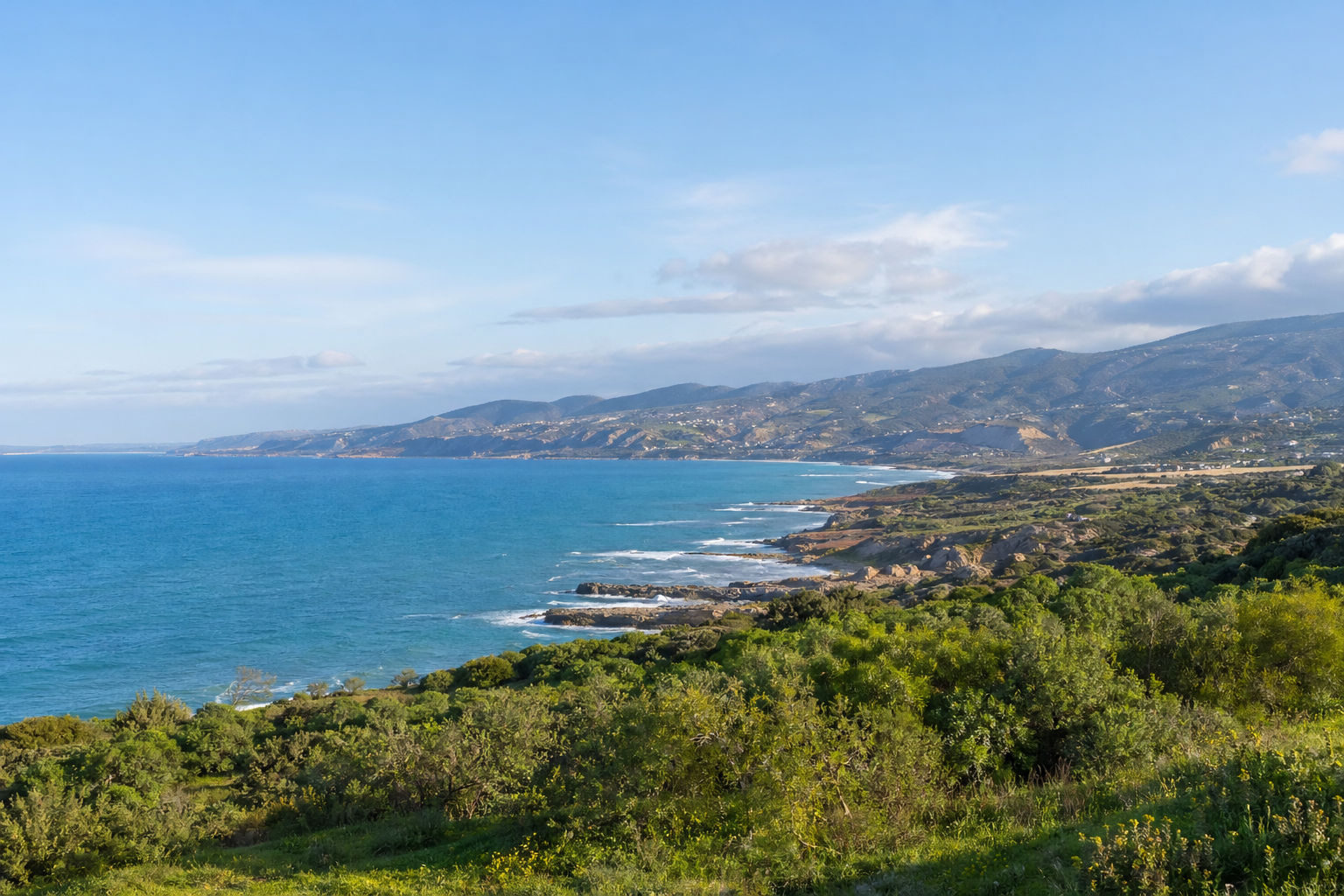
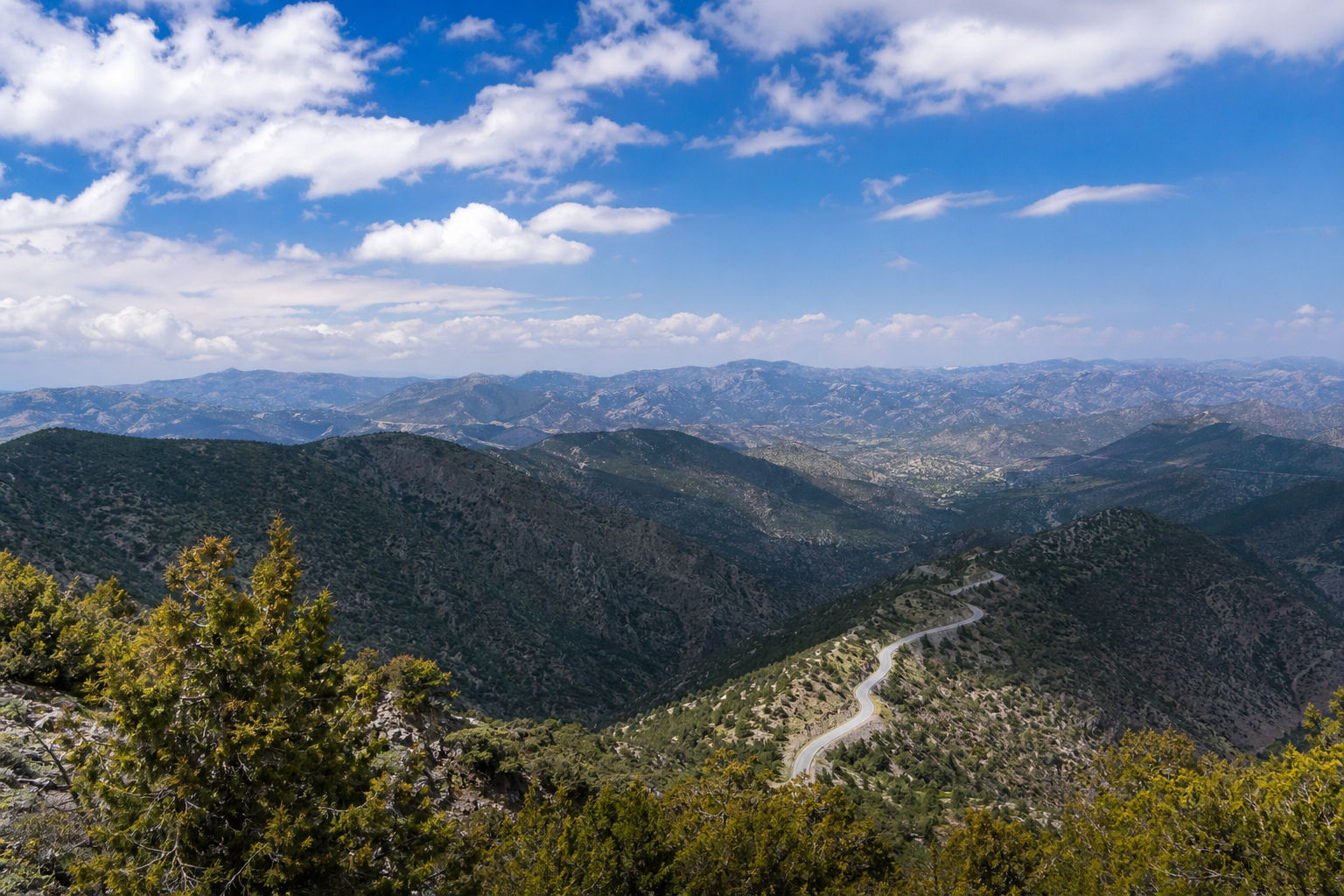
Most people who visit Cyprus spend their entire trip within five minutes of the sea. That's understandable — the Mediterranean coastline is magnificent. But the interior of the island contains a mountain range that covers roughly a third of Cyprus's total land mass, rises to 1,952 metres above sea level, holds ten UNESCO World Heritage Byzantine churches with frescoes that predate the Renaissance by 300 years, supports 50+ official hiking trails covering over 200 kilometres of forest and valley, and produces wine from vineyards at altitude that are making a serious name for themselves internationally. Almost nobody who stays on the coast knows any of this. Here is the complete guide for travelers who want more than a half-day bus excursion.
Beyond a Day Trip
The standard tourist approach to the Troodos Mountains is a day trip from Paphos or Limassol — a coach to Kykkos Monastery, a brief stop in a wine village, and back to the resort by dinner. It gives you a glimpse. It gives you nothing like the full picture.
"The Troodos is a genuinely different Cyprus from the coast: cooler by 6-10°C in summer, green rather than golden brown, and operating on a pace that is more mountain village than Mediterranean resort."
The combination of UNESCO architecture, serious hiking, wine culture, Byzantine history, and traditional Cypriot village life packed into a region most tourists drive through once and never return to is the strongest argument for planning a dedicated two to three-night mountain stay. If you visit in July or August, the mountain's significance doubles — while the coast bakes at 37-40°C, Troodos village sits at around 1,700 metres and rarely exceeds 27°C. The mouflon (a protected wild mountain sheep endemic to Cyprus) graze in the national forest park. The pine forest air carries nothing like the dusty heat of the lowlands. It is, in every sense, a different country within the same island.
The Five Areas
The Troodos region divides into five distinct areas, each with its own character:
- Troodos Village and Mount Olympos — the central hub, at 1,700m the highest continuously inhabited settlement in Cyprus; the main base for hiking and the starting point for most trail networks.
- Marathasa Valley (northwest) — home to Kykkos Monastery and the village of Pedoulas; the most visited and most spiritually significant valley in the region.
- Solea Valley (north) — running from the mountain ridge down toward Kakopetria; contains several UNESCO churches, forested river trails, and the most accessible hiking routes from Nicosia.
- Limassol District Highlands (south) — Platres, Omodos, Lania; the wine village belt, accessible from the south coast; the closest mountain area to Limassol and Paphos.
- Pitsilia (east) — the quietest and most rural section, containing Panagia tou Arakou and the least-visited but most rewarding Byzantine churches; genuine off-the-beaten-track territory for independent travelers.
The UNESCO Painted Churches
The ten Painted Churches in the Troodos Region received UNESCO World Heritage designation in 1985 and expanded in 2001 — not because they are architecturally grand in the conventional sense, but because their interiors contain the most complete and best-preserved collection of Byzantine fresco painting anywhere in the world. These are small, stone-built, pitched-roof churches that look entirely unremarkable from the outside. Step inside and the walls are covered floor to ceiling with narrative fresco cycles painted between the 11th and 16th centuries — every biblical story, saint, and theological concept depicted with a richness of colour and detail that should, by rights, be behind glass in the Louvre.
The ten churches spread across the mountain region and visiting them all requires a car and at least two dedicated days:
The Three You Cannot Miss
Church of Agios Nikolaos tis Stegis (Kakopetria) — an 11th-century monastery church with a unique double roof built over the original Byzantine structure; the interior contains frescoes spanning five centuries of Byzantine artistic development in a single building. The oldest layers, from the 11th century, glow with a deep intensity that modern pigments simply don't produce.
Panagia tou Arakou (Lagoudera, Pitsilia) — considered by Byzantine art scholars to be the finest example of mid-Byzantine fresco painting in Cyprus and one of the most important in the world. Built in 1192 and funded by Leon Afthentis, the interior frescoes were painted in late Comnenian style with a subtlety and elegance that places them in a different category from any other church in the region. They are astonishingly well preserved.
Agios Ioannis Lampadistis Monastery (Kalopanagiotis, Marathasa) — a 13th-century monastery complex on the banks of the Setrachos River, containing a Byzantine church, a Latin chapel, and a narthex; collectively housing frescoes from three distinct artistic periods spanning 900 years. The monastery is still active and the setting — in a village of stone houses by a mountain river — makes the approach as memorable as the interior.
The Full Ten
- Church of Agios Nikolaos tis Stegis, Kakopetria
- Agios Ioannis Lampadistis Monastery, Kalopanagiotis
- Panagia tou Arakou, Lagoudera
- Church of the Archangel Michael, Pedoulas
- Panagia Podithou, Galata
- Agios Sozomenos, Galata
- Timios Stavros, Pelendri
- Panagia Asinou, Nikitari
- Stavros tou Agiasmati, Platanistasa
- Metamorfosis tou Sotiros, Palaichori
Hiking in the Troodos
The Troodos has more than 50 official nature trails covering over 200 kilometres — roughly half of all official hiking trails in Cyprus. Here are the essential routes by difficulty:
Easy Trails
Artemis Trail (7km, circular, 2 hours) — the most popular and most accessible trail in the entire Troodos, running around the rim of Mount Olympos at approximately 1,750m altitude. The circular route passes through dense black pine forest with panoramic views across the mountain range and, on clear days, out to sea. The path is well-maintained and almost entirely flat — it circles the peak rather than climbing it. Perfect for families, first-time hikers, and anyone wanting the mountain air without the elevation work.
Livadi Trail (1.5km, 30 minutes) — the most accessible trail in the network; a flat circular loop through pine forest from Troodos village, suitable for all ages and fitness levels.
Psilo Dentro Nature Trail (3km, 1 hour, from Platres) — a gentle valley trail through old-growth black pine past the island's largest recorded pine tree, descending gently toward the Caledonia Falls path; combines beautifully with the Caledonia Trail as a half-day outing.
Intermediate Trails
Caledonia Trail (3km, 1.5 hours, Platres) — the Troodos's most celebrated waterfall trail, descending from Psilo Dendro (1,200m) to the Caledonia Waterfall — the highest waterfall in Cyprus at 12 metres — and continuing to the Millomeri Falls. The path follows a mountain stream through dense forest and is genuinely beautiful throughout. One-way descent; arrange transport back or return the same route. Bring water and watch the path — it's rocky in sections.
Persephone Trail (7km, 2.5 hours, circular from Troodos village) — a loop trail from Troodos Square descending through a landscape that transitions from black pine forest to mixed woodland, passing viewpoints above the southern valleys with panoramas stretching toward the coast.
Challenging Trails
Atalante Trail (12km, 4 hours, circular) — the longest and most demanding trail in the Troodos network, circling Mount Olympos from below the summit, with sustained sections through dense forest and rocky terrain offering the most complete mountain perspective available on a single trail.
Four Peaks Challenge (multi-day) — a technical long-distance challenge that involves summiting Cyprus's four highest peaks: Kionia (1,447m), Papoutsa (1,554m), Madari (1,613m), and Chionistra/Mount Olympos (1,952m). Requires navigation skills, full mountain gear, and a multi-day commitment. Organised guided versions are available through Limassol-based adventure operators.
Kykkos Monastery
Kykkos Monastery sits 28 kilometres northwest of Troodos village at 1,140 metres in the Marathasa Valley and is the wealthiest, most significant, and most visited monastery in Cyprus. Founded in the 11th century, it houses one of three icons of the Virgin Mary allegedly painted by St. Luke — a claim that gives it a pilgrimage significance comparable to the most revered sites in Orthodox Christianity.
"The architecture is ornate and continually expanded — the current complex bears little resemblance to the original Byzantine structure, having been rebuilt and elaborated over centuries."
The mosaics covering the exterior arcades and courtyard walls are modern but extraordinary in scale. The monastery museum holds an important collection of Byzantine manuscripts, vestments, ecclesiastical gold, and woodwork. From the monastery, a short path leads to the tomb of Archbishop Makarios III — the first president of the Republic of Cyprus, whose grave on the hilltop above is a site of ongoing Cypriot national pilgrimage and offers sweeping views across the cedar forests of the Paphos Forest below.
The Wine Villages
The southern slopes of the Troodos Mountains between Limassol and the mountain ridge form one of the most important wine-producing regions in the eastern Mediterranean, and the village wineries are among the most genuine and least-touristy experiences in Cyprus.
The key villages and what they offer:
Omodos — the most visited wine village in Cyprus for good reason; its cobblestone square, the 13th-century Timios Stavros Monastery at its center, and the cluster of family-run wineries surrounding it combine to make a two-hour village stop that rarely disappoints. Commandaria wine (a sweet, amber-coloured dessert wine made from sun-dried grapes that is among the oldest named wines in the world, dating back to the Crusaders) is produced and served throughout the village.
Agios Amvrosios and Lania — quieter alternatives to Omodos with smaller but more intimate family wineries; Lania in particular has a small colony of artists and artisans that gives it a creative village energy distinct from the more tourist-facing wine villages.
Platres — more resort than wine village but the most convenient Troodos mountain base for travelers arriving from Limassol or Paphos; cool, forested, with several restaurants and the most established accommodation infrastructure in the southern Troodos.
Adventure Activities
Beyond hiking, the Troodos has a growing adventure activity infrastructure:
- Mountain biking — two main trails connect Psilo Dendro to Karvounas (16.2km, easy) and Karvounas to Prodromos (22.7km, medium); both on good surfaces and achievable by intermediate cyclists.
- Rope parks — Sparti Platres Rope Adventure Park and Marina's Adventure Park near Platres offer treetop obstacle courses and zip lines suitable for children from age 6 and adults; book in advance in summer.
- Skiing on Mount Olympos — the Sun Valley ski resort on Mount Olympos operates from roughly January to March depending on snowfall, hosting two beginner runs and two intermediate slopes; Europe's most southerly ski resort and an extraordinary visual experience — skiing in sunshine above a Mediterranean island.
Mountain Villages to Stay In
Kakopetria is the most practical mountain base in the northern Troodos — a well-preserved stone village in the Solea Valley with the best restaurant and accommodation infrastructure in the region outside of Troodos village itself. The old part of town (Palaios Kakopetria) is a labyrinth of medieval stone houses, vine-shaded terraces, and mountain springs; the Agios Nikolaos church is a five-minute walk from the village center.
Kalopanagiotis in the Marathasa Valley is one of the most beautiful and least-visited mountain villages in Cyprus — a settlement of stone houses terraced down a steep valley slope above the Setrachos River, with the Lampadistis Monastery at its heart and a handful of excellent guesthouses in restored traditional buildings. This is the most atmospheric place to stay in the Troodos for travelers who want genuine village immersion rather than hotel comfort.
Platres is the largest and most developed mountain resort town, sitting at 1,100m on the southern slopes, with the most accommodation variety, the closest access to the Caledonia Trail, and the best base for day trips to Omodos and the wine villages.
Practical Information
Getting there:
- From Limassol: approximately 45 minutes to Platres, 1.5 hours to Troodos village.
- From Paphos: approximately 1 hour to Platres via the B6 mountain road.
- From Nicosia: approximately 1.5 hours to Kakopetria via the B9.
A car is essential — public buses serve Troodos from Nicosia and Limassol in summer, but connections between villages, UNESCO churches, and trailheads are impossible without a vehicle. Rental cars from Limassol or Paphos airports start at €25-35 per day.
Where to stay:
- Troodos village guesthouses: €40-70 per night (basic but central to trail networks).
- Platres hotels and guesthouses: €60-120 per night (most variety and amenities).
- Kakopetria village guesthouses: €45-80 per night (best for Solea Valley and northern churches).
- Kalopanagiotis traditional guesthouses: €50-90 per night (most atmospheric; book ahead).
What to bring:
- Solid walking shoes for trail access (trainers are fine for easy trails; hiking boots recommended for Caledonia and longer routes).
- An extra layer regardless of season — the temperature drops quickly after sunset at altitude even in summer.
- Cash for village kafeneions and church keyholders who don't accept cards.
- Offline maps downloaded before leaving WiFi coverage — signal is patchy throughout the range.
When to Visit
- April and May — wildflowers, fresh green forest, cool temperatures (12-20°C at altitude), very few tourists; the best months for hiking and village exploration.
- June through September — the main visitor season; warm, dry, and at least 10°C cooler than the coast; most restaurants and guesthouses fully open; trails can be busy on weekends; excellent hiking weather on weekday mornings.
- October and November — autumn colour, cooler temperatures, harvests in the wine villages; the grape harvest (September-October) brings festivals to Omodos and several other villages.
- December through March — skiing season on Mount Olympos; the villages have a beautifully quiet, cold character; many smaller guesthouses close; the UNESCO churches remain open year-round.
FAQ
How many days do you need in the Troodos Mountains?
Two to three dedicated nights gives you enough time to cover the key hiking trails, three or four UNESCO churches, Kykkos Monastery, and a wine village properly without rushing. A single day trip from the coast gives you a surface-level impression; two nights gives you the real experience.
Do you need a car in the Troodos Mountains?
Yes, without exception. Public buses run from Nicosia and Limassol to Troodos village and Platres in summer, but the UNESCO churches, most wine villages, and the majority of trailheads require a car to access efficiently. Rental cars from Paphos and Limassol airports start at €25-35 per day.
What is the best hiking trail in the Troodos for beginners?
The Artemis Trail — a 7km circular route around the rim of Mount Olympos at 1,750m — is the best combination of accessibility, scenery, and genuine mountain atmosphere for hikers of all fitness levels. Almost entirely flat, well-maintained, and through dense pine forest with panoramic views throughout.
What are the Painted Churches of the Troodos?
Ten Byzantine churches and monasteries listed as a UNESCO World Heritage Site, containing the most complete and best-preserved collection of Byzantine fresco painting in the world. The interiors are extraordinary by any measure; Panagia tou Arakou and Agios Nikolaos tis Stegis are the most important.
Can you ski in Cyprus?
Yes — the Sun Valley ski resort on Mount Olympos operates January to March (snowfall dependent) with two beginner and two intermediate runs. It is the most southerly ski resort in Europe and one of the world's more unusual skiing experiences — warm sunshine, a Mediterranean island visible below, and a short drive back to sea level.
Is it possible to visit the Troodos from Paphos or Limassol as a day trip?
Yes but with limitations. Platres is about 45 minutes from Limassol and Kykkos is achievable as a long day from Paphos. A day trip gives you one or two highlights. An overnight stay transforms the experience — you access trail mornings before the day-tripper coaches arrive, the villages in the evening after tourists leave, and the churches at the specific times keyholders are available.
The Best of Cyprus Is Altitude Above Sea Level
The travelers who discover the Troodos Mountains on their first Cyprus visit almost always say the same thing: why did nobody tell me about this? The answer is that it doesn't fit the Cyprus promotional narrative of blue seas and golden beaches, so it never makes the brochure. But for travelers who want Byzantine art that would make any European museum weep with envy, pine-forested trails genuinely free of crowds, wine from vineyards older than most countries, and summer temperatures that make outdoor activity a pleasure rather than an endurance test — the Troodos is one of the great undersung destinations in the entire Mediterranean. Two nights. A car. Good shoes. The church at Lagoudera to yourself on a Tuesday morning. You'll come back to the coast a different person.
Explore more Cyprus travel guides on IsleRush, including our North Cyprus guide, solo travel safety guide, and island beaches round-up.