Cyprus in Winter: The Best Time to Visit
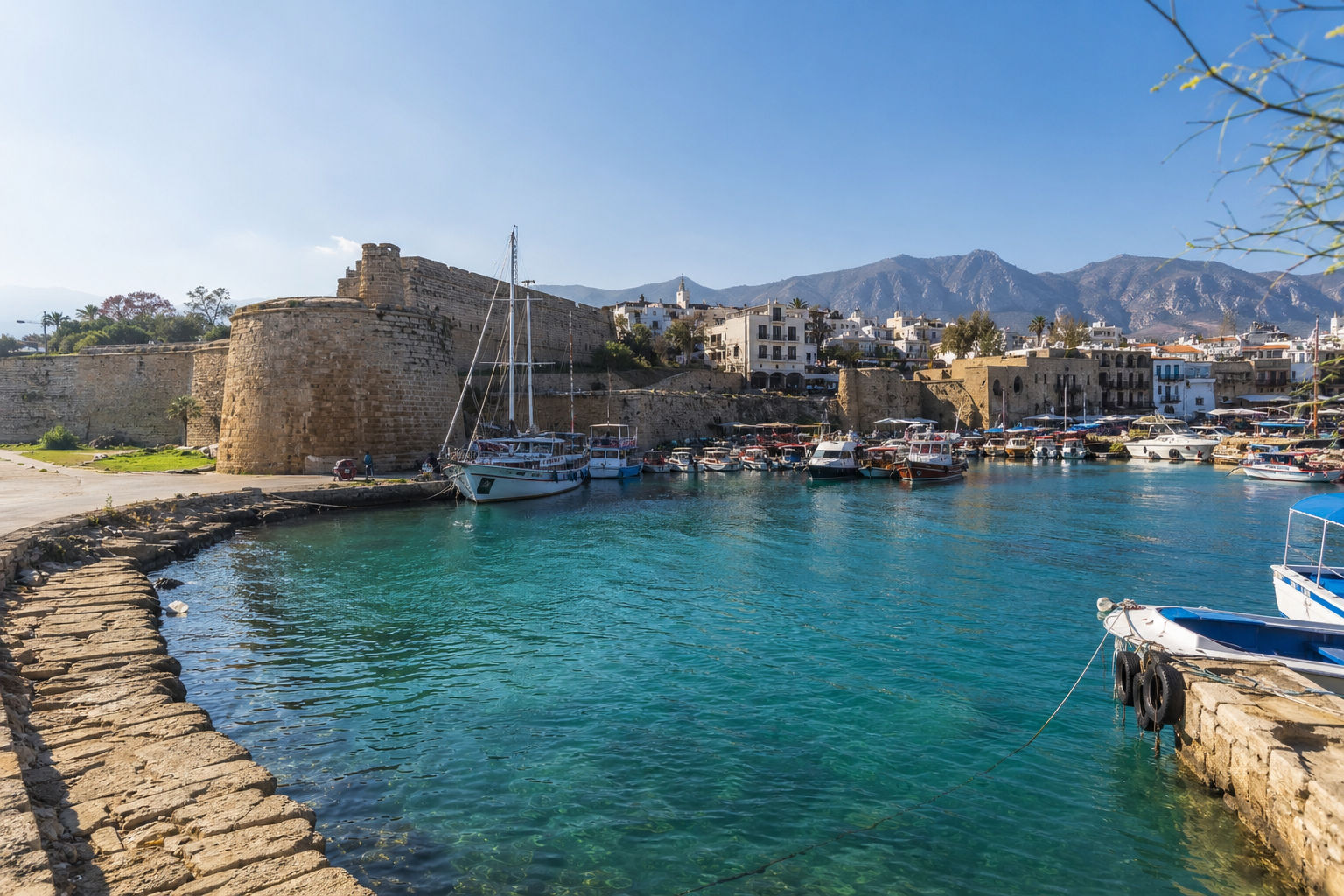
The conventional wisdom about Cyprus is that summer is when you go. July and August flights are booked months in advance, resort hotels charge peak rates, and the coast turns into a queue of sunbeds. Meanwhile, December through February delivers daytime temperatures of 17-20°C on the coast, five or six hours of sunshine on a normal January day, empty archaeological sites, cheaper flights, cheaper hotels, green Troodos Mountains covered in wildflowers, and restaurants full of locals rather than tour groups. The travelers who discover Cyprus in winter almost universally say the same thing: they're never going back in summer.
"The travelers who discover Cyprus in winter almost universally say the same thing: they're never going back in summer."
The Weather: What You Get
Cyprus has the warmest winters of any island in the Mediterranean. Average coastal temperatures by month:
- October: 26°C daytime, 17°C night, 8-9 hours of sunshine
- November: 22°C daytime, 13°C night, 6-7 hours of sunshine
- December: 17-18°C daytime, 8-10°C night, 5-6 hours of sunshine
- January: 16-17°C daytime, 7-9°C night, 5-6 hours of sunshine
- February: 17-19°C daytime, 8-10°C night, 6 hours of sunshine
- March: 19-21°C daytime, 10-12°C night, 7 hours of sunshine
For context, London averages 8°C in January. Edinburgh averages 6°C. Stockholm averages -1°C. Cyprus in January averages 16-17°C with five hours of daily sunshine, meaning outdoor lunches, coastal walking, and cultural sightseeing in shirtsleeves are entirely realistic on most days. Locals wear coats. Visitors from Northern Europe consistently find the temperature fine for everything except swimming.
Winter vs. Summer: Six Reasons to Visit
No Crowds
This is the single biggest practical advantage and it's difficult to overstate. The Tombs of the Kings in Paphos in July: queues, guided groups, heat radiating off stone in 38°C sun. The Tombs of the Kings in January: you and the curator and whatever birds are in the pines above. The same applies to Kourion, the Paphos Archaeological Park, the Troodos UNESCO churches, the Kykkos Monastery, and every significant historical site on the island.
"UNESCO World Heritage sites experienced in near-solitude are a categorically different and better experience from fighting for a clear photograph through a crowd."
Lower Accommodation Costs
Winter pricing on Cyprus is meaningfully lower than summer across all accommodation categories. A four-star seafront hotel in Limassol or Paphos that runs €150-200 per night in August regularly comes in at €80-110 in January. Self-catering apartments available for €50-70 per night in winter cost €90-130 for the same dates in peak season. Car hire rates drop similarly.
Perfect for Outdoor Activities
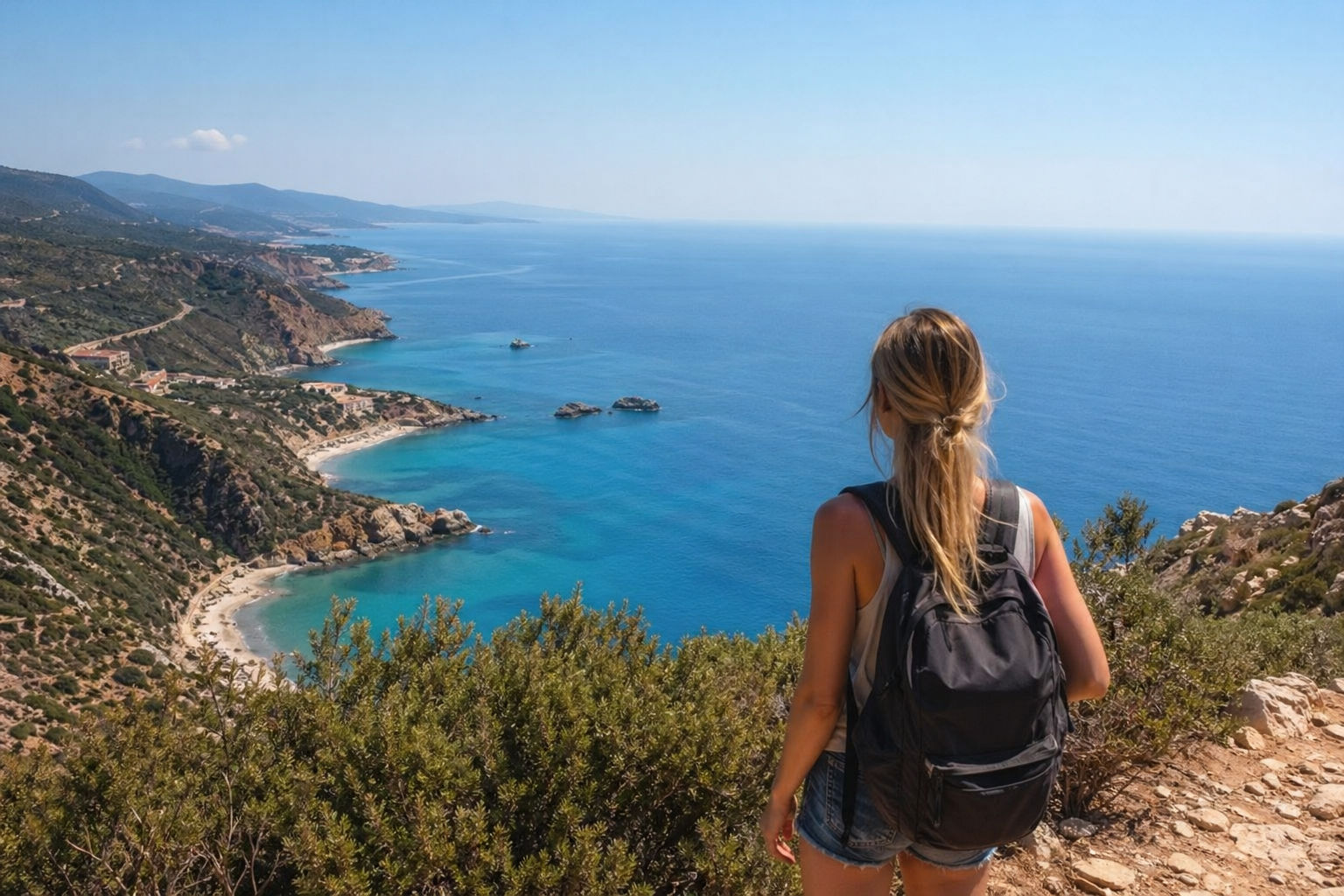
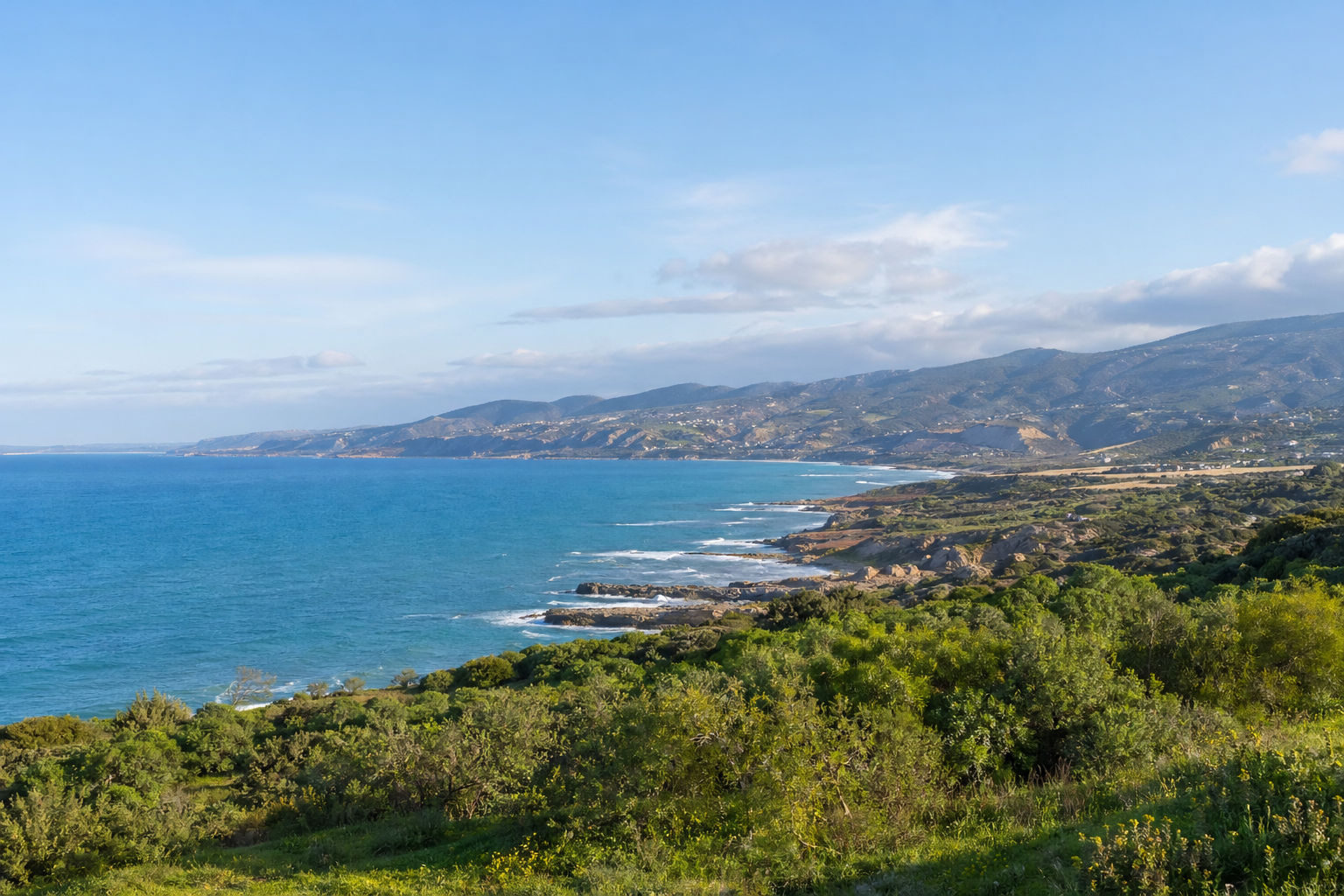
Summer in Cyprus is genuinely hostile to outdoor activity. At 37-40°C with high humidity on the coast, sightseeing between 11am and 4pm is endurance exercise rather than enjoyment. Winter removes all of this. The Troodos Artemis Trail, the Caledonia Falls walk, the Akamas Peninsula coastline, the Paphos Archaeological Park -- all are done in 16-20°C with a light breeze, at any hour of the day.
Local Dining Experience
Summer Cyprus restaurants gear themselves toward fast-moving tourist tables -- English-language menus, quick service, dishes calibrated for the broadest possible international taste. Winter tavernas are full of Cypriot families, local workers, and the kind of kitchen that doesn't need to simplify its meze because the people ordering it grew up eating it.
Troodos Mountains in Bloom
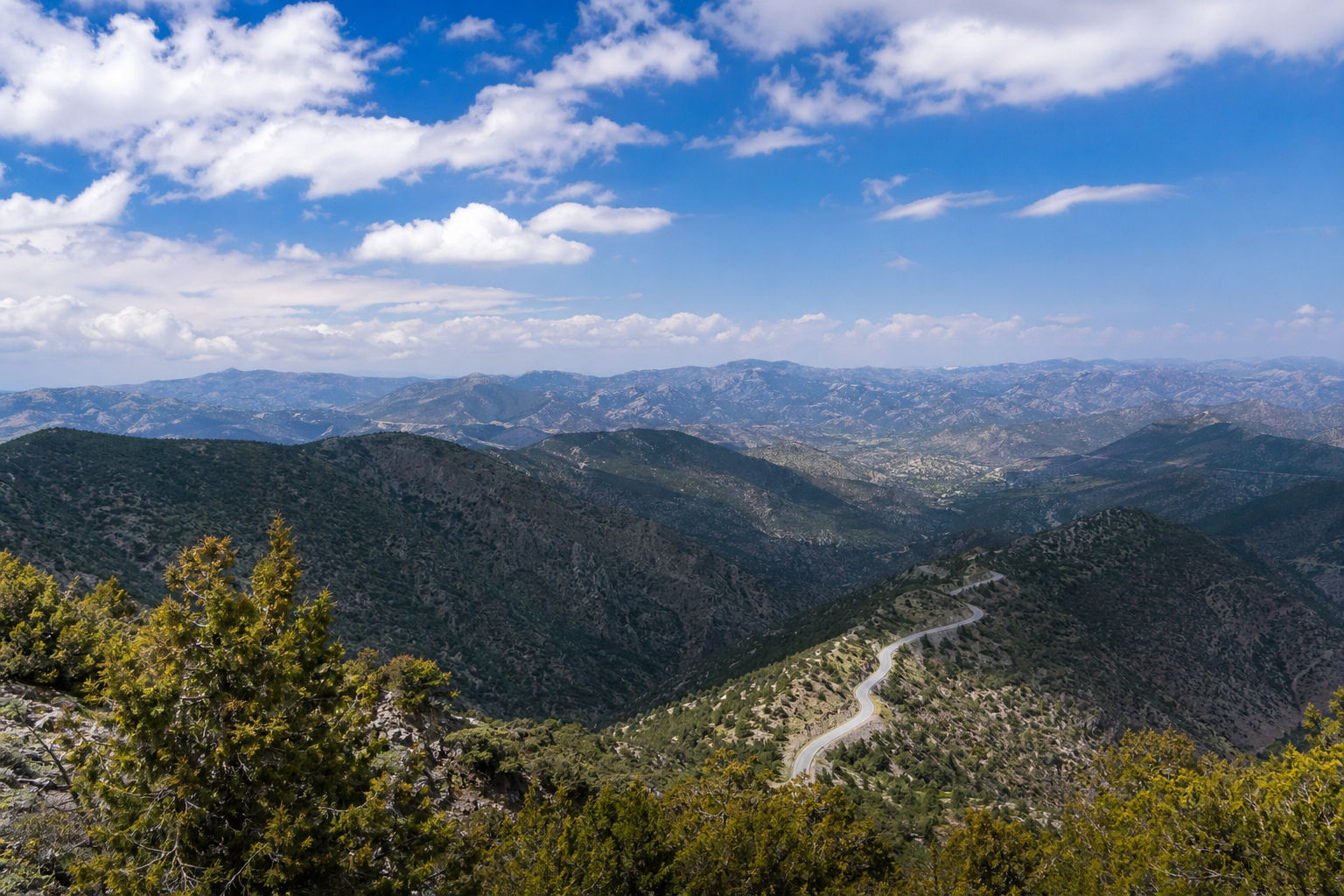
The Troodos in summer is pleasant -- green, shaded, cooler than the coast. The Troodos in late winter and early spring is extraordinary. From late February through April, the mountain slopes are covered in wild cyclamen, anemones, peonies, and over 40 species of endemic orchid. Wildflowers fill the valley floors and roadsides.
Skiing and Sea Views
This is the point that converts people. Between December and March (snowfall dependent), the Sun Valley ski resort on Mount Olympos at 1,952 metres operates with beginner and intermediate ski runs. The same week where you ski in the morning can include a swim (brave) or coastal walk in the afternoon at sea level.
"It is genuinely the only place in Europe where you can ski and see the sea simultaneously."
Month by Month: Winter Cyprus
October
Not technically winter but the first shoulder-season month and genuinely excellent. Sea temperature still around 24-25°C -- warm enough for swimming. Daytime temperatures of 26-28°C. Tourist numbers dropping but most restaurants and attractions fully open. Autumn light is extraordinary, particularly golden hour at Kourion's clifftop amphitheatre and the Paphos harbour.
November
The transition month -- temperatures cooling to a comfortable 20-22°C, intermittent rain beginning, tourist infrastructure entering off-season mode. The travelista.net account of a November visit records 26°C sunshine on arrival -- warmer than average but entirely realistic.
December
The most characteristically "winter" month but still mild by European standards. Daytime temperatures of 16-18°C on the coast, five to six hours of sunshine on clear days, and the Troodos Mountains getting their first serious cold spells and potential snow. Christmas in Cyprus is celebrated with a warm authenticity that differs from the Northern European commercial version.
January
The statistical cold peak but still comfortable by mainland European standards. Average 16-17°C during the day with five hours of sunshine. This is the month when Cypriot almond trees bloom -- the entire island is covered in pink and white blossom from late January, particularly in the areas around Polis and the Paphos Forest.
February
Almond blossom peaks and the first wildflowers of spring appear. Temperatures beginning to rise to 17-19°C on the coast. The Troodos wildflower season starts in earnest in late February with cyclamen and anemones. Carnival (Apokreo) takes place in the week before Lent, with the most spectacular celebrations in Limassol.
March
The transition into spring and arguably the single best month to visit Cyprus. Temperatures rising to 19-21°C on the coast. Wildflowers at their peak in the Troodos, Akamas Peninsula, and the Paphos Forest -- including the extraordinary display of over 40 endemic orchid species that bloom across the mountain slopes.
Unique Winter Experiences
- Limassol Carnival (February/March) -- one of the oldest and best-attended carnival celebrations in the eastern Mediterranean; two weeks of events culminating in the Grand Carnival Parade through Limassol's seafront streets.
- Almond blossom (late January through February) -- the pink and white blanket of blossom that covers the hillsides around Polis, the Paphos Forest, and the Limassol wine villages is an annual phenomenon comparable to Japan's sakura season.
- Wild orchid season (February through April) -- 40+ species of endemic orchid bloom across the Troodos slopes and Akamas Peninsula.
- Green Monday (Kathari Deftera, March) -- the first day of Orthodox Lent is a public holiday celebrated with kite-flying on hilltops and picnics of traditional Lenten foods.
- Skiing on Mount Olympos -- December through March; the experience of skiing above the Mediterranean on Europe's most southerly ski resort.
Winter Limitations
Winter Cyprus is exceptional but not unlimited:
- Swimming -- the sea temperature drops to 16-18°C from December through February; manageable for the determined but not comfortable for casual swimming.
- Some seasonal businesses close -- a small number of restaurants and beach clubs in the most resort-heavy areas close for winter; Paphos, Limassol, and Nicosia are unaffected.
- Shorter daylight hours -- December and January days are shorter, limiting the afternoon outdoor window.
- Occasional rain -- December through February brings the island's annual rainfall; not persistent or heavy by Northern European standards.
Practical Tips for Winter Travel
- Base yourself in Paphos or Limassol -- both cities are fully operational year-round, have year-round flight connections, and offer the best combination of cultural depth and coastal access in winter.
- Book a mountain day -- the Troodos in winter with wildflowers and possible snow is a different experience from the summer version.
- Hire a car -- more important in winter than summer because public transport connections are reduced.
- Pack layers rather than just warmth -- midday temperatures on a sunny winter day can genuinely reach 20°C+ while morning and evening drop to 8-10°C.
- Book restaurants without reservations -- in winter you can walk into almost any restaurant on the island without a reservation.
- Plan archaeological sites for midday -- in winter, midday is the warmest and brightest part of the day and the ideal time for open-air archaeological sites.
FAQ
Is Cyprus warm enough to visit in winter?
Yes. Coastal daytime temperatures average 16-19°C from December through February with five to six hours of sunshine daily. It is one of the warmest winter destinations in Europe.
Does it snow in Cyprus in winter?
Snow falls on Mount Olympos and the upper Troodos Mountains (1,500m+) from December through March in most years, supporting a small ski resort.
When is the cheapest time to visit Cyprus?
January and February are the cheapest months for flights and accommodation, with hotels running 30-40% less than peak summer rates.
What is there to do in Cyprus in winter?
Everything except comfortable sea swimming -- hiking in the Troodos, visiting archaeological sites without crowds, wine village exploration, the Limassol Carnival in February, wild orchid and almond blossom season, skiing on Mount Olympos.
What is the best winter month to visit Cyprus?
March is arguably the finest month overall -- wildflowers at peak in the Troodos, temperatures rising to 19-21°C, the island still quiet.
Can you swim in the sea in Cyprus in winter?
The sea temperature drops to 16-18°C in January and February -- cold but swimmable for the determined, comfortable for wetsuits.
Stop Waiting for Summer
The best-kept secret in Mediterranean travel is that Cyprus's low season is many travelers' favorite season. The light is softer. The tavernas are better. The mountains are green. The archaeological sites are yours. The hotels are cheaper and the staff have time to actually talk to you. Almond blossom covers the hillsides in late January. Wild orchids cover the Troodos in March. The Limassol Carnival fills the streets in February. And on a clear January morning at Kourion's clifftop theatre, with the Roman columns catching the winter sun and the Mediterranean spread below and not another visitor in sight, you understand why the people who discover Cyprus in winter almost never go back in summer. They've found the better version.
Explore more Cyprus travel guides on IsleRush, including our Troodos Mountains guide, North Cyprus travel guide, and solo travel safety guide.