
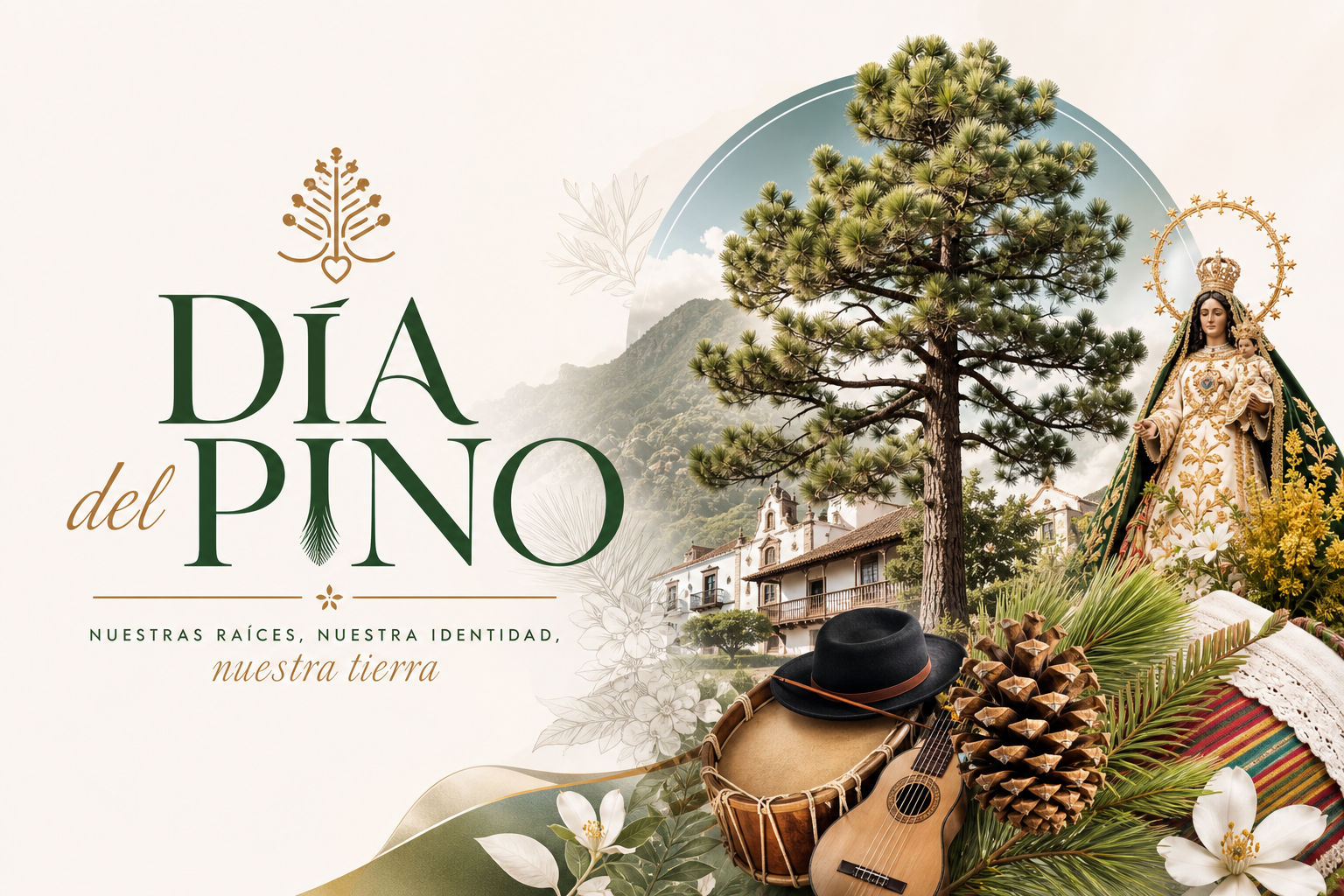
Día del Pino 2026 Canary Islands: The Essential Guide to Gran Canaria’s Most Solemn and Historic Feast Day
As the warm summer weather begins to shift in the Canary Islands, the island of Gran Canaria enters a period of intense cultural and historical reflection. While the beaches remain sun-drenched and popular, the spiritual and institutional heart of the island beats in the cool, green mountains. The most important date on the island's annual calendar is the Día del Pino 2026 Canary Islands, which takes place on September 8, 2026. Celebrated as an official public holiday across the entire island of Gran Canaria, this solemn feast day honors the Virgen del Pino, the patron saint of both Gran Canaria and the Diocese of the Canary Islands.
For travelers, history enthusiasts, and event seekers visiting the Canary Islands in early autumn, the Día del Pino offers a unique contrast to the lively, informal celebrations of the preceding days. While the night of September 7 is marked by the energetic pilgrimage of thousands of people walking to the town of Teror, September 8, 2026, is a day of deep institutional solemnity, religious devotion, and military pageantry. It is a day where centuries-old traditions are displayed, offering a fascinating look into the history and civic identity of the Canarian people.
"The most important date on the island's annual calendar is the Día del Pino 2026 Canary Islands."
Historical Devotion
The cultural significance of the Virgen del Pino is rooted in a tradition that spans more than five centuries. According to historical records and religious lore, the origin of this devotion dates back to September 8, 1481, when an image of the Virgin Mary was reportedly seen in the branches of a giant pine tree in the ancient, dense forest that once covered the central heights of Gran Canaria.
The apparition occurred during a critical period of Spanish integration in the Canary Islands, and the site quickly became a central focus of faith for the island's population. The town of Teror grew around this sacred pine tree, eventually earning the official title of Villa Mariana, or Marian Town.
"The town of Teror grew around this sacred pine tree, eventually earning the official title of Villa Mariana."
Devotion to the Virgin was not limited to local worship. In times of severe crisis, such as droughts, agricultural plagues, or disease epidemics, the statue of the Virgin was historically transported in a solemn procession down to the capital city of Las Palmas de Gran Canaria to pray for divine protection. Over time, these pilgrimages established the Virgen del Pino as the protective patroness of the island, and the annual celebration on September 8 became the central focus of Gran Canaria's religious identity.
The Captain General
One of the most fascinating aspects of the Virgen del Pino is her official military title. She is recognized not only as a religious protector but also as the Patroness and Captain General of the Spanish Army in the Canary Islands.
This historic military connection dates back to the late sixteenth century. In 1599, when Dutch naval forces led by Admiral Pieter van der Does attacked Gran Canaria, local militia units placed themselves under the protection of the Virgen del Pino before marching to the Battle of El Batán. Following their victory over the invaders, the connection between the military and the sanctuary in Teror became permanent.
"She is recognized not only as a religious protector but also as the Patroness and Captain General of the Spanish Army in the Canary Islands."
The military relationship was officially recognized in 1929, when King Alfonso XIII signed a royal decree granting the Virgen del Pino the rank of Captain General of the Spanish Army. During the annual celebrations on September 8, 2026, this military connection is highlighted through formal honors, parade marches, and the presence of high-ranking officers, making it a unique spectacle that blends state, military, and church traditions.
Solemn Ceremonies
The Día del Pino on September 8, 2026, features a structured schedule of civic and religious events that draw massive crowds to the historic center of Teror.
The official proceedings begin in the mid-morning with the formal reception of the representative of His Majesty the King. Because Teror is a Villa Mariana of great historical importance, the Spanish royal family is traditionally represented at the event, usually by the President of the Canary Islands Government. The representative is received at the historic Casa de los Patronos, located on the main square.
Following the reception, the focus shifts to the military parade, a key highlight of the day. A Company of Honors from the Regimiento de Infantería "Canarias" 50, one of the oldest active infantry units in Spain, performs a formal march in front of the Basilica of Nuestra Señora del Pino. Accompanied by the Banda de Guerra of the Brigada Canarias XVI and the Music Unit of the Canary Islands Air Command, the military units pay formal tribute to the Virgin and the royal representative, creating a stirring display of color and sound.
Once the military honors conclude, the concelebrated Solemn Mass begins inside the Basilica. Presided over by the Bishop of the Diocese of the Canary Islands and attended by local civil, military, and religious leaders, the mass is a deeply spiritual service broadcasted across the archipelago.
The day culminates in the solemn procession of the Virgen del Pino. The carved statue of the Virgin is carried on a silver platform through the historic streets of the town center. A particularly moving tradition during the procession is the petalada, where thousands of fresh rose petals are thrown from the wooden balconies of the historic houses as the statue passes, particularly along the Calle Real de la Plaza. The sight of the Virgin moving through a shower of petals under the afternoon sun is one of the most iconic images of the Canary Islands.
Exploring Teror
Attending the Día del Pino provides an excellent opportunity to experience the distinct cultural and natural attractions of Teror.
The town center is famous for its well-preserved colonial architecture. The Calle Real de la Plaza, the main street leading to the Basilica, is lined with colorful historic houses featuring traditional, hand-carved Canary Island pine balconies. Walking through this historic quarter feels like stepping back in time, offering a quiet, beautiful setting for photography and exploration.
Teror is also celebrated for its distinct gastronomy. The most famous local product is Chorizo de Teror, a soft, spreadable pork sausage seasoned with garlic, white wine, and paprika. It is a local tradition to enjoy a bocadillo de chorizo, a fresh bread roll spread with this sausage, alongside a cup of local coffee. Another seasonal specialty is morcilla dulce, a sweet black pudding prepared with almonds and raisins. These delicacies are available at local butcher shops, cafes, and the traditional markets surrounding the Basilica.
For nature lovers, Teror is surrounded by spectacular hiking trails. The recently restored El Álamo trail takes walkers through a lush green ravine, utilizing wooden stairs and bridges to connect the rural countryside with the historic center. Hiking this trail offers a refreshing way to experience the mountainous landscape of Gran Canaria before joining the town's historic celebrations.
Practical Visitor Guide
To ensure a comfortable and safe experience during the Día del Pino on September 8, 2026, visitors should keep a few practical guidelines in mind.
The intercity green buses, operated by Global, offer special high-frequency schedules on September 8, 2026. Buses run continuously from the San Telmo station in Las Palmas de Gran Canaria, as well as from neighboring towns like Arucas and San Mateo, providing a convenient and stress-free way to reach the festivities.
Second, prepare for the mountain weather. Teror is located in the interior highlands of Gran Canaria, where the weather can be significantly cooler and damp compared to the coastal resorts. The region is subject to the panza de burro, a thick layer of clouds that often blankets the northern slopes. It is recommended to bring a light, windproof jacket or sweater, even if the coast is sunny and warm.
Finally, secure your accommodations early. While many visitors travel to Teror as a day trip, staying in a local rural cottage or guesthouse allows you to experience the town's peaceful charm once the major crowds depart. Booking your lodging by early spring is essential to ensure availability during the busy September holiday week.
Experience Gran Canaria's Heritage
The Día del Pino is far more than a simple public holiday; it is a living connection to the history, faith, and identity of the Canary Islands. The sound of the military band, the solemnity of the concelebrated mass, the rain of rose petals falling from wooden balconies, and the shared reverence of the crowd create an atmosphere of profound beauty. Experiencing this historic event offers an unforgettable look into the cultural heart of the archipelago. As September 8, 2026, approaches, the Villa Mariana of Teror prepares to open its doors to the world once again, inviting visitors to share in a tradition that has defined Gran Canaria for centuries. Plan your journey, respect the local customs, and prepare to witness one of the most beautiful and historic celebrations of the Atlantic.
Verified Information at a Glance
- Event Category: Religious, Civic, and Military Patronage Festival
- Holiday Date: September 8, 2026 (Tuesday)
- Main Venue: Plaza del Pino and Basilica of Nuestra Señora del Pino, Teror (Gran Canaria, Canary Islands)
- Admission Cost: 100% Free (Public event open to the general public)
- Royal Representation: President of the Canary Islands Government (representing H.M. the King of Spain)
- Military Participation: Regimiento de Infantería "Canarias" 50, Banda de Guerra of the Brigada Canarias XVI, and Canary Islands Air Command
- Key Landmarks: Basilica of Nuestra Señora del Pino, Casa de los Patronos, Calle Real de la Plaza, and El Álamo trail
- Transport Services: Global Intercity Bus Services (High-frequency round-the-clock service from Las Palmas de Gran Canaria)
Frequently Asked Questions
History of the Día del Pino
The Día del Pino honors the Virgen del Pino, the patron saint of Gran Canaria and the Diocese of the Canary Islands. The devotion began on September 8, 1481, following the reported apparition of the Virgin Mary in the branches of a large pine tree in Teror. The town grew around the site, and the feast day became the most important annual holiday on the island.
Unique Events on September 8, 2026
The day is marked by deep solemnity and official protocols. Key events include the reception of the Spanish royal representative at the Casa de los Patronos, a formal military parade featuring the Regimiento de Infantería "Canarias" 50, a concelebrated Solemn Mass inside the Basilica, and a grand religious procession where the statue of the Virgin is carried through streets showered with rose petals (the petalada).
Military Title of the Virgen del Pino
The Virgen del Pino was officially declared the Captain General of the Spanish Army in the Canary Islands by a royal decree signed by King Alfonso XIII in 1929. This honor dates back to 1599, when local militias successfully defended the island against a Dutch invasion after placing themselves under the Virgin's protection before the Battle of El Batán.
Getting to Teror for the Día del Pino
Driving a private car is highly discouraged due to road closures and lack of parking in Teror. The recommended option is to use public transportation. The green Global buses run frequent, dedicated holiday services directly to Teror from the San Telmo bus terminal in Las Palmas de Gran Canaria and other northern municipalities like Arucas.
Culinary Specialties of Teror
Teror is famous for Chorizo de Teror, a soft, spreadable garlic sausage seasoned with paprika, typically eaten in a fresh bread roll (bocadillo de chorizo). Other popular local items include morcilla dulce (sweet black pudding with almonds and raisins) and fresh Pan de Teror bread, all widely available at the local markets.