
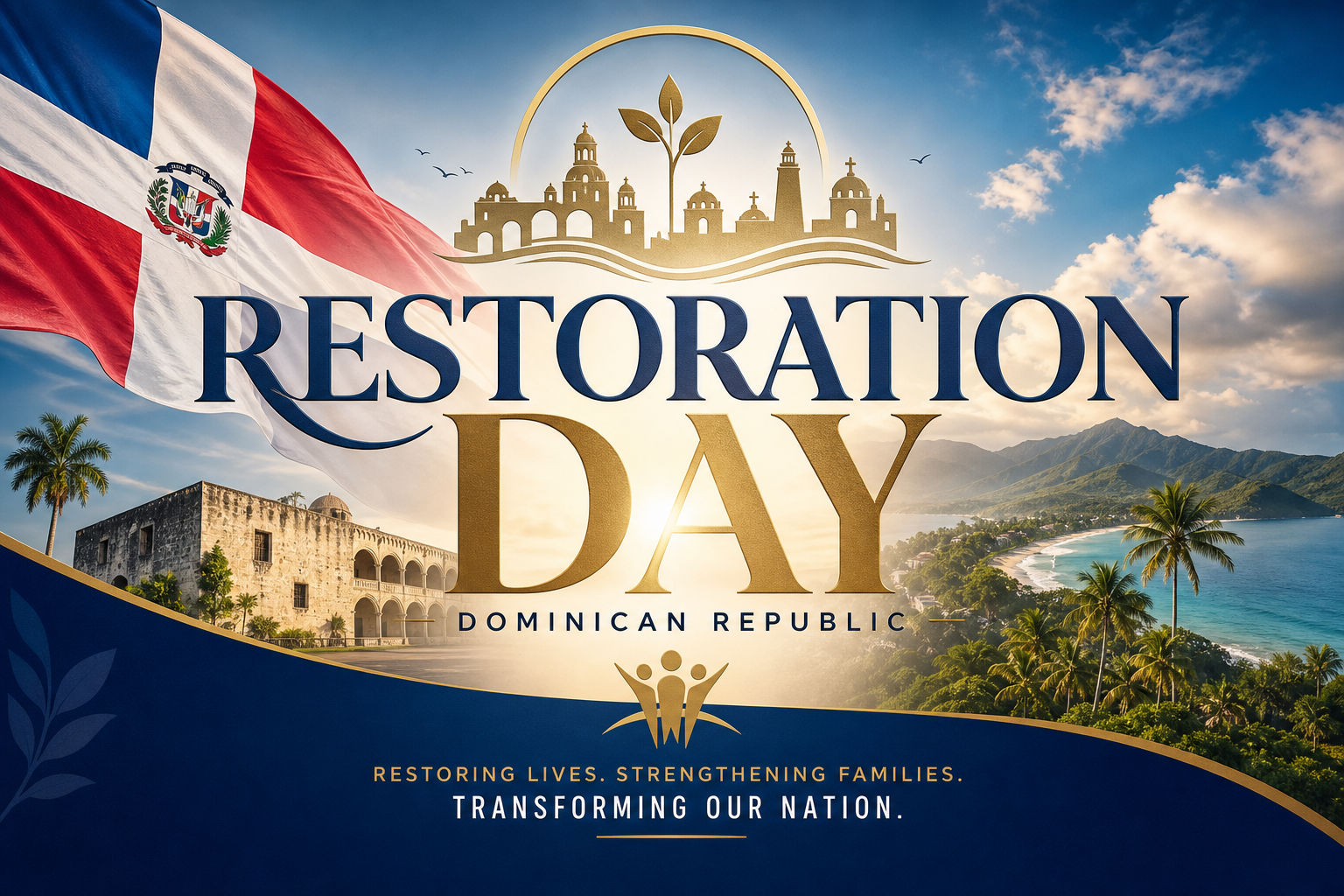
Restoration Day 2026: The Dominican Republic's Second Independence Celebration
On Sunday, August 16, 2026, the entire Dominican Republic celebrates Restoration Day — the national holiday that marks the beginning of the Dominican Restoration War in 1863 and commemorates the country's second independence from Spain. This is not just another public holiday on the calendar. It is the day Dominicans remember when they rose up together to reclaim their sovereignty, and it is celebrated with the same patriotic energy and cultural pride that defines the island's most important national celebrations.
Restoration Day is known in Spanish as El Día de la Restauración Dominicana, and it is one of the most meaningful national holidays in the Dominican Republic. If you're planning a trip to the Caribbean island in August 2026, this is the day that will show you the real Dominican Republic at its most patriotic and most alive.
What Is Restoration Day?
The Second Independence of the Dominican Republic
Restoration Day celebrates the beginning of the Dominican Restoration War, which started on August 16, 1863, when Dominican patriots led by Santiago Rodríguez and Gregorio Luperón launched a revolt against Spanish rule in the town of Capotillo.
This was not the Dominican Republic's first time fighting for independence. The country had already declared independence from Haiti in 1844, but history intervened in a dramatic way. In 1861, President Pedro Santana asked Spain to annex the Dominican Republic, returning the island to colonial rule just 17 years after independence. Many Dominicans were deeply unhappy with this decision.
The Restoration War lasted from August 16, 1863 to March 3, 1865. On that final date, Queen Isabella II of Spain signed an agreement ending the annexation, and the Dominican Republic was reborn as a free nation for the second time.
"The war ended with Spain's departure and the restoration of Dominican sovereignty."
August 16 was chosen as the date for the national holiday because it is the day the uprising began at Capotillo.
Why Restoration Day Matters Today
A Nation That Remembers How It Fought for Freedom
The Dominican Republic has something like 20 public holidays each year, but Restoration Day stands out for its historical weight and national significance:
- It is the only day in the Dominican Republic when the current president informs citizens of the country's achievements over the past year — a presidential address that is broadcast nationally and read in schools and newspapers.
- It is the day when the President of the Dominican Republic is traditionally sworn into office — a constitutional tradition that connects the ruling and the remembering.
- It is a time for patriotic celebrations, parades, speeches, and cultural events across the entire island.
- It is a day when Dominicans dress in elaborate costumes and march in street parades, especially in the two biggest celebration cities: Santo Domingo's Plaza España and Santiago — the city where the fight began.
The holiday is also known as the "second independence" of the Dominican Republic. The first independence was from Haiti in 1844. The second independence — the restoration of sovereignty from Spain — was won through the Restoration War that began on August 16, 1863.
Where to Experience Restoration Day 2026
The Best Cities for the Biggest Celebrations
The whole Dominican Republic celebrates Restoration Day, but some places deliver the most memorable experiences for visitors who want to see the holiday in action.
Santo Domingo (Plaza España):
The capital city and specifically Plaza España in the historic Zona Colonial is one of the two major celebration hubs on Restoration Day. The Plaza España is a colonial-era courtyard surrounded by historic buildings, located just steps from the first cathedral in the Americas and the Alcazar de Colon. The parades, music, and cultural performances here connect the 1863 fight for independence with the 500-year-old streets where the Spanish first arrived in the Americas.
The Zona Colonial itself is a UNESCO World Heritage Site. Walking these streets on Restoration Day is like stepping into a living history lesson — the same colonial architecture that once symbolized Spanish rule now frames the celebration of Dominican sovereignty.
Santiago de los Caballeros:
Santiago is the second-largest city in the Dominican Republic and the city where the Restoration War began. The fighting started at Capotillo, a town in the Santiago region, and the city carries that legacy as its own.
"If Santo Domingo is the political and cultural heart of modern Dominican Republic, Santiago is the patriotic soul of the island's independence story."
The celebrations in Santiago are deeply connected to the history of the war — the parades, the speeches, the flag-raising ceremonies all happen in the shadow of the Legacy of the Restoration fighters.
Punta Cana and Tourist Areas:
The major tourist zones — Punta Cana, Bávaro, and the resort areas along the east coast — celebrate Restoration Day with parties, dancing, and parades in typical Dominican Republic style. The celebrations here are more relaxed and more oriented toward visitors, but they still carry the authentic energy of the holiday. Expect beach bars to play merengue and bachata, resorts to host patriotic events, and local restaurants to celebrate with Dominican food and music.
Casa de Campo (La Romana):
The Casa de Campo resort area in La Romana celebrates Restoration Day with a special understanding of the holiday's meaning, as the island's most famous luxury resort community acknowledges the day when the Dominican Republic was reborn.
How Restoration Day Is Celebrated
Parades, Music, Flag-Waving, and the Energy of a Nation
The celebrations on Restoration Day are deeply rooted in Dominican culture and national identity. Here is what visitors can expect across the island on Sunday, August 16, 2026:
Street Parades:
- Dominicans dress in elaborate costumes and march through city streets and main avenues.
- The parades in Santo Domingo's Plaza España and Santiago are the biggest and most authentic.
- Participants carry Dominican flags, which are red, white, and blue, with the national coat of arms in the center.
- School groups, military units, and community organizations all participate in the parades.
Music and Dancing:
- Merengue and bachata — the Dominican Republic's two most iconic music genres — are played all day and night.
- Street parties, beach bars, and festive venues host dancing and live performances.
- Resorts and hotels in tourist areas organize special Restoration Day events with music and entertainment.
Patriotic Speeches and Presidential Address:
- The current president delivers a national address to the citizens, reporting achievements from the past year.
- The president is traditionally sworn into office on Restoration Day.
- Schools and government buildings hold ceremonies honouring the history of the Restoration War.
Cultural Events:
- Historical reenactments of the 1863 uprising at Capotillo.
- Exhibitions and museum events focused on the Restoration War and Gregorio Luperón and Santiago Rodríguez, the key figures.
- Educational activities in schools and community centres.
Food:
- Restoration Day is a day for Dominican food — dishes like sancocho (a hearty stew), mangu (mashed plantains), and chicharrón (fried pork) are served at family gatherings and public events.
- Puerto Plata and other coastal cities serve seafood and local specialties.
- Resorts and hotels serve Dominican-themed meals on the holiday.
Restoration Day 2026: What to Know for Your Visit
Date, Public Holiday Status, and Travel Tips
Date in 2026: Sunday, August 16, 2026
Public Holiday Status: Restoration Day is a national public holiday throughout the entire Dominican Republic — banks, government offices, many businesses, and some attractions are closed on the day.
Travel Considerations:
- Book accommodation early. August is a busy travel month for the Dominican Republic due to Hurricane season and the transportation of national events, and Restoration Day is a peak public holiday for the Dominican Republic.
- Expect closures. Some businesses close on Restoration Day, but hotels, resorts, and tourist restaurants in major tourist areas remain open.
- Transportation. Public transportation is limited on national holidays, but taxis and ride-sharing services like Uber operate in Santo Domingo and Santiago.
- Best time to visit. August 16, 2026 falls on a Sunday, which means that many Dominicans will have the entire weekend to celebrate — expect the parades and festivities to begin on Saturday and continue into the night on Sunday.
Best Areas to Stay:
- Zona Colonial (Santo Domingo): Historic, central, close to Plaza España celebrations, walking distance from the major historical sites of the Dominican Republic.
- Santiago: The city of the Restoration War, where the fight began, and a place where the celebrations are deeply connected to the island's history.
- Punta Cana / Bávaro: The most accessible tourist area, with the most resort infrastructure and the most relaxed celebration style.
- Casa de Campo (La Romana): For visitors seeking a more upscale, resort-based experience with genuine Dominican cultural programming.
Getting There:
- Las Américas International Airport (SDQ) in Santo Domingo is the main international gateway for the Dominican Republic, with direct flights from North America, Europe, and the Caribbean.
- Cibao International Airport (STI) in Santiago is the second-largest airport, serving the Cibao region and the Santiago celebrations.
- Punta Cana International Airport (PUJ) is the most popular gateway for the east coast tourist areas, with direct flights from many international destinations.
Dominican Republic Beyond the Holiday
Why August 2026 Is a Great Time to Visit the Island
The Dominican Republic is more than Restoration Day, and the island offers experiences that go far beyond the celebrations:
- Santo Domingo's Zona Colonial: 500-year-old streets, colonial architecture, and the birthplace of the Americas. Walk Calle Las Damas, visit Alcazar de Colon, and eat at the restaurants that have served the neighbourhood for decades.
- Punta Cana: Two hours east of Santo Domingo, Punta Cana is the Caribbean's most developed beach resort destination, with crystal-clear water and white sand that has made it one of the most visited spots in the entire Caribbean.
- Samana Peninsula: The Dominican Republic's most ecologically spectacular region, with humpback whale watching (January-March), the Las Galeras and Las Terrenas beaches, and a pace of life that is completely removed from the capital's urban energy.
- Puerto Plata: The north coast with its own beach culture, the world's best amber deposits, and the 19th-century colonial architecture of Puerto Plata city.
- Jarabacoa: The mountain town in the Cordillera Central where the air is cool, the rivers are fast, and whitewater rafting, hiking, and horseback riding replace beach relaxation with a completely different kind of Caribbean experience.
"The Dominican Republic is also one of the world's leading destinations for country music."
The island has hosted international country music festivals and concerts, including the Dominican Republic International Country Music Festival, and the music scene is a growing part of the island's cultural identity.
A Day That Shows the Real Dominican Republic
Restoration Day on Sunday, August 16, 2026 is one of the most meaningful and authentic national holidays in the Dominican Republic. It celebrates the country's second independence, remembers the patriots who fought at Capotillo in 1863, and brings the entire island together for 16 days of parades, music, and cultural celebration.
If you're looking for a trip that combines Caribbean relaxation with genuine cultural immersion, Restoration Day is the perfect entry point. The Dominican Republic is ready to welcome you — whether you're in Santo Domingo's Plaza España, Santiago's historic streets, or Punta Cana's beach resorts, the energy of the island on this day is impossible to miss.
Frequently Asked Questions
When is Restoration Day 2026 in the Dominican Republic?
Restoration Day in the Dominican Republic is celebrated on Sunday, August 16, 2026. It is a national public holiday observed annually on August 16, commemorating the beginning of the Dominican Restoration War in 1863.
What is Restoration Day in the Dominican Republic?
Restoration Day, known in Spanish as El Día de la Restauración Dominicana, is a national public holiday that commemorates the start of the Dominican Restoration War on August 16, 1863, when Dominican patriots led by Santiago Rodríguez and Gregorio Luperón launched a revolt against Spanish rule in Capotillo. The war ended on March 3, 1865, with the departure of Spain and the restoration of Dominican sovereignty.
Where are the biggest Restoration Day celebrations?
The two biggest celebrations are in Santo Domingo's Plaza España (in the Zona Colonial) and Santiago de los Caballeros — the city where the Restoration War began. The parades, music, and cultural performances are largest in these two cities, but all major tourist areas celebrate with parties, dancing, and parades.
Is Restoration Day a public holiday in the Dominican Republic?
Yes. Restoration Day is a national public holiday throughout the entire Dominican Republic. Banks, government offices, and many businesses are closed on August 16. Hotels, resorts, and tourist restaurants in major tourist areas remain open.
What happens on Restoration Day in the Dominican Republic?
On Restoration Day, Dominicans celebrate with street parades in elaborate costumes, patriotic speeches, music, dancing, and cultural events. The current president delivers a national address to citizens and traditionally is sworn into office on this day. Parades, music, and festive events are held across all major cities and tourist areas.
Verified Information at a Glance
- Event: Restoration Day (El Día de la Restauración Dominicana)
- Category: National Public Holiday / Historical Commemoration / Patriotic Celebration
- Date in 2026: Sunday, August 16, 2026
- Annual Date: August 16 (every year)
- Public Holiday Status: National holiday throughout the entire Dominican Republic
- Historical Event: Beginning of the Dominican Restoration War on August 16, 1863
- Key Figures: Santiago Rodríguez and Gregorio Luperón — leaders of the 1863 uprising at Capotillo
- War Duration: August 16, 1863 to March 3, 1865; ended with Spain's departure and restoration of Dominican sovereignty
- Historical Context: The second independence of the Dominican Republic (first was from Haiti in 1844; Spain annexed the country in 1861)
- Main Celebration Locations: Santo Domingo's Plaza España (Zona Colonial) and Santiago de los Caballeros
- Presidential Address: The current president informs citizens of achievements from the past year
- Presidential Inauguration: The President of the Dominican Republic is traditionally sworn into office on Restoration Day
- Celebration Features: Elaborate costume parades, street parades, music (merengue and bachata), dancing, patriotic speeches, cultural events, Dominican food, school ceremonies
- Gateway Airports: Las Américas International Airport (SDQ) Santo Domingo, Cibao International Airport (STI) Santiago, Punta Cana International Airport (PUJ)
- Best Accommodation Areas: Zona Colonial (Santo Domingo), Santiago, Punta Cana/Bávaro, Casa de Campo (La Romana)
- Sources: Office Holidays, SNO, Holidays Calendar, Calendarific, iExplore, Casa de Campo Living, Holidays-Info, Dominican Today, AnyDayGuide